9 out of 10 dog owners are feeding their dog the wrong food

Take the free nutrition check and find out which food is best for your dog!

Shelter manager, certified canine nutritionist, and lifelong dog lover
• Veterinary-focused nutrition: Royal Canin excels at therapeutic and prescription diets for dogs with allergies, digestive issues, kidney disease, and breed-specific health concerns, backed by clinical research and veterinary endorsement.
• Controversial ingredient shift: The 2024 switch to chicken by-product meal from chicken meal sparked customer complaints about palatability and digestive upset, while maintaining premium pricing despite perceived ingredient downgrade.
• Premium pricing without premium ingredients: At $3.30-$7.50 per pound, Royal Canin costs as much as ultra-premium brands but relies heavily on grains and by-products as primary ingredients.
• Strong palatability for picky eaters: Breed-specific formulas with customized kibble shapes consistently win over dogs that refuse other foods, earning 4.4/5 stars across major platforms.
• Limited appeal for healthy dogs: While excellent for medical needs, Royal Canin offers poor value for average, healthy dogs compared to competitors like Purina Pro Plan or fresh food brands.
Take the free nutrition check and find out in under 1 minute which food is best tailored to your dog!
Royal Canin sits at the intersection of veterinary science and everyday dog nutrition. Founded in 1968 by French veterinary surgeon Jean Cathary, the brand was built around solving real health problems through tailored nutrition. What started as a formula to treat dermatological issues in dogs has evolved into one of the most comprehensive pet food portfolios in the world, now owned by Mars Petcare.
The brand positions itself as science-driven and research-backed, emphasizing breed-specific formulas, life-stage nutrition, and veterinary-exclusive diets. Royal Canin operates 16+ production facilities globally, invests heavily in R&D, and maintains partnerships with veterinary professionals worldwide. Their approach is clinical and methodical—every kibble shape, every nutrient ratio, every supplement is presented as intentional and researched.
But that scientific rigor comes with trade-offs. Royal Canin uses ingredients like chicken by-product meal, corn, and rice as primary components, which raises eyebrows among owners who prioritize whole meats and grain-free diets. The brand defends these choices by pointing to digestibility and nutritional density, but the perception gap between “science-backed” and “premium ingredients” is real.
Reputation-wise, Royal Canin is widely recommended by veterinarians, particularly for therapeutic and prescription diets. It’s a go-to for dogs with allergies, digestive issues, weight problems, and breed-specific health concerns. Customer ratings average around 4.4 out of 5 across major platforms, with praise for palatability and visible health improvements, though price and recent formula changes have sparked criticism.
In 2025, Royal Canin launched its first Fresh Health Nutrition line, a gently cooked option that marks a significant shift after 55 years of focusing exclusively on kibble and wet food. This move signals the brand’s attempt to stay relevant as fresh and minimally processed foods gain traction, though early reviews have been mixed.
Royal Canin’s protein strategy centers on chicken by-product meal, a shift that began rolling out in 2024 and has become standard across most of their dry food lines. Previously, many formulas used chicken meal, which is generally viewed more favorably by consumers. By-product meal includes organs, necks, wings, and bones—nutritionally dense, but less appealing on a label.
The company justifies this by emphasizing that by-products are not inherently inferior. Organs like liver and heart are rich in vitamins and amino acids, and the nutritional profile can meet or exceed that of muscle meat alone. However, the lack of transparency about sourcing and the broad definition of “by-products” leaves room for skepticism.
Protein percentages in Royal Canin dry foods typically range from 22% to 28%, which is moderate compared to premium brands that often push 30% or higher. Hydrolyzed protein formulas, used in allergy and gastrointestinal diets, break proteins down into smaller peptides to reduce immune reactions, and these have solid clinical backing.
Carbohydrates dominate Royal Canin’s ingredient lists, with rice, corn, and wheat appearing frequently as top ingredients. In the new Fresh Health Nutrition line, rice is literally the first ingredient, ahead of chicken. This is unusual for a premium product and has drawn criticism from owners who expect meat-first formulations.
Royal Canin defends grain inclusion by pointing to digestibility and the fact that grains provide essential nutrients and energy. For dogs without grain allergies or sensitivities, this approach is nutritionally sound. But for those seeking grain-free or low-carb options, Royal Canin offers limited choices, especially after discontinuing several grain-free lines in response to the FDA’s DCM investigation.
Fiber sources like beet pulp are also common, serving as prebiotics to support gut health. While beet pulp is functional and well-tolerated by most dogs, it’s often viewed as a filler ingredient by consumers looking for whole-food alternatives.
Fat content ranges from 12% to 18% in most dry formulas, with chicken fat and fish oil as primary sources. These provide omega-3 and omega-6 fatty acids, which support skin, coat, and cognitive function. The inclusion of fish oil is a plus, as it’s a reliable source of EPA and DHA.
However, the quality and sourcing of these fats aren’t detailed on packaging or the website. You’re told what’s in the food, but not where it comes from or how it’s processed, which limits transparency.
Royal Canin formulas are heavily supplemented with synthetic vitamins and minerals to meet AAFCO standards. This is standard practice in commercial pet food, but it does mean you’re relying on fortification rather than ingredient diversity to deliver complete nutrition.
Functional additives include glucosamine and chondroitin for joint support, prebiotics like fructooligosaccharides for gut health, and antioxidants like mixed tocopherols and vitamin E. These are beneficial, though the exact dosages aren’t published, making it hard to assess whether they’re clinically effective or just marketing additions.
The shift to chicken by-product meal is the most contentious recent change. While nutritionally defensible, it’s perceived as a downgrade, especially without a corresponding price reduction. Some owners report their dogs developed digestive issues or refused to eat the new formulas, though it’s unclear if this is due to the protein source itself or other formula adjustments.
Corn and wheat are also polarizing. They’re affordable, digestible, and nutrient-dense, but they’re common allergens for some dogs and are often seen as “cheap fillers” in the premium pet food space. Royal Canin’s reliance on these grains puts it at odds with the clean-label, whole-food trend that’s reshaping the industry.
| Price per pound | $3.30 – $7.50 |
| Primary protein | Chicken by-product meal |
| By-products | Yes (primary ingredient in most formulas) |
| AAFCO compliance | Yes (feeding trials status unclear) |
| Formula options | Extensive (breed-specific, life stage, veterinary diets, Fresh line) |
| Availability | Pet stores, veterinary clinics, online retailers |
Take the free nutrition check and find out in under 1 minute which food is best tailored to your dog!
In just 60 seconds, find out which food fits your dog best — for free.
Royal Canin’s dry foods typically deliver 25–29% protein, 12–16% fat, and 44–46% carbohydrates on an as-fed basis. This is a balanced profile that meets AAFCO standards, but it’s not particularly high in protein compared to brands like Orijen or Acana, which often exceed 35% protein.
Veterinary diets skew lower in protein and fat, especially formulas designed for kidney or gastrointestinal issues. For example, the GI Low Fat diet contains around 20–24% protein and just 5–6% fat, which is appropriate for dogs with pancreatitis or IBD but wouldn’t suit an active, healthy dog.
Caloric density ranges from 3,000 to 3,850 kcal/kg, which is moderate. This makes Royal Canin suitable for maintaining weight in most dogs, though active or working dogs may need larger portions or a higher-calorie formula.
Micronutrient profiles are comprehensive, with all essential vitamins and minerals present. B-complex vitamins, vitamin A, D3, and chelated minerals like zinc and copper are standard. Fish oil provides omega-3s, and antioxidants like vitamin E and selenium are included for immune support.
Breed-specific and size-specific formulas add targeted nutrients. For example, large breed formulas include higher levels of glucosamine and chondroitin for joint health, while small breed formulas focus on energy density and dental health. These tailored additions are where Royal Canin’s scientific approach shines.
All Royal Canin products meet AAFCO nutritional standards, but it’s not clear whether this is achieved through formulation alone or through feeding trials. Feeding trials are considered more reliable because they involve real dogs and monitor health outcomes, but Royal Canin doesn’t publicly disclose which products have undergone this testing.
Royal Canin excels for dogs with specific health needs or breed-related concerns. If your dog has food allergies, chronic diarrhea, urinary stones, kidney disease, or obesity, Royal Canin’s veterinary diets are among the most effective options available. These formulas are clinically tested and widely trusted by veterinarians.
The brand is also a strong choice for picky eaters. Breed-specific formulas with tailored kibble shapes and palatability enhancements often win over dogs that refuse other foods. Puppies, especially those from breeds prone to joint or digestive issues, benefit from Royal Canin’s targeted nutrition.
Dogs with sensitive stomachs often do well on Royal Canin’s digestive health formulas, which use highly digestible proteins and prebiotics. The moderate fat content and inclusion of beet pulp support gut health without overwhelming the system.
If you’re looking for a meat-first, grain-free, or minimally processed diet, Royal Canin isn’t the right fit. The heavy reliance on grains and by-product meals doesn’t align with the clean-label, whole-food philosophy that many premium brands now emphasize.
Dogs with grain allergies or sensitivities should approach with caution. While Royal Canin offers hydrolyzed protein diets for allergies, most of their standard formulas contain corn, wheat, or rice. If your dog has a confirmed grain intolerance, you’ll need to stick to their limited specialty options or look elsewhere.
Budget-conscious owners may also find Royal Canin hard to justify. At $3.50 to $7.50 per pound, it’s priced like a premium brand, but the ingredient list doesn’t always reflect that premium positioning. If price is a major concern, you might get better value from brands like Purina Pro Plan or even dog food from Aldi for basic needs.
Royal Canin offers extensive life-stage coverage. Puppy formulas support growth and development with higher protein and fat, plus DHA for brain and eye health. Adult formulas focus on maintenance, with options for weight control, digestive support, and breed-specific needs. Senior formulas reduce calories and add joint support, antioxidants, and nutrients for cognitive health.
For most dogs, Royal Canin’s life-stage approach is well-calibrated. The main limitation is that you’re locked into their system—if you want to mix brands or rotate proteins, Royal Canin’s ingredient profile may not blend well with more meat-forward options.
Royal Canin scores high on palatability, especially for picky eaters. Breed-specific formulas with customized kibble shapes and textures are designed to encourage chewing and slow eating, and many owners report immediate acceptance. Puppy formulas, in particular, are praised for their appeal.
However, the recent formula changes have introduced some inconsistency. A small but vocal group of owners report their dogs suddenly refused food after switching to the new by-product meal formulas. Whether this is due to taste, smell, or texture changes isn’t clear, but it’s a recurring complaint.
Royal Canin doesn’t prioritize flavor variety the way some brands do. Most formulas are poultry-based, with limited options for beef, pork, or fish. This is a drawback if your dog needs protein rotation for allergy management or simply gets bored with the same flavor.
The Fresh Health Nutrition line offers some variety—chicken, pork, and beef—but the selection is still narrow compared to competitors like Nom Nom or The Farmer’s Dog, which offer rotating menus and multiple protein options.
For kibble, Royal Canin is straightforward. The kibble size and shape vary by formula, which is helpful for small breeds or dogs with dental issues. Wet food comes in cans and pouches, with pâté as the primary texture. The Fresh line requires freezer space and thawing, which adds a step but is manageable for most households.
One practical benefit is that Royal Canin provides clear feeding guidelines based on weight and activity level. The precision takes some of the guesswork out of portioning, which is especially helpful for weight management.
Take the free nutrition check and find out in under 1 minute which food is best tailored to your dog!
In just 60 seconds, find out which food fits your dog best — for free.
Royal Canin’s pricing puts it firmly in the premium category, though not at the very top. Dry food ranges from $3.30 to $7.50 per pound, with veterinary diets and the Fresh line at the higher end. For a 30-pound dog, daily feeding costs on a standard adult formula run around $2.13, while a hydrolyzed protein diet could hit $4.90 per day.
Compared to competitors, Royal Canin is more expensive than Purina Pro Plan ($2.60–$3.60/lb) and roughly on par with Hill’s Science Diet ($2.80–$4.00/lb). It’s cheaper than ultra-premium brands like Orijen ($5+/lb) but doesn’t offer the same ingredient quality.
If you’re paying for veterinary expertise and targeted nutrition, Royal Canin delivers. The breed-specific formulas, prescription diets, and clinical research justify the cost for dogs with specific health needs. For a Labrador prone to obesity and joint issues, the tailored formula could save you money on vet bills down the line.
But for a healthy, average dog with no special requirements, the value proposition weakens. You’re paying premium prices for a formula that’s heavy on grains and by-products, which doesn’t align with what most owners expect at this price point. Brands like The Farmer’s Dog or Ollie cost more but deliver human-grade, fresh ingredients that feel more premium.
Most online retailers offer 5–10% discounts for autoship subscriptions, which helps offset the cost. Buying larger bags also reduces the per-pound price, though not dramatically. Veterinary diets sometimes come with promotional discounts through vet offices, so it’s worth asking.
Royal Canin operates 16+ production facilities worldwide, including major plants in Ohio, Missouri, South Dakota, France, Poland, South Korea, and Brazil. The Lewisburg, Ohio facility, which opened in 2023, is LEED Silver certified and represents a $450 million investment in advanced manufacturing.
The global footprint means Royal Canin can source locally for many ingredients, which supports freshness and traceability. However, the company doesn’t publish detailed supplier lists or batch-level sourcing information, which limits transparency.
Royal Canin claims to follow rigorous quality control protocols, including HACCP-style critical control points and regular lab testing. Some facilities, like the one in Poland, have in-house labs for real-time ingredient verification. The brand meets AAFCO standards and is subject to FDA oversight in the U.S.
Despite this, specific certification numbers and audit results aren’t publicly available. You’re told the systems are in place, but you can’t verify the details. This is standard for many pet food brands, but it’s a gap for owners who want full transparency.
Royal Canin has a clean recall record in recent years. There have been no major recalls since 2009, which is a strong indicator of consistent quality control. Small-batch recalls have occurred occasionally, typically due to contamination risk, but these were handled promptly and didn’t result in widespread illness or injury.
This track record is reassuring, especially compared to brands like Hill’s, which faced a significant recall in 2019 due to elevated vitamin D levels.
Royal Canin has made strides in sustainability, particularly through its newer facilities. The Ohio plant is LEED Silver certified, which means it meets high standards for energy efficiency, water use, and waste reduction. Mars Petcare, Royal Canin’s parent company, has committed to net-zero emissions by 2050.
However, packaging remains a weak point. Kibble bags are multilayer plastic and paper, which aren’t easily recyclable. Wet food cans are aluminum and recyclable, but pouches are not. The Fresh line uses plastic pouches, which also aren’t recyclable in most areas.
Royal Canin sources ingredients globally, prioritizing proximity to production facilities. The company emphasizes supplier audits and compliance with Mars Petcare’s safety standards, but detailed sourcing information isn’t public. You’re told the ingredients meet quality standards, but you can’t trace a specific batch of chicken back to its farm.
Animal welfare policies are in place, and Royal Canin states it doesn’t conduct invasive animal testing. Research is primarily observational or conducted through partnerships with veterinary clinics and breeders.
Mars publishes annual CSR and sustainability reports, which cover Royal Canin’s operations. The company supports animal welfare organizations and has committed to improving traceability and transparency over time. However, past environmental violations, such as a Clean Water Act fine for the Rolla, Missouri plant in 2005, are part of the brand’s history.
I work at a local dog shelter, where we regularly test different foods to see how they perform with a variety of dogs. For this review, I tried Royal Canin’s Medium Adult formula with a dog named Chester, a four-year-old mixed breed—probably part Labrador, part something shorter and stockier. Chester came to us a few months ago after his owner passed away. He’s a steady, easygoing dog with no major health issues, though he’s a bit on the chunky side and could stand to lose a few pounds. He’s not a picky eater, but he’s also not one of those dogs that inhales anything you put in front of him. He takes his time.
We switched Chester to Royal Canin gradually over about a week, mixing it with his previous food (a mid-range kibble we use as a baseline). He didn’t seem to notice the change at first—no excitement, no refusal, just his usual methodical eating. By the end of the transition, he was eating Royal Canin on its own without any hesitation.
In terms of taste and acceptance, Chester seemed fine with it. He finished his meals at a normal pace and didn’t leave kibble in the bowl, which is always a good sign. The kibble size was appropriate for him—not too small, not too large—and he didn’t have any trouble chewing it.
Over the three weeks we fed him Royal Canin, I didn’t notice dramatic changes, but there were a few subtle improvements. His stools were consistently firm and well-formed, which is always helpful in a shelter setting where we’re monitoring multiple dogs. His coat didn’t suddenly become shinier, but it looked healthy and felt smooth when I brushed him. Energy-wise, Chester stayed the same—calm, friendly, and happy to go for walks but not bouncing off the walls.
One thing I did notice was that he seemed satisfied after meals. Some dogs act like they’re still starving even after eating, but Chester would walk away from his bowl and settle down without begging or scavenging. That could be his personality, or it could be that the food was filling enough to keep him content.
Honestly, Royal Canin didn’t revolutionize Chester’s life, but it also didn’t cause any problems. He ate it willingly, digested it well, and maintained his routine without any hiccups. For a dog like him—healthy, stable, and not dealing with allergies or sensitivities—it was a solid, reliable option. If I were adopting Chester myself, I’d feel comfortable keeping him on Royal Canin, though I’d probably look into their weight management formula to help him trim down a bit.
Take the free nutrition check and find out in under 1 minute which food is best tailored to your dog!
In just 60 seconds, find out which food fits your dog best — for free.
Across major platforms like Chewy, Amazon, and Petco, Royal Canin averages around 4.4 out of 5 stars, with particularly high marks for palatability and digestive health. Around 74% of positive reviews mention that dogs “love” the food, with breed-specific formulas earning especially strong praise. Owners of picky eaters frequently report success after switching to Royal Canin, often noting that their dogs ate enthusiastically for the first time in months.
Health improvements are another common theme. About 24% of reviewers mention shinier coats within a few weeks, while 28% praise firmer, more consistent stools. Owners of dogs with sensitive stomachs or allergies often share success stories, particularly with hydrolyzed protein and gastrointestinal formulas. One owner wrote, “My German Shepherd has had sensitive digestion for years. Royal Canin’s Sensitive line fixed it in weeks.”
Energy and vitality improvements are noted in about 17% of reviews, especially for puppy and active adult lines. Weight management formulas also receive high marks, with 81% of users reporting success in helping their dogs lose weight or maintain a healthy body condition.
Price is the most consistent complaint, mentioned in about 36% of reviews. Owners acknowledge the quality but struggle with the cost, especially as prices have increased 8–15% between 2023 and 2025. One user commented, “Our bill doubled this year; switching despite loving results due to price.”
Formula changes have also sparked frustration. Around 3–4% of reviewers report their dogs suddenly refused food after a recipe update, particularly the shift to chicken by-product meal. Some owners noticed digestive upset or changes in stool quality after the switch. One long-time customer wrote, “They changed the recipe and now our dog won’t touch it. Been a 10-year customer—so disappointed.”
Palatability issues, while less common, do occur. About 6% of dogs refuse Royal Canin outright, with certain veterinary lines—especially those with fish or hydrolyzed proteins—seeing higher refusal rates among picky eaters. Digestive problems like diarrhea or vomiting are reported in about 5% of reviews, often linked to sudden switches or formula changes.
Long-term users often emphasize consistency and reliability. Dogs that tolerate Royal Canin well tend to stay on it for years, with owners reporting stable health, steady weight, and minimal digestive issues. However, some note that their dogs eventually grew bored or stopped eating the food after months or years, which may reflect the limited flavor variety.
Veterinary diet users are particularly loyal, with many reporting that Royal Canin’s prescription formulas effectively managed chronic conditions like kidney disease, urinary stones, or food allergies. These owners are willing to pay the premium because the alternative—frequent vet visits and medications—costs more in the long run.
Both brands are veterinary favorites, but Hill’s tends to use more whole proteins like chicken meal and lamb meal, while Royal Canin relies more heavily on by-products. Hill’s is slightly cheaper on average ($2.80–$4.00/lb vs. $3.30–$7.50/lb), and some owners find Hill’s more palatable for picky eaters. However, Royal Canin offers more breed-specific options and a broader range of prescription diets.
Purina Pro Plan is more affordable ($2.60–$3.60/lb) and often features real meat as the first ingredient, which appeals to owners looking for better ingredient transparency. Pro Plan also offers a wider variety of flavors and grain-free options. Royal Canin counters with stronger veterinary endorsement and more targeted formulas for specific breeds and health conditions.
Orijen is meat-first and grain-free, with protein levels often exceeding 35%. It’s positioned as a biologically appropriate diet, which appeals to owners seeking a more natural approach. However, Orijen is significantly more expensive ($5+/lb) and may be too rich for dogs with sensitive stomachs. Royal Canin is more accessible for dogs that need moderate protein and fat, and it’s better suited for medical diets.
Brands like Nom Nom, Spot & Tango, and The Pets Table offer human-grade, gently cooked meals with transparent sourcing and minimal processing. These options feel more premium and align with the clean-label trend, but they’re also more expensive and require freezer space. Royal Canin’s new Fresh Health Nutrition line is an attempt to compete, but the rice-first ingredient list and feed-grade status put it behind the leaders in this category.
Take the free nutrition check and find out in under 1 minute which food is best tailored to your dog!
In just 60 seconds, find out which food fits your dog best — for free.
Royal Canin is best suited for dogs with specific health needs, breed-related concerns, or picky eating habits. If your dog has food allergies, chronic digestive issues, kidney disease, urinary problems, or obesity, Royal Canin’s veterinary diets are among the most effective and widely trusted options available. These formulas are clinically tested, veterinarian-recommended, and designed to manage or improve specific conditions.
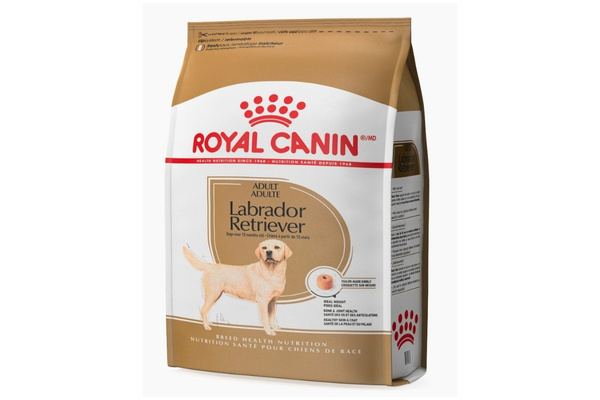
The brand also excels for puppies and senior dogs, particularly those from breeds prone to joint, digestive, or skin issues. Breed-specific formulas for Labradors, German Shepherds, Bulldogs, and other popular breeds offer tailored nutrition that addresses common health risks. For example, a Labrador Retriever formula includes joint support and controlled calories to manage weight, while a Chihuahua formula uses tiny kibble and supports dental health.
Royal Canin works well for dogs with sensitive stomachs that need highly digestible proteins and prebiotics. The moderate fat content and inclusion of ingredients like beet pulp support gut health without overwhelming the system. Picky eaters often respond well to Royal Canin’s palatability enhancements, especially in breed-specific and puppy formulas.
However, Royal Canin is not the best choice for dogs that need a meat-first, grain-free, or minimally processed diet. If your dog has a confirmed grain allergy or sensitivity, you’ll need to stick to Royal Canin’s limited specialty options or explore other brands. Budget-conscious owners may also find better value elsewhere, as Royal Canin’s premium pricing doesn’t always align with the ingredient quality.
Royal Canin is a solid, science-backed option for dogs with specific health needs or breed-related concerns, but it’s not a standout choice for healthy, average dogs. If your dog has allergies, digestive issues, kidney disease, or obesity, Royal Canin’s veterinary diets are among the best available. The clinical research, veterinary endorsement, and targeted formulations justify the premium price in those cases, and many owners report significant improvements in their dogs’ health and quality of life.
For picky eaters or dogs that need breed-specific nutrition, Royal Canin also delivers. The palatability is strong, and the tailored approach—whether it’s kibble shape, nutrient ratios, or functional ingredients—often makes a noticeable difference. If you’ve struggled to find a food your dog will eat consistently, Royal Canin is worth trying.
But for a healthy dog with no special requirements, I think Royal Canin is overpriced for what you get. The ingredient list is dominated by grains and by-product meals, which doesn’t align with what I’d expect at this price point. Brands like Purina Pro Plan offer better value with more transparent protein sources, while fresh food options like The Farmer’s Dog or Ollie deliver genuinely premium ingredients for not much more money. If you’re paying $4–$7 per pound, I’d want to see whole meats, limited grains, and clearer sourcing.
The recent formula changes are also concerning. Switching to chicken by-product meal without reducing prices feels like a cost-cutting move, and the complaints about palatability and digestive upset suggest the change didn’t land well with dogs or owners. Royal Canin’s reputation is built on consistency and trust, and moves like this erode that foundation.
Would I buy this for my dog? If my dog had a chronic health issue or was a picky eater with breed-specific needs, yes—I’d trust Royal Canin’s veterinary diets and targeted formulas. But for a healthy, average dog, I’d look elsewhere. There are better options at this price point, whether you’re prioritizing ingredient quality, value, or transparency. Royal Canin is good at what it does, but what it does best is serve dogs with specific medical or behavioral needs, not everyday nutrition for the average pet.
Take the free nutrition check and find out in under 1 minute which food is best tailored to your dog!
In just 60 seconds, find out which food fits your dog best — for free.
Royal Canin began transitioning to chicken by-product meal in 2024, replacing chicken meal in many formulas. The company defends this change by emphasizing that by-products include nutrient-dense organs like liver and heart, which can provide superior nutrition compared to muscle meat alone. However, many owners perceive this as a downgrade, especially since the price wasn’t reduced. Some dogs have also experienced palatability or digestive issues after the switch, though it’s unclear if this is directly related to the protein source or other formula adjustments.
Royal Canin’s value depends on your dog’s specific needs. For dogs with health issues, allergies, or breed-specific concerns, the clinical research and veterinary endorsement justify the $3.30 to $7.50 per pound cost. The prescription diets are particularly effective for managing chronic conditions. However, for healthy, average dogs, the ingredient list dominated by grains and by-products doesn’t align with premium pricing. Brands like Purina Pro Plan offer better value for basic nutrition, while fresh food options provide genuinely premium ingredients for not much more money.
Veterinary diets are prescription formulas designed to manage specific health conditions like kidney disease, urinary stones, food allergies, or gastrointestinal issues. These require a vet’s recommendation and are clinically tested for therapeutic purposes. Regular Royal Canin formulas focus on life-stage and breed-specific nutrition for healthy dogs. The vet diets typically have modified protein, fat, or mineral levels and may include specialized ingredients like hydrolyzed proteins for allergies.
Breed-specific formulas address common health risks and physical characteristics of particular breeds. For example, Labrador formulas include joint support and controlled calories for weight management, while Bulldog formulas have specially shaped kibble for easier eating. While not essential for every dog, these targeted nutrients can be beneficial if your dog is prone to breed-typical issues. However, a high-quality all-breed formula often provides similar nutrition at a lower cost.
Royal Canin includes grains because they’re digestible, provide essential nutrients and energy, and are cost-effective protein sources. The company argues that grains aren’t inherently bad—they’re only problematic for dogs with specific grain allergies or sensitivities. However, this approach puts Royal Canin at odds with the clean-label, meat-first trend in premium pet food. If your dog tolerates grains well, they’re nutritionally acceptable, but many owners expect more meat-focused formulas at this price point.
Both brands are veterinary favorites with strong clinical backing. Hill’s tends to use more whole proteins like chicken meal and lamb meal, while Royal Canin relies more on by-products. Hill’s is generally cheaper ($2.80–$4.00/lb vs. $3.30–$7.50/lb), but Royal Canin offers more breed-specific options and a broader range of prescription diets. In terms of palatability, experiences vary, though Royal Canin’s breed-specific formulas often appeal to picky eaters.
Launched in 2025, this is Royal Canin’s first foray into gently cooked, fresh dog food after 55+ years of focusing on kibble. The line offers chicken, pork, and beef options but has received mixed reviews. The main criticism is that rice is listed as the first ingredient, ahead of meat, which is unusual for a premium fresh food. While it’s more convenient than brands requiring freezer space, it doesn’t match the human-grade, transparent sourcing of leading fresh food competitors.
Royal Canin has a clean recall record in recent years, with no major recalls since 2009. This is reassuring compared to some competitors that have faced contamination or formulation issues. The brand operates 16+ production facilities globally with quality control protocols, though specific certification details aren’t publicly available. While occasional small-batch recalls have occurred due to contamination risk, they were handled promptly without widespread health issues.
Some dogs have refused Royal Canin after recent formula changes, particularly the switch to chicken by-product meal. This could be due to changes in taste, smell, or texture, though the exact cause isn’t clear. If your dog previously enjoyed Royal Canin but suddenly refuses it, try transitioning gradually or contact Royal Canin customer service—they often provide free samples of different formulas. Some owners have had success switching to a different Royal Canin formula within the same line.
Royal Canin’s puppy formulas are well-regarded, especially for breed-specific nutrition and picky eaters. They include DHA for brain and eye development, higher protein and fat for growth, and digestible ingredients for developing systems. The palatability is strong, and many puppies transition easily. However, if you’re looking for meat-first nutrition or plan to rotate proteins, you might prefer brands with more transparent ingredient lists and greater variety. Royal Canin works well if your puppy has specific breed-related needs or digestive sensitivities.
Take the free nutrition check and find out in under 1 minute which food is best tailored to your dog!
In just 60 seconds, find out which food fits your dog best — for free.
9 out of 10 dog owners are feeding their dog the wrong food.
Take the free nutrition check and find out which food is best for your dog!
2,847+ dog owners already did