9 out of 10 dog owners are feeding their dog the wrong food

Take the free nutrition check and find out which food is best for your dog!

Shelter manager, certified canine nutritionist, and lifelong dog lover
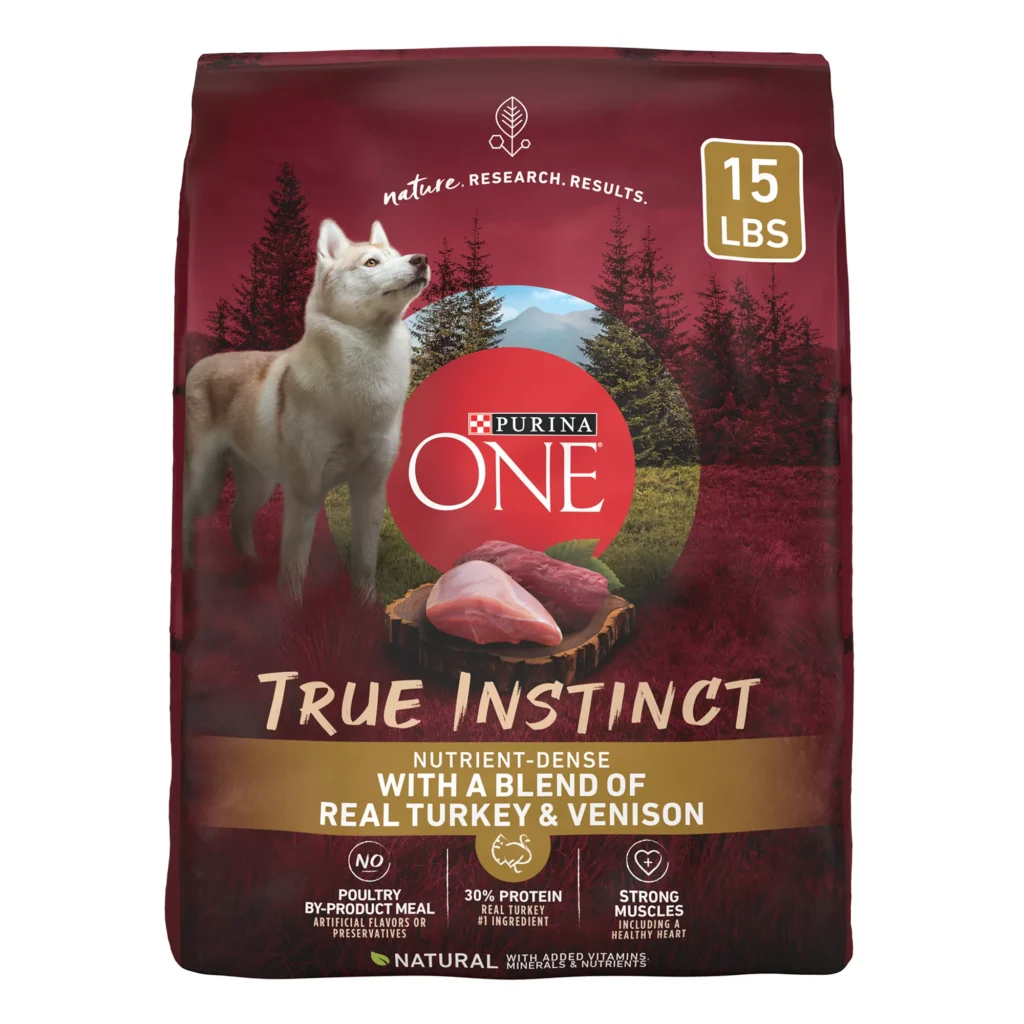
• Turkey leads as first ingredient with chicken meal providing concentrated protein, but venison appears much lower on the list despite prominent marketing placement.
• Grain-inclusive formula contains corn, wheat, and soy, making it unsuitable for dogs with sensitivities but offering good value at $2.05 per 1,000 kcal.
• Customers consistently report high palatability and coat improvements, with 87% giving five-star ratings across major retailers like Chewy and Petsense.
• Clean recent safety record for dry kibble with manufacturing in established U.S. facilities, though transparency around ingredient sourcing remains limited.
• Delivers 34% protein and 19% fat on dry matter basis with natural glucosamine inclusion, outperforming grain-free competitors nutritionally at significantly lower cost.
Take the free nutrition check and find out in under 1 minute which food is best tailored to your dog!
Turkey takes the top spot on the ingredient list, which is a solid start. Real, named meat as the first ingredient is what you want to see, and turkey provides high-quality animal protein that’s relatively easy to digest. Right behind it, you’ll find chicken meal—a concentrated protein source that’s actually more protein-dense than fresh meat because the moisture has been removed during processing.
Venison appears further down the list, around the twelfth position. While the product name highlights venison prominently, the reality is that it’s present in smaller quantities compared to turkey and chicken. That’s not necessarily a dealbreaker—venison still contributes novel protein variety and adds flavor—but if you’re specifically seeking venison as a primary protein for allergy management, this formula won’t deliver that.
The combination of turkey, chicken meal, and venison brings the total protein content to a respectable 30% as-fed (34% on a dry matter basis), which exceeds AAFCO minimums and supports muscle maintenance for active adult dogs.
After the protein sources, you’ll encounter a lineup of grains and plant-based proteins: corn gluten meal, soy flour, whole grain wheat, whole grain corn, rice flour, corn germ meal, soy flakes, and oat meal. These ingredients serve multiple purposes—they provide energy through carbohydrates, contribute plant-based protein, and help bind the kibble together during manufacturing.
Here’s where opinions split. From a nutritional standpoint, these ingredients meet AAFCO standards and provide digestible energy for most dogs. Corn gluten meal, for instance, is a concentrated protein source that boosts the overall protein percentage. Whole grains like wheat and oats deliver fiber and B vitamins. But if your dog has sensitivities to corn, wheat, or soy, this formula is clearly not the right choice.
The carbohydrate content works out to roughly 39% on a dry matter basis—moderate for a kibble in this price range. It’s neither exceptionally low-carb nor carb-heavy, making it suitable for dogs with average activity levels who tolerate grains well.
Beef fat, preserved with mixed tocopherols (a natural form of vitamin E), provides the primary fat source. At 17% as-fed (19% dry matter basis), the fat content sits comfortably in the moderate range, supporting skin and coat health while delivering essential fatty acids. Linoleic acid, a key omega-6 fatty acid, is guaranteed at a minimum of 1.6%.
Liver flavor appears mid-list as a palatability enhancer. It’s a natural flavoring derived from animal tissue, and it does its job—customer reviews consistently mention that dogs find this kibble highly palatable. Glycerin, another ingredient present, helps retain moisture and texture in the kibble.
Two ingredients warrant closer attention. Menadione sodium bisulfite complex, a synthetic form of vitamin K, has sparked debate in the pet food community. While it’s approved for use and provides an essential nutrient, some nutritionists prefer natural vitamin K sources due to concerns about potential liver stress at high doses. In the quantities used here, it meets regulatory standards, but it’s worth noting if you prefer formulas that avoid synthetic vitamins entirely.
Caramel color is added purely for visual appeal—it makes the kibble look more appetizing to humans. Your dog doesn’t care what color their food is, so this ingredient serves no nutritional purpose. It’s considered safe at the levels used in pet food, but it’s an unnecessary addition that some owners would prefer to avoid.
| Price per pound | $1.92 |
| Primary protein | Turkey, Chicken Meal, Venison |
| By-products | None mentioned |
| AAFCO compliance | Yes (adult maintenance) |
| Formula options | True Instinct line (multiple protein options) |
| Availability | Widely available at most retailers |
Take the free nutrition check and find out in under 1 minute which food is best tailored to your dog!
In just 60 seconds, find out which food fits your dog best — for free.
On a dry matter basis, Purina ONE True Instinct delivers 34% protein, 19% fat, and approximately 39% carbohydrates. This puts it in the moderate-protein, moderate-fat category—a profile that works well for the average adult dog with normal activity levels.
The protein level exceeds AAFCO’s adult maintenance minimum of roughly 18% (as-fed) by a comfortable margin, providing adequate amino acids for muscle maintenance and repair. The fat content supports energy needs and coat condition without pushing into the high-fat territory that might cause digestive upset in less active dogs.
Fiber sits at 3% as-fed (3.4% dry matter), which is on the lower end. This typically means smaller, firmer stools—a practical benefit many owners appreciate during cleanup. Dogs with sensitive digestion or those prone to constipation might need a formula with higher fiber, but for most dogs, this level works fine.
The formula includes a comprehensive vitamin and mineral premix that covers all the essentials: vitamins A, D, E, K, and the full B-complex suite, along with minerals like zinc, iron, manganese, copper, calcium, and selenium. These meet AAFCO requirements and ensure your dog gets baseline micronutrition.
What’s particularly interesting is the inclusion of glucosamine from natural sources (turkey and chicken meal). While the exact amount isn’t specified, glucosamine supports joint health and cartilage maintenance—a thoughtful addition for adult dogs, especially as they age. Four sources of antioxidants are also included, though again, specific levels aren’t disclosed. Antioxidants help combat cellular damage and support immune function.
One notable absence: the formula doesn’t specify omega-3 fatty acid content beyond linoleic acid (an omega-6). EPA and DHA from fish sources would round out the fatty acid profile more completely, particularly for anti-inflammatory benefits. This isn’t a critical flaw, but it’s a limitation compared to premium formulas that highlight omega-3 content.
The kibble delivers approximately 366 kcal per 100 grams. This is a moderate energy density—not as calorie-packed as high-performance or puppy formulas, but sufficient for adult dogs with average activity. If your dog is highly active or working, you may need to feed slightly larger portions; conversely, less active or senior dogs may need smaller servings to avoid weight gain.
Unfortunately, Purina doesn’t publish detailed feeding guidelines or per-cup calorie counts for this specific formula on readily accessible platforms, which makes it harder to calculate precise daily portions without contacting customer service or consulting your vet. As a rough guide, most adult dogs will need between 1 to 3 cups per day depending on size and activity, but individual needs vary.
This formula shines for adult dogs with no grain or poultry sensitivities who need a balanced, affordable diet. If your dog is active, enjoys variety in protein sources, and has a healthy digestive system, Purina ONE True Instinct offers solid nutrition without the premium price tag.
It’s also a good fit for households with multiple dogs where feeding costs add up quickly. The larger bag sizes (up to 40 pounds) provide excellent value, and the high palatability means even picky eaters tend to accept it readily after a proper transition period.
Dogs entering their senior years but still maintaining good mobility can benefit from the natural glucosamine, though this isn’t a therapeutic joint formula. Think of it as supportive nutrition rather than targeted intervention.
If your dog has diagnosed or suspected allergies to chicken, turkey, beef, corn, wheat, or soy, this formula is off the table. Those ingredients are woven throughout the recipe, and even the venison component won’t provide hypoallergenic benefits when it’s accompanied by multiple common allergens.
Dogs requiring grain-free diets—whether due to sensitivity or owner preference—should look elsewhere. This is decidedly a grain-inclusive formula, and the grains aren’t just present in token amounts; they’re significant contributors to the carbohydrate and protein content.
Puppies, pregnant, or nursing dogs need formulas specifically designed for growth and reproduction, which this isn’t. The AAFCO statement clearly limits this to adult maintenance, so don’t use it for life stages with higher nutritional demands. If you’re curious about Purina’s puppy offerings, check out our purina one puppy food review for a detailed look at their growth formulas.
Customer feedback paints a largely positive picture. Owners consistently report that their dogs eagerly anticipate mealtimes and finish their bowls without hesitation. Many mention visible improvements in coat shine and skin condition within a few weeks of switching, which aligns with the formula’s fatty acid profile and vitamin E content.
Digestive tolerance seems good for most dogs—reports of gas, loose stools, or vomiting are relatively rare in the review pool. Several owners note that their dogs’ stools became firmer and smaller after transitioning to this food, a practical benefit that makes daily walks more pleasant.
Energy levels get frequent mentions too. Dogs described as “more playful,” “more alert,” or “acting younger” suggest the nutrition is translating into real vitality. Whether that’s due to the protein quality, the balanced macros, or simply better palatability leading to more consistent eating is hard to say, but the outcome is what matters.
Take the free nutrition check and find out in under 1 minute which food is best tailored to your dog!
In just 60 seconds, find out which food fits your dog best — for free.
Purina ONE True Instinct’s recall record for the dry kibble line is clean in recent years. The brand did issue a recall in September 2022, but it affected only the canned wet food version (Tender Cuts in Gravy) due to mislabeling—cans were accidentally labeled as a prescription diet instead of the correct product. No injuries were reported, and the dry turkey and venison recipe was not involved.
Going back further, Purina as a whole has had recalls in other product lines, including a 2023 incident involving vitamin D toxicity in certain Pro Plan Veterinary Diets. These incidents highlight the challenges of large-scale manufacturing but don’t directly implicate the True Instinct dry formula. Still, they’re worth keeping in mind when evaluating the brand’s overall track record.
Purina manufactures this kibble in-house at facilities in Clinton, Iowa, and Crete, Nebraska. These are large, established plants with decades of operation, which brings both advantages and considerations. On the plus side, Purina conducts regular internal quality checks and has standardized processes across its facilities. The scale allows for consistency batch to batch.
On the flip side, FDA inspection reports have occasionally flagged preventive control gaps at Purina facilities, though not specifically for this product. Public third-party testing results—for heavy metals, pathogens, or nutrient verification—aren’t readily available for this formula, which means you’re relying on the manufacturer’s internal assurances rather than independent validation.
The lack of prominent certifications like ISO, GFSI, or HACCP for the dry product lines is noticeable. Some premium brands tout these credentials as proof of rigorous oversight; Purina doesn’t emphasize them publicly for this tier of product.
Between late 2023 and mid-2024, the FDA received around 1,300 adverse event reports involving various Purina products. These reports span multiple formulas and facilities, and no specific pattern has been linked to the True Instinct turkey and venison dry food. Adverse event reports don’t automatically indicate a safety issue—they’re unverified consumer complaints that trigger investigation but don’t prove causation.
Consumer review platforms show the occasional complaint about foreign objects, off odors, or dogs refusing to eat certain bags, but these are outliers in a sea of positive feedback. Quality control issues can happen in any large-scale production, and the frequency here doesn’t suggest systemic problems with this specific SKU.
Purina ONE True Instinct with Turkey & Venison typically retails for around $0.42 per 100 grams, which translates to roughly $1.92 per pound. Given the caloric density of 366 kcal/100g, you’re paying approximately $2.05 per 1,000 kcal. These figures can vary slightly depending on retailer, promotions, and bag size—larger bags generally offer better per-pound pricing.
In the context of mainstream kibble, this sits comfortably in the mid-range. You’re not paying boutique prices, but you’re also stepping up from economy brands. For many households, especially those feeding multiple dogs or larger breeds, the cost is sustainable for long-term feeding.
Comparing Purina ONE to other venison-inclusive formulas reveals interesting trade-offs. Blue Buffalo Wilderness Venison Recipe, for example, costs around $0.78 per 100 grams—nearly double the price—and offers a grain-free profile with deboned venison as the first ingredient. It delivers 381 kcal/100g with 32% protein and 16% fat on a dry matter basis. If grain-free and higher venison content are priorities, Blue Buffalo is worth the premium. But if your dog tolerates grains and you want more protein and fat for less money, Purina ONE is the better value.
Natural Balance Limited Ingredient Diet Venison & Sweet Potato comes in at about $0.88 per 100 grams. It’s designed for dogs with food sensitivities, featuring a simplified ingredient list with venison and sweet potato as the primary components. At 355 kcal/100g and 24% protein (dry matter), it’s lower in both energy density and protein than Purina ONE. The cost per 1,000 kcal is roughly $2.48, making it more expensive to feed. If your dog genuinely needs a limited ingredient diet, Natural Balance justifies the cost; if not, Purina ONE offers more nutrition per dollar.
Across the board, Purina ONE delivers competitive protein and fat levels at a lower price point than most grain-free or limited ingredient alternatives. The trade-off is the inclusion of grains and the presence of multiple protein sources, which won’t work for every dog but suits many.
Purina ONE is produced by Nestlé Purina PetCare, a division of the global food giant Nestlé S.A. Purina’s portfolio includes well-known brands like Pro Plan, Beyond, Friskies, Beggin’, and veterinary diets. The company has been in the pet food business for decades and operates some of the largest manufacturing facilities in North America.
This corporate scale brings reliability and consistency but also means you’re buying from a massive conglomerate rather than a small, specialized producer. Some owners prefer the reassurance of a long-established brand with extensive resources; others gravitate toward smaller companies with more artisanal approaches.
Purina discloses the ingredient list and guaranteed analysis clearly on packaging and online. However, specific sourcing details—like where the turkey is raised, whether the grains are domestically grown, or the origin of the venison—aren’t publicized for this formula. You know it’s manufactured in the U.S., but the supply chain transparency stops there.
For owners who prioritize knowing exactly where every ingredient originates, this lack of detail is frustrating. For those who trust that AAFCO compliance and FDA oversight provide adequate safety assurance, it may not be a concern. It’s a matter of personal preference and risk tolerance.
Purina provides batch and lot tracking via UPC codes and production codes printed on every bag, which is standard practice and helpful if an issue arises. The company offers multiple contact channels—phone, email, and web forms—and customer service is generally responsive based on user reports.
What’s less clear is the professional background of the nutritionists formulating Purina ONE products. The company doesn’t publish individual staff credentials or highlight WSAVA-recommended nutritionist involvement in the way some premium brands do. This doesn’t mean the formulas aren’t sound—they meet AAFCO standards—but it’s another area where transparency could be stronger.
Purina ONE True Instinct with Turkey & Venison enjoys strong customer ratings across multiple retailers. On Purina’s own site, it averages 4.8 out of 5 stars from over 900 reviews. Chewy customers rate it 4.6 out of 5 based on more than 6,700 ratings, and Petsense shows 4.8 out of 5 from over 1,300 reviews. Roughly 87% of reviewers award five stars, while only about 4% give one star.
These numbers suggest high overall satisfaction, though it’s worth noting that product-specific reviews on manufacturer sites can skew slightly positive. Third-party retailer reviews tend to be more balanced, and even there, the scores remain strong.
The most frequent compliment centers on palatability. Owners repeatedly mention that their dogs “love the taste,” “eat every bite,” and “get excited at meal times.” For anyone who’s struggled with a picky eater, this consistent enthusiasm is a major selling point.
Coat and skin improvements come up often. Phrases like “shinier coat,” “less itching,” and “healthier skin” appear across hundreds of reviews. While anecdotal, the volume of similar reports suggests the formula’s fatty acid and vitamin content is delivering visible benefits.
Digestive health gets positive mentions too. Many owners note their dogs have less gas, firmer stools, and better regularity after switching to this food. A few mention that dogs with previously sensitive stomachs tolerate this kibble well, though that’s not universal.
Energy and vitality improvements round out the top praise. Dogs described as more playful, alert, or “acting younger” suggest the nutrition is supporting overall well-being. Whether you have a middle-aged dog slowing down or an active adult maintaining peak condition, these reports indicate the formula is fueling them effectively.
The grain content is the most common sticking point. Owners seeking grain-free options are disappointed to find corn, wheat, and soy prominent in the ingredient list. Some mention their dogs have adverse reactions—itching, ear infections, or digestive upset—that they attribute to these ingredients. If your dog has grain sensitivities, this formula simply won’t work, and several reviews reflect that frustration.
Price increases frustrate some long-time users. A handful of reviews mention the food becoming “too expensive” over time, leading them to switch to more budget-friendly options. While Purina ONE remains mid-priced compared to premium brands, inflation and regional pricing can make it feel less affordable than it once was.
A small number of reviewers note inconsistencies in kibble texture or appearance between bags, with some pieces described as softer or greasier than others. A few dogs reportedly pick through their bowls, leaving certain pieces behind. This doesn’t seem widespread, but it’s mentioned enough to suggest occasional batch variation.
The presence of unnecessary additives—specifically caramel color—bothers some health-conscious owners. They see it as a cosmetic ingredient that adds no nutritional value and would prefer a cleaner formula.
Finally, the venison placement in the ingredient list draws criticism from those expecting it to be a primary protein. When you see “Turkey & Venison” on the label, it’s reasonable to assume both proteins are featured prominently, but venison appears much lower on the list. This feels like marketing over substance to some reviewers, even though the overall protein quality remains solid.
Purina ONE True Instinct with Real Turkey & Venison is a solid, affordable choice for adult dogs without grain or common protein sensitivities. It delivers above-average protein, moderate fat, and a balanced macro profile that supports everyday health. The inclusion of natural glucosamine and antioxidants adds functional value, and the high palatability means most dogs eat it enthusiastically.
The formula’s biggest limitation is its grain-inclusive, multi-protein approach. If your dog needs a grain-free or limited-ingredient diet, this isn’t the right fit. But for the majority of dogs who tolerate grains and thrive on variety, the combination of turkey, chicken meal, and venison provides quality nutrition without the premium price tag.
Customer feedback overwhelmingly supports the formula’s real-world performance—dogs enjoy the taste, owners see improvements in coat quality and energy, and digestive tolerance is generally excellent. The safety record for the dry kibble is clean in recent years, and manufacturing takes place in established U.S. facilities with standard quality controls.
Where Purina could improve is transparency around ingredient sourcing, third-party testing, and the removal of unnecessary additives like caramel color. The venison content, while present, doesn’t live up to the prominence suggested by the product name—something to keep in mind if you’re specifically seeking venison as a primary protein.
At roughly $2.05 per 1,000 kcal, the value proposition is strong compared to grain-free and limited-ingredient competitors. You’re getting more protein and fat for less money, which matters when you’re feeding a large dog or multiple dogs over the long term. For more insights into Purina’s broader product line and how this formula fits into their overall approach, take a look at our Purina ONE review.
In my opinion, this formula ticks all the boxes for a dependable, everyday kibble. It’s not a boutique food with exotic ingredients or artisanal processing, and it doesn’t claim to be. What it does offer is consistent nutrition, broad palatability, and a price that makes it sustainable for most households. If your dog doesn’t have specific dietary restrictions and you want a brand you can find easily at most retailers, Purina ONE True Instinct is worth a shot.
Take the free nutrition check and find out in under 1 minute which food is best tailored to your dog!
In just 60 seconds, find out which food fits your dog best — for free.
You’re right to notice this—venison appears around the twelfth position on the ingredient list, despite being featured prominently in the product name. While venison does contribute flavor variety and additional protein, turkey and chicken meal are the primary protein sources. If you’re specifically looking for venison as a main protein for allergy management, this formula won’t deliver that level of venison content. The venison is more of a supplementary protein that adds variety rather than being a cornerstone of the recipe.
No, this formula is specifically designed for adult maintenance only according to its AAFCO nutritional adequacy statement. Puppies, pregnant, and nursing dogs have significantly higher nutritional requirements that this food doesn’t meet. You’ll need a formula specifically labeled for “growth and reproduction” or “all life stages” for those situations. Purina does make puppy-specific formulas that would be more appropriate for growing dogs.
Unfortunately, no. While turkey is the first ingredient, chicken meal appears as the second ingredient, and chicken meal is actually a more concentrated protein source than fresh turkey. Dogs with chicken allergies would likely react to this formula. Additionally, the beef fat could pose problems for dogs with beef sensitivities. This is a multi-protein formula that’s not suitable for dogs with common protein allergies.
The protein sources—turkey, chicken meal, and venison—are all high-quality animal proteins that provide complete amino acid profiles. At 34% protein on a dry matter basis, it actually exceeds many premium brands in quantity. The difference with more expensive foods often lies in the carbohydrate sources (this uses grains while premium brands might use sweet potatoes or peas) and the inclusion of plant proteins like corn gluten meal and soy flour to boost the protein percentage. The animal proteins themselves are solid quality.
Some variation in kibble appearance, texture, and color between bags is normal in large-scale manufacturing, though it shouldn’t be dramatic. A few customers have noted differences in texture or greasiness between batches, which could be due to slight variations in fat application during production. If you notice a strong off-odor, unusual colors, or your dog suddenly refuses to eat a new bag, contact Purina’s customer service with the lot code information.
The formula guarantees linoleic acid (an omega-6 fatty acid) at 1.6%, which supports skin and coat health. However, specific omega-3 levels aren’t disclosed, and there’s no mention of EPA or DHA from fish sources. While many customers report coat improvements—likely due to the overall fatty acid profile and vitamin E content—dogs with specific skin conditions or those needing anti-inflammatory benefits might benefit from omega-3 supplementation or a formula that specifically highlights marine-derived omega-3s.
Caramel color is added purely for visual appeal to humans—it makes the kibble look more appetizing to pet owners. Your dog doesn’t care what color their food is, so this ingredient serves no nutritional purpose. While it’s considered safe at the levels used in pet food, some owners prefer to avoid unnecessary cosmetic additives. It’s one of those ingredients that highlights the difference between what marketing thinks owners want and what dogs actually need.
Follow a gradual transition over 7-10 days to avoid digestive upset. Start with 75% of your dog’s current food mixed with 25% Purina ONE for the first 2-3 days, then move to 50/50 for days 4-6, then 25% old food with 75% Purina ONE for days 7-8, and finally 100% Purina ONE by day 9 or 10. Dogs with particularly sensitive stomachs might need a slower transition over two weeks. Monitor for any signs of digestive upset during the switch.
Yes, this formula can work well for healthy senior dogs who don’t have specific age-related dietary needs. The inclusion of natural glucosamine from the turkey and chicken meal provides some joint support, though this isn’t a therapeutic senior formula. The moderate fat content (19% dry matter) is appropriate for less active older dogs, and the high palatability can be helpful if your senior dog has become pickier about food. However, seniors with kidney issues, heart conditions, or other health problems should stick with veterinary-recommended diets.
Yes, Purina ONE True Instinct is available in multiple bag sizes, including smaller options that let you test your dog’s acceptance before committing to a large bag. The per-pound cost is higher in smaller bags, but it’s worth it to confirm your dog tolerates and enjoys the food before investing in the more economical larger sizes. Most major pet retailers carry various size options, from small trial bags up to the 40-pound economy size.
9 out of 10 dog owners are feeding their dog the wrong food.
Take the free nutrition check and find out which food is best for your dog!
2,847+ dog owners already did