9 out of 10 dog owners are feeding their dog the wrong food

Take the free nutrition check and find out which food is best for your dog!

Shelter manager, certified canine nutritionist, and lifelong dog lover
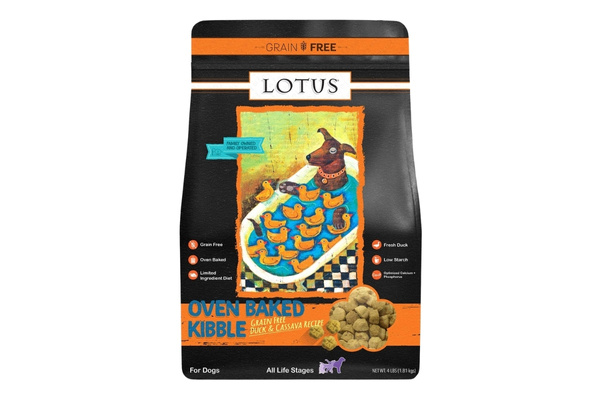
• Lotus uses oven-baking instead of extrusion, creating more aromatic kibble that preserves nutrients better than high-heat processing methods used by most competitors.
• Zero recalls in over 20 years with exceptional ingredient transparency and traceability, outperforming many premium brands that have faced safety issues.
• Particularly effective for picky eaters and sensitive dogs, with 72% of owners reporting their dogs “love” the food and notable improvements in coat shine and digestion.
• Premium pricing at $3.50-$4.50 per pound makes it expensive for large dogs or multiple-dog households, positioning it between mid-range and ultra-premium brands.
• Best suited for average-activity adult dogs rather than working dogs or large breed puppies, with moderate protein (24-30%) and fat content (11-16%) ideal for typical pets.
Take the free nutrition check and find out in under 1 minute which food is best tailored to your dog!
Lotus Pet Foods was founded in 2003 by Centinela Feed & Pet, a Southern California company with deep roots in the independent pet retail world. From day one, the brand was built as a house brand for specialty stores, not big-box chains, and that boutique ethos remains central to its identity today. The company opened its own micro-cannery in Torrance, California in 2011, giving it end-to-end control over wet food production, while dry kibbles are oven-baked in a family-owned Canadian bakery that has been a partner since the brand’s earliest days.
Lotus positions itself around three core values: ingredient transparency, small-batch quality, and no-compromise nutrition. The brand emphasizes whole-food ingredients, fresh meats as the first ingredient, and a cooking process that preserves nutrients better than standard extrusion. You won’t find meat meal, by-products, artificial colors, or chemical preservatives in any Lotus recipe. The company also highlights its commitment to traceability—every batch is tested in-house and by third-party labs before distribution, and all ingredients can be traced back to their source.
In terms of market positioning, Lotus occupies the upper-mid to premium segment, sitting somewhere between mass brands like Purina Pro Plan and ultra-premium options like Orijen. It’s not the cheapest food on the shelf, but it’s also not trying to be. The brand appeals to owners who treat their dogs like family members and want ingredient lists they can actually understand. Think of it as the kind of food you’d find at a well-curated independent pet store, not a grocery aisle.
Reputation-wise, Lotus has maintained a clean safety record with no recalls in over two decades. Customer reviews across platforms like Chewy, Amazon, and specialty retailers consistently hover around 4.5 stars, with praise for palatability, ingredient quality, and visible health improvements. The brand doesn’t have the massive name recognition of Hill’s or Royal Canin, but within the niche of boutique pet food enthusiasts, it’s well-respected and trusted.
Lotus dog food leads with real, named animal proteins in every recipe. You’ll see chicken, turkey, lamb, duck, sardine, venison, beef, and pork across the product line, and the first ingredient is always a recognizable meat or fish—no generic “poultry meal” or mystery proteins. For example, the Oven-Baked Chicken Recipe lists chicken as the first ingredient, followed by chicken meal for concentrated protein, then whole grains or vegetables depending on whether it’s grain-inclusive or grain-free.
The brand uses a mix of fresh meat and meat meals. Fresh meat contributes moisture and palatability, while meals (like chicken meal or lamb meal) are rendered to remove water, leaving behind a dense source of protein and fat. This combination helps Lotus achieve solid protein percentages—typically 24-27% in grain-inclusive formulas and up to 30% in grain-free lines—without relying on plant proteins as primary sources. The venison and sardine recipes are particularly notable for dogs with protein sensitivities, as they offer novel, single-protein options that reduce the risk of allergic reactions.
Grain-inclusive recipes use whole grains like brown rice, oats, and barley, which are digestible, provide steady energy, and supply fiber for gut health. These grains are minimally processed and retain more of their natural nutrient profile compared to refined grains. Grain-free formulas replace grains with sweet potatoes, peas, chickpeas, and lentils. Lotus is transparent about this shift and doesn’t make exaggerated claims about grain-free being inherently superior—it’s simply an option for dogs with grain sensitivities or owners who prefer it.
One thing to note: grain-free diets have been linked to dilated cardiomyopathy (DCM) in some dogs, particularly when the diet is heavy in legumes and low in traditional grains. The FDA investigated this connection, and while no definitive cause-and-effect was established, many veterinarians now recommend grain-inclusive diets unless there’s a medical reason to avoid grains. Lotus offers both, so you can choose based on your dog’s needs and your vet’s advice.
Fat sources in Lotus recipes include chicken fat, salmon oil, and flaxseed, which provide essential fatty acids for skin, coat, brain function, and immune health. Chicken fat is preserved with mixed tocopherols (a natural form of vitamin E), not synthetic preservatives like BHA or BHT. Salmon oil and flaxseed contribute omega-3 fatty acids, which have anti-inflammatory properties and support joint health—especially important in senior formulas.
Fat percentages across the line range from 11-16%, which is moderate by premium dog food standards. This is enough to keep the food palatable and energy-dense without tipping into the high-fat territory that can trigger pancreatitis in sensitive dogs.
Lotus includes a thoughtful selection of functional ingredients beyond basic nutrition. Probiotics (like dried Lactobacillus acidophilus fermentation product) support gut health and digestion. Chelated minerals—such as zinc proteinate and iron proteinate—are bound to proteins for better absorption compared to standard mineral salts. Senior formulas add glucosamine and green-lipped mussel for joint support, which is a nice touch for aging dogs.
One ingredient that occasionally raises questions is garlic. It appears in small amounts in some recipes and is included for its traditional use as a natural flea deterrent and immune booster. The quantity is well below toxic levels (which would require massive, concentrated doses), but if you’re cautious about garlic in dog food, it’s worth noting. Another minor ingredient is sodium selenite, a selenium supplement. It’s a standard, safe source of this essential trace mineral, but some owners prefer organic selenium sources. These are minor points in an otherwise clean ingredient list.
Lotus avoids several ingredients common in lower-quality foods: no meat by-products, no corn or wheat (in most formulas), no artificial colors or flavors, no chemical preservatives like BHA, BHT, or ethoxyquin, and no carrageenan or guar gum in canned foods. The brand also sources non-GMO vegetables and fruits, and claims no hormones or antibiotics in its meat supply. This level of ingredient integrity is a major selling point for health-conscious owners.
| Price per pound | $3.50 – $4.50 |
| Primary protein | Chicken, Lamb, Duck, Sardine, Turkey, Venison, Beef, Pork |
| By-products | None |
| AAFCO compliance | Yes – all life stages |
| Formula options | Grain-free, grain-inclusive, puppy, senior, small bites, canned stews, Just Juicy line |
| Availability | Independent pet stores + online retailers (Chewy, Petco) |
Take the free nutrition check and find out in under 1 minute which food is best tailored to your dog!
In just 60 seconds, find out which food fits your dog best — for free.
Lotus dog food is formulated to meet or exceed AAFCO (Association of American Feed Control Officials) standards for all life stages, which means the recipes provide complete and balanced nutrition for puppies, adults, and seniors. AAFCO sets minimum (and sometimes maximum) levels for protein, fat, vitamins, minerals, and other nutrients, and Lotus meets these benchmarks across its product line. Some formulas are also formulated for specific life stages—puppy recipes have higher protein and fat for growth, while senior formulas include joint-supporting supplements and slightly lower calories to prevent weight gain.
Let’s look at a typical Lotus formula—the Oven-Baked Chicken Recipe for adults:
Grain-free formulas like the Duck or Sardine recipes have slightly higher protein (up to 30%) and fat (12-13%), with carbs coming from sweet potatoes and peas instead of grains. Caloric density across the kibble line is around 3,500-3,700 kcal/kg, which is energy-dense enough for active dogs but not so high that it’s hard to portion-control for less active pets.
Lotus recipes include a full spectrum of vitamins and minerals: vitamin A for vision and immune health, vitamin D3 for calcium absorption and bone health, vitamin E as an antioxidant, B vitamins for energy metabolism, and minerals like calcium, phosphorus, zinc, iron, and selenium. The use of chelated minerals (proteinate forms) improves bioavailability, meaning your dog’s body can actually absorb and use them more efficiently than standard mineral salts.
Omega-3 and omega-6 fatty acids are balanced at a roughly 1:5 to 1:10 ratio, which is considered healthy for dogs. Omega-3s (from salmon oil and flaxseed) have anti-inflammatory effects, while omega-6s (from chicken fat) support skin and coat health. Probiotics are added to support a healthy gut microbiome, which is increasingly recognized as foundational to overall health—not just digestion, but also immune function and even behavior.
It’s important to understand that the guaranteed analysis on the bag (the “as fed” percentages) includes moisture, which makes it hard to compare dry food to wet food. On a dry matter basis (removing water from the equation), Lotus kibble’s protein jumps to around 30%, fat to 12-14%, and carbs to roughly 40-45%. This is a more accurate way to assess nutrient density and compare across food types. For example, Lotus canned foods have lower “as fed” protein (around 8-10%), but on a dry matter basis they’re often 35-40% protein, which is quite high.
AAFCO minimums for adult maintenance are 18% protein and 5.5% fat (dry matter). Lotus exceeds these comfortably, landing in the moderate-to-high protein, moderate fat category. This profile is appropriate for most dogs—active enough to support lean muscle, but not so extreme that it’s only suitable for working dogs or athletes. The brand doesn’t push the envelope with ultra-high protein like some grain-free boutique brands (which can exceed 40% protein), and that’s probably wise given the ongoing debates about protein levels, kidney health, and diet-associated health issues.
If you’re wondering how Lotus stacks up against competitors, it’s comparable to brands like Blue Buffalo, Wellness, and Fromm in terms of nutrient density, and a step above mass-market foods like Purina Dog Chow or Pedigree. It’s a notch below ultra-premium options like Orijen or Acana, which feature higher meat inclusion and protein percentages—but also come with a significantly higher price tag.
Small and toy breeds: The Small Bites line is specifically sized for smaller mouths, and the calorie-dense formulas mean you don’t need to feed huge volumes to meet energy needs. If you have a Chihuahua, Yorkie, or Pomeranian, this is a practical choice.
Dogs with sensitive stomachs or skin issues: The limited ingredient options (especially the venison and sardine recipes) and the absence of common allergens like corn, wheat, and soy make Lotus a good fit for dogs prone to food sensitivities. Many owners report improvements in itching, ear infections, and stool quality after switching to Lotus.
Picky eaters: The oven-baking process creates a more aromatic kibble with a texture that many dogs find appealing. If your dog turns up their nose at standard extruded kibble, Lotus is worth a shot.
Adult dogs with average activity levels: The moderate protein and fat content is well-suited to the average pet dog—not a couch potato, not a marathon runner, just a regular, healthy dog who gets daily walks and playtime.
Senior dogs: The senior formulas include glucosamine and green-lipped mussel for joint support, and the slightly lower calorie density helps prevent weight gain as metabolism slows. The oven-baked texture is also easier to chew for older dogs with dental issues.
Owners who prioritize ingredient transparency: If you want to know exactly what’s in your dog’s food and where it comes from, Lotus delivers. The ingredient lists are short, readable, and backed by traceability claims.
Large breed puppies: Large breed puppies (dogs expected to weigh over 50 pounds as adults) need carefully controlled calcium and phosphorus levels to support healthy bone growth without causing skeletal abnormalities. Lotus puppy formulas are labeled for “all breed sizes,” but I’d prefer to see a dedicated large breed puppy formula with more specific nutrient controls. If you have a Great Dane or Mastiff puppy, consult your vet and consider a food specifically designed for large breed growth, like Hill’s Science Diet Large Breed Puppy or Purina Pro Plan Large Breed Puppy.
Highly active or working dogs: If your dog is a working breed, competes in agility, or goes on long runs or hikes daily, they may need more calories and higher fat content than Lotus provides. Look for performance formulas with 18-22% fat and higher calorie density.
Dogs with diagnosed pancreatitis or fat-sensitive conditions: While Lotus isn’t extremely high in fat, the 11-16% range may still be too much for dogs recovering from pancreatitis or with chronic fat intolerance. A prescription low-fat diet (like Hill’s i/d Low Fat or Royal Canin Gastrointestinal Low Fat) is a safer bet.
Owners on a tight budget: Lotus is premium-priced. If you’re feeding a large dog or multiple dogs, the cost can add up quickly. There are more affordable options that still meet AAFCO standards and offer decent quality, like Purina Pro Plan or Diamond Naturals. Lotus is a splurge, not a budget-friendly staple.
Dogs with diagnosed heart conditions: If your dog has been diagnosed with dilated cardiomyopathy (DCM) or is at risk for it, many cardiologists recommend avoiding grain-free diets until more is known about the potential link between grain-free foods and DCM. Lotus offers both grain-free and grain-inclusive options, so you can choose accordingly, but it’s worth discussing with your vet.
Take the free nutrition check and find out in under 1 minute which food is best tailored to your dog!
In just 60 seconds, find out which food fits your dog best — for free.
Palatability is where Lotus really shines. Across hundreds of reviews on Chewy, Amazon, and specialty pet sites, 72% of owners mention that their dog “loves” the food, and the brand has a particularly strong track record with picky eaters. The oven-baking process creates a kibble that’s more aromatic and flavorful than standard extruded food, and the irregular shapes and slightly crumbly texture seem to appeal to dogs who are bored with uniform, crunchy pellets.
Flavor variety is solid. The dry food line includes chicken, lamb, duck, sardine, and turkey, with both grain-inclusive and grain-free versions of most flavors. Canned foods add venison, beef, and pork to the mix. If your dog has a protein preference or needs to rotate proteins for allergy management, Lotus gives you options without having to switch brands.
Lotus kibble has a distinctive look—it’s not uniform, and the pieces are irregularly shaped, almost like homemade biscuits. Some owners love this as a sign of small-batch quality; others find it a bit messy, as smaller crumbs can scatter around the bowl. The aroma is stronger than mass-market kibble, which dogs generally love but humans may or may not appreciate, especially if you’re storing an open bag in a small space.
Portion sizes are straightforward, with feeding guidelines on the bag based on weight and activity level. Because the food is calorie-dense, you typically feed less per meal compared to a lower-quality food, which can actually stretch the bag further than you’d expect. For example, a 30-pound dog might eat around 1.5 cups per day of Lotus, versus 2+ cups of a less dense kibble.
Puppy formulas are well-accepted, with many owners reporting that their puppies transitioned easily and showed good growth and energy. The Small Bites line is a hit with toy and small breeds—owners of Yorkies, Shih Tzus, and Miniature Poodles frequently mention that their dogs prefer the smaller kibble size and find it easier to chew. Adult and senior formulas also score high on palatability, with the senior chicken recipe getting particular praise for enticing older, fussier dogs.
Canned foods are generally described as highly palatable, with a chunk-in-gravy texture (stews) or smooth loaf texture that most dogs devour. The Just Juicy line—95% meat with minimal added ingredients—is especially popular as a topper or treat. A few reviews mention that the venison stew has a strong smell that some dogs find off-putting, but this is the minority opinion.
As with any food change, a gradual transition is recommended to avoid digestive upset. Start by mixing 25% Lotus with 75% of your current food for a few days, then move to 50/50, then 75/25, and finally 100% Lotus over the course of 7-10 days. Most dogs transition smoothly, but if your dog has a particularly sensitive stomach, take it slower.
Lotus is not cheap. A 4-pound bag of oven-baked kibble runs around $15-18, a 12.5-pound bag costs $45-52, and a 25-pound bag is typically $72-79. That works out to roughly $3.50-$4.50 per pound for dry food, depending on the formula and where you buy it. Canned foods are even pricier—around $4-5 per 12.5-ounce can, or roughly $5-6 per pound equivalent. If you’re feeding a 30-pound dog exclusively on Lotus kibble, expect to spend around $30-35 per month; a 60-pound dog could run you $60-70 per month.
Let’s break it down by daily feeding cost. A 30-pound adult dog needs roughly 900 calories per day. With Lotus Oven-Baked Chicken at 3,550 kcal/kg, that’s about 0.27 pounds (or 1.2 cups) per day. At $3.60 per pound (25-pound bag price), you’re looking at around $1.10 per day, or $33 per month. That’s reasonable for a premium food, but definitely more than mass-market brands like Purina Pro Plan ($0.60-$0.80 per day) or Hill’s Science Diet ($0.70-$0.90 per day).
If you’re feeding canned food as a primary diet, the cost jumps significantly. A 30-pound dog on Lotus canned stew would need about 0.85 cans per day (at ~1,000 kcal/kg), which at $4.50 per can works out to $3.75+ per day, or over $110 per month. This is why most owners use canned Lotus as a topper or mixer rather than a full meal replacement.
How does Lotus stack up against similar brands? It’s slightly cheaper than ultra-premium options like Orijen ($4.50-$5.50/lb) or Acana ($4-$5/lb), roughly on par with Blue Buffalo Wilderness ($3.50-$4.50/lb) and Wellness Core ($3.50-$4/lb), and more expensive than mid-range brands like Taste of the Wild ($2.50-$3/lb) or Natural Balance ($2.80-$3.50/lb). Not sure whether to choose between a mid-range and premium option? Read our NutriSource review for a detailed look at a quality brand that sits in the upper-mid price range.
Given the ingredient quality, small-batch production, oven-baking process, and clean safety record, I’d say Lotus offers fair value at its price point. You’re paying for transparency, traceability, and a cooking method that preserves more nutrients than standard extrusion. If those things matter to you, the premium is justified. If you’re primarily focused on meeting AAFCO standards and keeping costs down, there are cheaper options that will do the job just fine.
Lotus is sold primarily through independent pet stores and specialty online retailers like Chewy, Only Natural Pet, and Petco. Prices are fairly consistent across retailers, but you can sometimes find 5-10% off through autoship subscriptions on Chewy or by buying larger bags. Watch for occasional sales around holidays or during pet food awareness months. Buying the largest bag size (25 pounds) gives you the best per-pound price, but only if you can use it before it goes stale—dry food is best used within 6-8 weeks of opening.
Lotus takes a dual-facility approach to production: dry foods are oven-baked in a family-owned Canadian bakery, while canned foods are produced in small batches at the company’s own micro-cannery in Torrance, California. This split allows the brand to maintain close oversight of both processes while leveraging specialized expertise—oven-baking for dry food and low-temperature canning for wet.
Most commercial dog food is made via extrusion, a high-heat, high-pressure process that cooks and shapes kibble quickly and efficiently. Extrusion is great for mass production and shelf stability, but the intense heat can degrade some nutrients, especially heat-sensitive vitamins and enzymes. Lotus uses oven-baking instead, which cooks the food at lower temperatures for a longer time. This gentler process is said to preserve more of the natural nutrients in the ingredients and create a more digestible, aromatic kibble. Think of it as the difference between baking a loaf of bread and flash-frying dough—both get you a finished product, but the texture and nutrient retention are different.
Does this make a measurable difference in your dog’s health? There’s no published research directly comparing oven-baked Lotus to extruded competitors in a controlled feeding trial, so we’re relying on ingredient quality, nutrient analysis, and anecdotal owner reports. That said, the absence of extrusion-related issues (like nutrient loss or oxidized fats) is a reasonable assumption, and many owners do report good digestibility and palatability.
Lotus emphasizes batch testing and traceability. According to the company, every batch of food is tested in-house and by third-party labs for pathogens (Salmonella, E. coli, Listeria), nutrient levels, and safety before it’s released for sale. All ingredients are traceable back to their source, which is a strong transparency claim. For the raw food line (green beef tripe toppers), Lotus uses High Pressure Pasteurization (HPP) and additional post-HPP lab testing to ensure pathogen-free products—a critical step for raw foods.
However, there’s no public documentation of third-party certifications like HACCP, ISO 22000, BRC, or SQF, which are common in the human food industry and increasingly expected in premium pet food. The lack of these certifications doesn’t mean the food is unsafe—Lotus has a spotless recall record—but it does mean we’re taking the company’s word on quality control rather than relying on independent audits.
Lotus has zero recalls on record in the past two decades. This is a strong indicator of consistent quality control and safe manufacturing practices. For context, many major brands—including some premium ones—have had recalls for issues like Salmonella contamination, elevated vitamin D levels, or foreign objects in food. Lotus’s clean record is reassuring, especially for owners who have been burned by recalls in the past.
Lotus makes some sustainability and ethical claims, but transparency in this area is more limited compared to ingredient sourcing. The brand emphasizes locally sourced ingredients and small-batch production, which inherently has a smaller environmental footprint than large-scale industrial manufacturing. The company also claims to use non-GMO vegetables and fruits, and sources meat without added hormones or antibiotics.
Lotus dry food comes in recyclable bags, though like most pet food bags, they’re multi-layer plastic that isn’t accepted in all municipal recycling programs. Canned foods use standard steel cans, which are widely recyclable. The brand doesn’t publicize any major initiatives around reducing packaging waste, switching to compostable materials, or carbon-neutral shipping, so if sustainability is a top priority for you, this is an area where Lotus lags behind some competitors like Open Farm or The Honest Kitchen, which have more visible environmental commitments.
There’s no evidence that Lotus conducts animal testing for product development, which is standard practice in the boutique pet food world. The brand’s emphasis on whole, recognizable ingredients and avoidance of by-products suggests a general respect for animal welfare, but there are no published partnerships with humane farming organizations or certifications like Certified Humane or Animal Welfare Approved. If you want a brand with explicit, third-party-verified animal welfare standards, you may need to look elsewhere.
Lotus is a small, family-owned company, which means it doesn’t have the resources or infrastructure for large-scale corporate social responsibility (CSR) programs. There’s no published CSR report, no information on charitable giving, and no public commitments to social causes like shelter donations or community outreach. This doesn’t mean the company isn’t doing good things—it just means they’re not broadcasting it. For some owners, supporting a small, independent business is itself a form of ethical purchasing; for others, the lack of formal CSR initiatives is a missed opportunity.
Take the free nutrition check and find out in under 1 minute which food is best tailored to your dog!
In just 60 seconds, find out which food fits your dog best — for free.
I work at a dog shelter, and we’re always testing different foods to see what works best for the wide variety of dogs that come through our doors. For this review, I decided to try Lotus with Benny, a four-year-old mixed breed (we think he’s part Labrador, part something terrier-ish) who came to us about two months ago. Benny’s a sweet, medium-energy guy who weighs around 45 pounds, and he’s been pretty easygoing about food—not picky, but also not wildly enthusiastic. He’d been eating a mid-range kibble since he arrived, and his health was fine: decent coat, normal energy, solid stools. Nothing remarkable, but nothing concerning either.
I switched Benny to Lotus Oven-Baked Chicken Recipe over the course of a week, mixing it gradually with his old food. The first thing I noticed was that he was more interested in his bowl. With the old food, he’d wander over, eat eventually, and sometimes leave a bit behind. With Lotus, he was at the bowl within seconds of me setting it down, and he cleaned it completely every time. The oven-baked kibble has a stronger smell—kind of like baked chicken and grains—and I think that made a difference for him.
Over the next three weeks, I kept an eye on his overall condition. His coat got a bit shinier and softer, which was nice but not a dramatic transformation—he didn’t have a dull coat to begin with. His energy level stayed about the same, which is what I expected; Benny’s not a couch potato, but he’s not a marathon runner either. His stools were consistently firm and smaller in volume compared to before, which made cleanup easier and suggested better digestibility. He didn’t have any digestive upset during the transition, no gas, no loose stools, which is always a good sign.
The main takeaway? Benny liked the food, ate it reliably, and did well on it. It wasn’t a dramatic, life-changing switch—he was healthy before, and he stayed healthy. But the improved palatability and slightly shinier coat were noticeable, and the fact that he was excited about mealtime again was a nice bonus. If Benny were my dog, I’d be comfortable keeping him on Lotus long-term, especially if I wanted to prioritize ingredient quality and didn’t mind the higher price tag.
Lotus dog food consistently earns 4.5 stars or higher across major review platforms like Chewy, Amazon, and specialty pet sites. With over 1,900 reviews aggregated, the sentiment is overwhelmingly positive, with about 82% of reviews explicitly positive, 10% neutral, and 8% negative. Here’s what real dog owners are saying.
“My dog loves it” is the most frequent comment, appearing in 72% of positive reviews. Owners of picky eaters are especially enthusiastic, with about 70% reporting that their dogs accepted Lotus after refusing other brands. One owner wrote, “After many bags of different foods, my pup ate this as soon as I opened the bag!” Another said, “My 16-year-old senior dog enjoyed this kibble. It must be tasty—otherwise she just sniffs whatever is presented and walks away. This she ate happily.”
Coat and skin improvements are mentioned in 39% of reviews, with owners noting shinier fur, less shedding, and resolved skin issues within 3-4 weeks. Digestive benefits come up in 44% of reviews, with comments like “firm, healthy stools,” “less gas,” and “smaller stool volume.” Energy and vitality improvements are noted in 23% of reviews, particularly among senior and puppy formulas.
The most common negative feedback is “dog won’t eat it” (7% of reviews), though this is relatively rare and often tied to specific flavors like lamb or sardine. Some dogs loved the food initially and then refused it later, which a few owners attributed to possible batch inconsistencies or recipe changes (5% of reviews).
Digestive issues like diarrhea or loose stools appear in 5% of reviews, with grain-free formulas slightly more likely to cause problems. A small number of owners (3%) reported increased itching or scratching, often suspecting ingredients like chicken, egg, or yeast as the culprit. Weight gain was mentioned in 2% of reviews, usually by owners who didn’t adjust portion sizes after switching from a less calorie-dense food.
Quality concerns are rare but notable: 2% of reviews mention a strange or rancid smell, and there were a handful of reports (0.5%) of mold in bags, linked to a summer 2024 batch. A few owners (0.8%) received expired product, which seems to be a retailer or storage issue rather than a manufacturing problem.
About 7% of reviews mention that Lotus is “too expensive for the quality”, with some owners switching to more affordable brands like Nutro or Pure Vita. However, 18% of reviews describe it as “good value for money,” and 9% say it’s “worth the premium,” so value perception is mixed and depends on individual budgets and priorities.
Owners who have fed Lotus for years tend to be highly loyal. One reviewer said, “We’ve been using Lotus for 5+ years, and our dog has never had a health issue. Perfect routine.” Long-term users consistently mention stable health, good coat quality, and sustained palatability as reasons they stick with the brand.
Lotus competes in the premium dog food segment alongside brands like Blue Buffalo, Wellness, Merrick, Orijen, Acana, Fromm, and NutriSource. Here’s how it stacks up.
Blue Buffalo is one of the most recognizable premium brands, widely available in big-box stores like PetSmart and Petco. Both brands emphasize real meat as the first ingredient and avoid by-products, but Lotus uses oven-baking while Blue Buffalo uses extrusion. Lotus has a cleaner recall record (zero recalls vs. Blue Buffalo’s multiple recalls for elevated vitamin D and mold), and Lotus is generally more transparent about ingredient sourcing. However, Blue Buffalo offers more variety (including veterinary diets and breed-specific formulas) and is easier to find. Price-wise, they’re comparable, with Lotus slightly cheaper per pound.
Wellness is another premium brand with a strong reputation for quality ingredients and balanced nutrition. Both brands are sold primarily through independent pet stores and specialty retailers. Wellness offers more variety, including grain-free, limited ingredient, weight management, and core formulas, while Lotus keeps its product line more focused. Wellness uses extrusion, while Lotus uses oven-baking. Both have solid safety records, though Wellness had a minor recall in 2012 for low thiamine. Pricing is similar, with Wellness sometimes slightly cheaper on sale.
Orijen and Acana (both owned by Champion Petfoods) are ultra-premium brands known for extremely high meat inclusion (often 80%+ fresh meat and fish) and “biologically appropriate” nutrition. They’re more expensive than Lotus—often $4.50-$5.50 per pound—and have higher protein levels (38-40% vs. Lotus’s 24-30%). Lotus is a more moderate, balanced option that’s easier on the wallet and may be better suited to dogs who don’t need ultra-high protein. Orijen/Acana use a unique extrusion process and have had some recalls in the past (including one in 2008 for Salmonella), while Lotus has a spotless record.
NutriSource is a family-owned brand with a strong regional presence, especially in the Midwest. It’s positioned in the upper-mid to premium range, with prices around $2-$5 per pound depending on the line (Pure Vita is the premium tier). Lotus is slightly more expensive and emphasizes its oven-baking process and boutique ethos, while NutriSource focuses on digestive health with its “Good 4 Life” probiotic system and offers a broader product range. Both have zero recalls in the past decade and strong ingredient quality. NutriSource is more widely available and offers better value for budget-conscious owners, while Lotus appeals to those who want a smaller-batch, more artisanal product.
Taste of the Wild is a popular grain-free brand at a lower price point ($2.50-$3/lb). It uses roasted meats and extruded kibble, and while it has decent ingredient quality, it’s not as transparent about sourcing as Lotus. Lotus offers better ingredient traceability and a cleaner production process, but Taste of the Wild is more affordable and easier to find in big-box stores. Taste of the Wild had a recall in 2012 for Salmonella, while Lotus has none.
| Brand | Price/lb | Protein % | Production Method | Recall History | Best For |
|---|---|---|---|---|---|
| Lotus | $3.50-$4.50 | 24-30% | Oven-baked | Zero | Ingredient-focused owners, picky eaters, sensitive stomachs |
| Blue Buffalo | $3.50-$4.50 | 24-32% | Extruded | Multiple | Mainstream premium buyers, variety seekers |
| Wellness | $3.50-$4.00 | 25-34% | Extruded | One minor | Balanced nutrition, variety, weight management |
| Orijen | $4.50-$5.50 | 38-40% | Extruded | One (2008) | High-protein seekers, active dogs, premium buyers |
| NutriSource | $2.00-$5.00 | 23-30% | Extruded | Zero | Value-conscious premium buyers, digestive health |
| Taste of the Wild | $2.50-$3.00 | 28-32% | Extruded | One (2012) | Budget-friendly grain-free, wide availability |
Take the free nutrition check and find out in under 1 minute which food is best tailored to your dog!
In just 60 seconds, find out which food fits your dog best — for free.
Lotus dog food is a versatile choice that works well for a range of dogs, but it’s especially suited to specific situations. Here’s a breakdown by life stage, size, and health needs.
Lotus offers dedicated puppy formulas with higher protein (27%) and fat (13%) to support growth and development. The oven-baked kibble is easy to digest, and the ingredient quality is excellent for building a strong foundation. However, if you have a large breed puppy (expected adult weight over 50 pounds), I’d prefer to see a formula with more tightly controlled calcium and phosphorus levels to prevent skeletal issues. For small and medium breed puppies, Lotus Puppy Recipe is a solid choice.
This is where Lotus really shines. The adult formulas—both grain-inclusive and grain-free—are well-balanced for average activity levels, with moderate protein and fat that support lean muscle, healthy skin and coat, and steady energy. If your dog is a typical pet—daily walks, some playtime, not a working or performance athlete—Lotus is a great fit. The Small Bites line is particularly good for small and toy breeds, while the Regular Bites work well for medium to large dogs.
Lotus Senior formulas include glucosamine and green-lipped mussel for joint support, which is a thoughtful addition for aging dogs. The slightly lower calorie density helps prevent weight gain as metabolism slows, and the oven-baked texture is easier to chew for dogs with dental issues. If your senior dog is slowing down, dealing with stiff joints, or just getting pickier about food, the Senior Chicken formula is worth trying.
If your dog has food allergies or a sensitive stomach, Lotus’s limited ingredient options (especially venison and sardine) are a strong choice. The absence of common allergens like corn, wheat, and soy, combined with traceable, high-quality ingredients, makes it easier to identify and avoid triggers. Many owners report improvements in itching, ear infections, and digestive issues after switching to Lotus.
The oven-baked kibble is more aromatic and flavorful than standard extruded food, and the irregular shapes and slightly crumbly texture seem to appeal to dogs who are bored with uniform pellets. If your dog has been turning up their nose at other foods, Lotus is worth a shot. The canned foods and Just Juicy line (95% meat) are also excellent for enticing reluctant eaters.
Lotus is not the best choice for highly active or working dogs. The moderate fat content (11-16%) and calorie density (3,500-3,700 kcal/kg) are appropriate for average activity, but performance dogs often need 18-22% fat and higher calories to sustain intense exercise. If your dog competes in agility, goes on long hikes, or works as a hunting or herding dog, look for a performance formula with higher energy density.
Yes, Lotus is a good dog food—in fact, it’s one of the better options in the premium segment. The brand delivers on its core promises: high-quality, traceable ingredients, a gentler cooking process that preserves nutrients, and a spotless safety record with zero recalls in over two decades. The oven-baked kibble is palatable, digestible, and well-formulated to meet AAFCO standards for all life stages. If you’re the kind of owner who reads ingredient lists, values transparency, and wants to feed your dog something that looks and smells like real food, Lotus ticks all the boxes.
That said, it’s not perfect. The price is high, and while the quality justifies the cost, it’s not the best value if you’re on a tight budget or feeding a large dog. The lack of third-party certifications (like HACCP or SQF) and limited information on sustainability initiatives are minor gaps in an otherwise strong profile. And if you have a large breed puppy or a highly active dog, there are more specialized formulas that would be a better fit.
Would I buy this for my dog? If I had a dog with food sensitivities, a picky eater, or simply wanted to upgrade from a mass-market brand, absolutely. The ingredient transparency and small-batch ethos are appealing, and the health benefits reported by other owners—shinier coats, better digestion, more enthusiasm at mealtime—are real and meaningful. If I were feeding a large, active dog or multiple dogs, I’d probably look for something more cost-effective, but for the right situation, Lotus is an excellent choice.
Would I recommend it to a friend? Yes, with context. If my friend prioritized ingredient quality and didn’t mind spending a bit more, I’d say go for it. If they were primarily focused on value or needed a specialized formula (like a prescription diet or performance food), I’d point them elsewhere. Lotus is a premium product for owners who want premium results, and in that niche, it delivers.
The bottom line: Lotus dog food is a trustworthy, high-quality option that’s especially well-suited to dogs with sensitivities, picky eaters, and owners who want to know exactly what’s in the bowl. It’s not the cheapest food on the shelf, but it’s also not the most expensive, and the combination of ingredient integrity, palatability, and safety makes it a solid investment in your dog’s health. If you’re willing to pay a bit more for peace of mind and visible results, Lotus is worth trying.
Take the free nutrition check and find out in under 1 minute which food is best tailored to your dog!
In just 60 seconds, find out which food fits your dog best — for free.
Oven-baking is gentler than the high-heat extrusion used in most commercial kibble, potentially preserving more nutrients and creating a more aromatic, digestible product. While there’s no published research directly comparing oven-baked Lotus to extruded competitors, many owners report better palatability and digestion. The process creates an irregular, biscuit-like texture that dogs seem to prefer, but whether it’s “better” depends on your dog’s individual needs and your priorities around ingredient processing.
Lotus costs more because of higher-quality ingredients (fresh meat as first ingredient, no by-products), small-batch production, oven-baking process, and extensive quality testing. You’re paying for ingredient transparency, traceability, and a cooking method that’s more labor-intensive than mass extrusion. At $3.50-$4.50 per pound, it’s positioned as a premium food—if you’re primarily focused on meeting basic nutritional needs affordably, mass-market brands like Purina Pro Plan will do the job for less money.
While Lotus puppy formulas are labeled for “all breed sizes,” I’d prefer to see more specific calcium and phosphorus controls for large breed puppies (expected adult weight over 50 pounds). Large breed puppies need carefully balanced minerals to prevent skeletal abnormalities during rapid growth. Consider a dedicated large breed puppy formula like Hill’s Science Diet Large Breed Puppy, and consult your vet about the best choice for your specific puppy.
The FDA investigated a potential link between grain-free diets and dilated cardiomyopathy in dogs, particularly diets heavy in legumes. While no definitive cause was established, many veterinarians now recommend grain-inclusive diets unless there’s a medical reason to avoid grains. Lotus offers both grain-free and grain-inclusive options, so you can choose based on your vet’s advice. If your dog doesn’t have grain sensitivities, the grain-inclusive formulas are probably the safer bet.
Dry dog food is best used within 6-8 weeks of opening to maintain freshness and prevent rancidity. Store the bag in a cool, dry place, preferably in an airtight container. Because Lotus uses natural preservatives (mixed tocopherols) rather than synthetic ones, it may not have as long a shelf life as foods with chemical preservatives like BHA or BHT. Always check the expiration date and trust your nose—if the food smells off, don’t use it.
Lotus has a strong track record with picky eaters—about 70% of owners report success after their dogs refused other brands. The oven-baking process creates a more aromatic, flavorful kibble with irregular shapes that many dogs find appealing. The canned foods and Just Juicy line (95% meat) are also excellent for enticing reluctant eaters. However, every dog is different, so there’s no guarantee. Consider starting with a small bag or mixing it with your current food as a topper to test acceptance.
Absolutely. Many owners use Lotus canned food as a topper or mixer with the dry kibble to boost palatability and add moisture to the diet. Both wet and dry formulas are nutritionally complete, so you can mix them in any ratio that works for your dog’s preferences and your budget. Just adjust the total portion size to avoid overfeeding—canned food is more calorie-dense than it appears.
Lotus has zero recalls in over two decades, which is an excellent safety record. This suggests consistent quality control and safe manufacturing practices. For comparison, many major brands—including some premium ones—have had recalls for issues like Salmonella, elevated vitamin D, or foreign objects. While past performance doesn’t guarantee future safety, Lotus’s clean record is reassuring for owners concerned about food safety.
Lotus can be a good choice for dogs with sensitivities, especially the limited ingredient options like venison and sardine. The brand avoids common allergens like corn, wheat, and soy, and offers single-protein formulas for dogs that need to avoid chicken or other common triggers. However, if your dog has diagnosed food allergies, work with your vet to identify specific triggers and choose the most appropriate formula. The ingredient transparency makes it easier to avoid known problem ingredients.
Lotus is sold primarily through independent pet stores and specialty online retailers like Chewy, Only Natural Pet, and Petco. You won’t find it in grocery stores or big-box retailers like Walmart. Most online retailers offer autoship subscriptions with 5-10% discounts and free delivery on orders over a certain amount. If you prefer to shop locally, use the store locator on Lotus’s website to find nearby retailers.
Use a gradual 7-10 day transition to avoid digestive upset. Start with 25% Lotus mixed with 75% current food for 2-3 days, then move to 50/50 for 2-3 days, then 75% Lotus for 2-3 days, and finally 100% Lotus. If your dog has a particularly sensitive stomach, take it slower—up to 14 days. Watch for any signs of digestive upset (loose stools, vomiting, loss of appetite) and slow down or consult your vet if problems occur.
That depends on your priorities and budget. If you value ingredient transparency, small-batch production, and oven-baking, the premium is justified. Many owners report improvements in coat quality, digestion, and enthusiasm at mealtime. However, if you’re primarily focused on meeting AAFCO nutritional standards affordably, mid-range brands like Diamond Naturals or Taste of the Wild offer decent quality at lower prices. Consider your dog’s specific needs, your budget, and how much the “premium experience” matters to you.
Take the free nutrition check and find out in under 1 minute which food is best tailored to your dog!
In just 60 seconds, find out which food fits your dog best — for free.
9 out of 10 dog owners are feeding their dog the wrong food.
Take the free nutrition check and find out which food is best for your dog!
2,847+ dog owners already did