9 out of 10 dog owners are feeding their dog the wrong food

Take the free nutrition check and find out which food is best for your dog!

Shelter manager, certified canine nutritionist, and lifelong dog lover
• Drastically reduced product line: Trader Joe’s discontinued its grain-free formulas in 2023-2024 due to sourcing issues, leaving only two dry kibbles that are increasingly hard to find in stores.
• Budget-friendly but carb-heavy formula: At $1.07-$1.33 per pound, it’s significantly cheaper than premium brands, but contains 53% carbohydrates with moderate 26% protein content on dry matter basis.
• Limited transparency and availability issues: Trader Joe’s doesn’t disclose manufacturing facilities, ingredient sourcing, or quality certifications, and the food is only available in physical stores with inconsistent stock.
• Suitable only for healthy adult dogs: No puppy, senior, grain-free, or specialty formulas available, making it unsuitable for dogs with dietary sensitivities, high activity levels, or special nutritional needs.
• Adequate but unremarkable performance: Most dogs tolerate it well with normal digestion and energy, but it lacks the ingredient quality, protein density, and nutritional optimization found in premium competitors.
Take the free nutrition check and find out in under 1 minute which food is best tailored to your dog!
Trader Joe’s dog food occupies an unusual space in the pet food world. It’s not a dedicated pet brand with decades of canine nutrition research behind it. It’s a private-label grocery product from a retailer better known for two-buck chuck and everything bagel seasoning than for feeding dogs. And yet, for years, it quietly served a niche: budget-conscious dog owners who trusted the Trader Joe’s name and wanted something simple, affordable, and available during their weekly grocery run.
But in 2023 and 2024, that niche got a lot smaller. Trader Joe’s discontinued its entire grain-free dog food line due to what the company called “inconsistent availability and ongoing sourcing issues.” No recalls, no safety scandals—just supply chain problems that led to a quiet exit from a category the brand was never heavily invested in to begin with. What’s left today are two dry formulas: Premium Lamb Meal and Rice and Premium Chicken Meal and Rice, both grain-inclusive, both targeted at adult dogs, and both increasingly hard to find in some stores.
So the question becomes: if you can find it, is it worth buying? And if you’re already feeding it, should you stick with it or make a switch? Let’s dig into what Trader Joe’s dog food actually is, what it offers, and where it falls short.
Trader Joe’s was founded in 1967 by Joe Coulombe in Pasadena, California. It started as a quirky alternative to conventional grocery stores, offering unique products at affordable prices with a neighborhood-store vibe. In 1979, the company was acquired by Theo Albrecht, owner of Aldi Nord, and has remained privately held by the Albrecht family ever since. Today, Trader Joe’s operates more than 570 stores across 42 U.S. states, with a reputation built on private-label products, competitive pricing, and a carefully curated selection.
The brand’s core philosophy is simple: offer great quality at everyday low prices, with a focus on simplicity and transparency. But here’s the catch—that transparency doesn’t extend very far when it comes to pet food. Trader Joe’s doesn’t manufacture its own products. Instead, it outsources production to third-party co-packers, and it doesn’t disclose which facilities make its dog food, where ingredients are sourced, or what quality control measures are in place beyond meeting basic regulatory standards.
This lack of transparency isn’t unusual for private-label grocery brands, but it’s a red flag in the pet food world, where ingredient traceability and production accountability are increasingly important to informed buyers. Trader Joe’s has no published animal welfare policies for pet food, no sustainability reports specific to its dog food line, and no veterinary partnerships or endorsements. It’s a grocery brand dabbling in dog food, not a dog food brand that happens to sell at grocery stores.
In terms of market position, Trader Joe’s dog food is a mid-range, value-oriented product. It’s cheaper than premium brands like Orijen or Blue Buffalo, but it’s not competing on ingredient quality or nutritional innovation. It’s competing on convenience and price—appealing to shoppers who want to grab dog food while picking up dinner, without making a separate trip to a pet store or paying premium prices online.
The Premium Lamb Meal and Rice formula—the only one with publicly available ingredient data—lists lamb meal as the first ingredient. That’s a positive start. Lamb meal is a concentrated protein source, meaning the moisture has been removed, so you’re getting more actual protein per pound than you would from fresh lamb. It’s a cost-effective way to boost protein content without relying on fresh meat, which is mostly water.
The formula also includes herring meal and chicken fat, which add additional animal-based protein and fat. Chicken fat is a high-quality source of omega-6 fatty acids and is generally well-tolerated by most dogs. Herring meal contributes omega-3 fatty acids, which support skin, coat, and joint health. So far, the animal protein sources are solid for a mid-range food.
This is where things get less impressive. The second and third ingredients are ground brown rice and whole wheat. Combined, these grains make up a significant portion of the formula—likely more than 50% of the total dry matter. That’s typical for budget and mid-range kibbles, but it’s a far cry from the low-carb, high-protein profiles you’ll find in premium brands.
Brown rice is a decent carbohydrate source—it’s digestible, provides energy, and is less likely to cause issues than corn or soy. Whole wheat is more controversial. While it’s a whole grain and provides fiber, it’s also a common allergen for dogs with sensitivities. If your dog has a wheat or grain intolerance, this food is off the table.
The formula also includes flaxseed, which is a good source of plant-based omega-3s and fiber, though it’s not as bioavailable as fish oil. There’s no evidence of peas, lentils, or legumes, which is a plus—those ingredients have been linked to potential concerns around dilated cardiomyopathy (DCM) in grain-free diets, so their absence here is reassuring.
There are no glaring red flags like by-products, artificial colors, or named chemical preservatives. The formula uses natural flavors, which is vague but standard in the industry. It also includes dried fermentation products—these are essentially probiotics or digestive enzymes, which can support gut health. That’s a nice touch for a mid-range food.
The formula also lists chelated minerals (zinc proteinate, iron proteinate, copper proteinate, manganese proteinate, sodium selenite), which are more bioavailable than standard mineral salts. This means your dog’s body can absorb and use them more effectively. It’s a premium feature you don’t always see in budget kibbles.
| Price per pound | $1.07 – $1.33 |
| Primary protein | Lamb meal, Chicken meal |
| By-products | None |
| AAFCO compliance | Yes (adult maintenance) |
| Formula options | 2 dry formulas (Lamb & Rice, Chicken & Rice) |
| Availability | Trader Joe’s stores only (inconsistent stock) |
Take the free nutrition check and find out in under 1 minute which food is best tailored to your dog!
In just 60 seconds, find out which food fits your dog best — for free.
Overall, the ingredient list is decent but unremarkable. It’s not packed with fillers or junk, but it’s also not pushing any boundaries. If you’re looking for novel proteins, limited ingredients, or grain-free options, this isn’t it. If you want a straightforward, grain-inclusive kibble with named animal proteins and no obvious red flags, it fits the bill.
Let’s break down the numbers. The Premium Lamb Meal and Rice formula guarantees a minimum of 23% crude protein and 13% crude fat on an as-fed basis. When you convert that to a dry matter basis (removing moisture), you get approximately 26% protein and 14.6% fat. Estimated carbohydrate content sits around 53%, which is high but typical for grain-inclusive kibbles in this price range.
The protein level is moderate—it meets AAFCO standards for adult maintenance, but it’s on the lower end compared to premium brands that often hit 30-40% protein. For a moderately active adult dog, 26% protein is adequate. For highly active dogs, working breeds, or dogs with higher protein needs, it’s less than ideal.
Fat content at 14.6% is also moderate. It’s enough to support energy and coat health, but again, it’s not optimized for performance or high-energy lifestyles. Dogs on this food are unlikely to experience fat deficiency, but they’re also not getting the rich, calorie-dense nutrition you’d find in performance or high-fat formulas.
The carbohydrate content is the real sticking point. At 53%, this food is carb-heavy. That’s not inherently bad—dogs can digest carbs and use them for energy—but it does mean the food is less protein-dense and more filler-heavy than premium options. For dogs prone to weight gain or blood sugar issues, this could be a concern.
Fiber sits at 3.5%, which is moderate and should support normal digestion without causing excessive bulk. There’s no published data on ash content, digestibility, or caloric density per cup, which makes it harder to compare directly to competitors. Based on similar formulas, you’re probably looking at around 350-370 kcal per cup, which is standard for mid-range kibble.
One thing worth noting: the formula includes omega-3 and omega-6 fatty acids from herring meal, flaxseed, and chicken fat. While exact ratios aren’t published, this is a positive feature for skin, coat, and joint health. The inclusion of chelated minerals and fermentation products also adds nutritional value beyond the basic macros.
Bottom line: nutritionally, this food is adequate but not exceptional. It meets minimum standards, includes some thoughtful additions, but doesn’t compete with premium brands in terms of protein density, ingredient quality, or functional nutrition.
Trader Joe’s dog food is best suited for adult dogs with no special dietary needs. If your dog is a healthy, moderately active adult without grain sensitivities, allergies, or chronic health issues, this food can work as a budget-friendly maintenance option. It’s particularly well-suited for:
If your dog eats kibble without fuss, maintains a healthy weight, has normal energy, and shows no signs of digestive upset or skin issues, this food is unlikely to cause problems. It’s a straightforward, no-frills option that gets the job done.
This food is not suitable for:
If your dog falls into any of these categories, you’re better off looking elsewhere. Trader Joe’s simply doesn’t have the product range or nutritional depth to serve dogs with specific needs.
Palatability is one area where Trader Joe’s dog food seems to perform reasonably well. User reviews and anecdotal reports suggest that most dogs eat it without issue, and some picky eaters actually prefer it to other brands. The lamb formula, in particular, seems to be well-received, likely due to the lamb meal and chicken fat, which add flavor and aroma.
That said, there are occasional reports of dogs refusing the food or losing interest after a few weeks. This isn’t unique to Trader Joe’s—it happens with any brand—but it’s worth noting that the limited flavor variety (only lamb and chicken) means you don’t have many options if your dog gets bored or develops a preference.
The kibble size isn’t published, but based on user descriptions, it appears to be standard, mid-sized pieces suitable for most breeds. Small dogs and large dogs alike seem to handle it fine, though very small breeds might prefer smaller kibble, and giant breeds might prefer larger chunks.
One practical upside: the food doesn’t seem to have an overly strong or off-putting smell, which is a plus for owners feeding indoors or storing bags in small spaces. It smells like typical kibble—slightly meaty, slightly grainy, nothing offensive.
This is where Trader Joe’s dog food shines—at least on paper. A 15-pound bag typically costs $16-$20, which works out to roughly $1.07-$1.33 per pound. That’s significantly cheaper than most premium brands, which often run $2-$4 per pound or more. Even compared to mid-range competitors like Nutro or Blue Buffalo, Trader Joe’s comes in lower.
On a cost-per-calorie basis, you’re looking at approximately $2.90-$3.40 per 1,000 kcal, which is competitive. For owners feeding small to medium dogs, this food is genuinely affordable without being bottom-of-the-barrel.
But here’s the catch: availability is inconsistent. Trader Joe’s dog food is only sold in physical stores, and not all stores carry it—or carry it reliably. If you can’t find it locally, you’re out of luck. There’s no online ordering, no subscription service, and no bulk discounts. That lack of convenience can offset the price advantage, especially if you have to make special trips or switch brands when stock runs out.
Take the free nutrition check and find out in under 1 minute which food is best tailored to your dog!
In just 60 seconds, find out which food fits your dog best — for free.
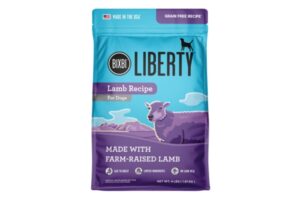
When you factor in the moderate ingredient quality and limited product range, the value proposition becomes less clear. Yes, it’s cheap. But you’re also getting a high-carb, grain-heavy formula with no specialty options. If you compare it to dog food from Bixbi, for example, you’ll pay 3-5 times more per pound, but you’ll also get higher protein, grain-free options, novel ingredients, and more transparency. Whether that’s worth it depends on your priorities and budget.
For owners who prioritize affordability and convenience over premium ingredients, Trader Joe’s offers solid value. For those who want ingredient traceability, life-stage formulas, or specialty diets, the savings aren’t worth the trade-offs.
This is where Trader Joe’s dog food becomes frustratingly opaque. The company does not disclose which facilities produce its dog food, where ingredients are sourced, or what third-party quality certifications (if any) are in place. There’s no HACCP certification listed, no ISO 22000, no SQF—none of the industry-standard quality assurances you’d expect from a brand serious about pet nutrition.
Trader Joe’s claims that all private-label products meet applicable safety standards and undergo internal testing, but specifics are not provided. There’s no publicly available information on batch testing for contaminants like mycotoxins, heavy metals, or pathogens. There’s no traceability system for ingredients, so if a problem did arise, it would be difficult to track the source.
On the positive side, there have been no recalls of Trader Joe’s dog food in the past decade. That’s a reassuring sign, but it doesn’t tell the whole story. The absence of recalls could mean rigorous quality control—or it could mean limited production volume and less scrutiny. Without transparency, it’s hard to say.
The discontinuation of the grain-free line due to “sourcing issues” also raises questions. If the supply chain was unstable enough to force a product line off the shelves, what does that say about the reliability of the remaining formulas? Trader Joe’s hasn’t provided details, so buyers are left to trust the brand name without much to back it up.
For owners who value ingredient traceability, third-party testing, and supply chain transparency, Trader Joe’s dog food doesn’t meet the bar. For those who trust the Trader Joe’s brand based on its overall grocery reputation and are willing to accept some unknowns, it may be enough.
Trader Joe’s has made some commitments to sustainability and ethical sourcing for its human food products—eliminating GMOs from private-label items, reducing plastic packaging, and supporting fair trade—but none of these initiatives are clearly extended to its pet food line. There’s no published information on sustainable ingredient sourcing, animal welfare standards for meat suppliers, or environmental impact assessments for dog food production.
Packaging for the dog food is standard—plastic bags, not marketed as recyclable or compostable. There are no trial sizes or eco-friendly packaging options. For a brand that’s built a reputation on being environmentally conscious in other categories, the lack of attention to sustainability in pet food is noticeable.
There’s also no transparency around animal testing. While Trader Joe’s has stated opposition to cruelty in some product categories, there’s no specific policy published for pet food. Given that the food is outsourced to third-party manufacturers, it’s unclear what standards—if any—are enforced.
If sustainability and ethics are important to you, Trader Joe’s dog food offers little to go on. You’re essentially buying on faith, without the data or certifications that would allow you to make an informed choice.
I work at a local dog shelter, and we’re always testing different foods to see how they perform with a variety of dogs—different breeds, ages, and backgrounds. For this review, I decided to try Trader Joe’s Premium Lamb Meal and Rice with a dog named Biscuit, a four-year-old mixed breed (we think she’s part Labrador, part something smaller and scruffier) who came to us about six months ago.
Biscuit is a sweet, easygoing dog with no major health issues. She’s not picky, but she’s also not a vacuum cleaner—she’ll eat most things, but she’s not obsessed with food the way some dogs are. She’d been on a mid-range grocery-store kibble before we switched her to Trader Joe’s, so this was a lateral move in terms of quality tier, not a dramatic upgrade or downgrade.
The transition went smoothly. We mixed the Trader Joe’s food with her old kibble over about a week, and she didn’t skip a beat. No digestive upset, no refusal, no drama. She ate it without hesitation from day one, which is always a good sign.
In terms of enthusiasm, Biscuit was… neutral. She didn’t act like it was the best thing she’d ever tasted, but she also didn’t turn her nose up at it. She ate her meals at a normal pace, cleaned her bowl, and moved on with her day. For a shelter dog who’s seen a lot of change, that kind of steady, unremarkable acceptance is actually ideal.
Over the three weeks she was on the food, I didn’t notice any dramatic changes. Her energy level stayed consistent—she’s a moderately active dog who enjoys a good walk but isn’t bouncing off the walls. Her coat looked fine, maybe a tiny bit shinier, but nothing that made me stop and think, “Wow, this food is doing wonders.” Her stools were normal—firm, consistent, easy to pick up. No gas, no bloating, no signs of digestive distress.
Take the free nutrition check and find out in under 1 minute which food is best tailored to your dog!
In just 60 seconds, find out which food fits your dog best — for free.
Honestly, the most accurate way to describe Biscuit’s experience with Trader Joe’s dog food is that it worked just fine. It didn’t solve problems she didn’t have, and it didn’t create new ones. For a dog without special needs, that’s exactly what you want from a mid-range kibble. It’s not a game-changer, but it’s reliable.
User reviews of Trader Joe’s dog food are generally positive but not glowing. On DogFoodAdvisor, the Premium formulas earn 3.5 out of 5 stars, which is described as “above average” for a mid-range product. The budget “Kibble” line scores just 2.5 stars and is not recommended due to lower meat content and higher plant-based fillers.
On specialty forums and review sites, the lamb formula gets the most praise. Owners frequently mention that their dogs eat it without issue, maintain healthy weight, and have good digestion. Several reviews specifically call out the affordability and convenience of picking it up during a grocery run. One owner wrote, “I’ve been using them for training my golden retriever, Muffin, and she seems to love the flavor. Price-wise they’re more affordable than other brands I’ve come across at the pet store.”
Negative feedback tends to focus on a few recurring themes. Some owners report their dogs won’t eat it or lose interest after a few weeks, though this is relatively rare. A handful of reviews mention digestive upset, usually diarrhea, especially in dogs with sensitive stomachs or when the transition is rushed. One owner noted, “My Heeler had horrible diarrhea about 10 minutes after eating and it lasted through the entire night. But my chichi is fine with them.”
There’s also frustration around inconsistent availability. Multiple reviews mention that the food is hard to find in certain stores or that it’s been discontinued temporarily, forcing owners to switch brands or make extra trips. One frustrated buyer said, “Loved these chews, but now they’re gone. My dog refuses other brands, and Trader Joe’s says they’re ‘limited.’ Frustrating!”
A few owners question the ingredient quality compared to premium brands. One review bluntly stated, “The kibble is pretty low quality… by-product meal, corn gluten, high carb. Not my first choice, but I buy it in a pinch.” It’s worth noting that this review may be referencing the discontinued budget line, not the Premium formulas, but the sentiment reflects a broader skepticism about Trader Joe’s positioning in the pet food market.
Overall, the consensus is that Trader Joe’s dog food is adequate for healthy adult dogs without special needs, but it’s not a standout. It’s the kind of food that works well enough that you don’t think about it—until it’s not available, and then you realize how limited your options are.
When you stack Trader Joe’s dog food up against competitors, a few things become clear. On price, it beats most mid-range and premium brands. A 15-pound bag for $16-$20 is cheaper than Blue Buffalo ($25-$30), Nutro ($22-$28), or Wellness ($30-$35) for similar sizes. It’s even competitive with big-box store brands like Kirkland, though Kirkland offers better value in larger bags.
On ingredient quality, Trader Joe’s is middle of the pack. It’s better than budget brands like Pedigree or Purina Dog Chow, which rely heavily on corn and by-products. But it’s not in the same league as premium brands like Orijen, Acana, or Bixbi, which feature higher protein, named meat sources, and no grain fillers.
Nutritionally, Trader Joe’s provides adequate but not optimized nutrition. At 26% protein and 14.6% fat (dry matter), it meets AAFCO standards but falls short of the 30-40% protein you’d find in performance or high-protein brands. The 53% carbohydrate content is typical for grain-inclusive kibbles but is a downside for owners seeking lower-carb options.
In terms of product range, Trader Joe’s is severely limited. With only two dry formulas and no puppy, senior, grain-free, or specialty options, it can’t compete with brands like Blue Buffalo, Purina Pro Plan, or Royal Canin, which offer dozens of formulas tailored to specific life stages, sizes, and health conditions.
Where Trader Joe’s does stand out is convenience for existing customers. If you’re already shopping at Trader Joe’s weekly, grabbing a bag of dog food is easy. But that convenience evaporates if your local store doesn’t carry it or if you need a formula they don’t make.
Compared to fresh food brands like The Farmer’s Dog, Ollie, or Nom Nom, Trader Joe’s is a completely different category. Fresh food offers higher digestibility, ingredient transparency, and customization, but at 3-5 times the cost. If you’re considering fresh food, Trader Joe’s isn’t a substitute—it’s a fallback.
Take the free nutrition check and find out in under 1 minute which food is best tailored to your dog!
In just 60 seconds, find out which food fits your dog best — for free.
Trader Joe’s dog food is best suited for healthy adult dogs with no special dietary needs or sensitivities. If your dog is a moderately active, medium-sized adult who tolerates grains well and doesn’t require a specialized diet, this food can work as a convenient, affordable option. It’s particularly practical for owners who already shop at Trader Joe’s regularly and want to simplify their routine by picking up dog food along with groceries.
It’s not suitable for puppies—there’s no formula designed for growth, and the nutritional profile doesn’t support the higher protein, fat, and calorie needs of developing dogs. It’s also not appropriate for senior dogs, who often benefit from lower calories, joint support, and adjusted nutrient ratios that aren’t present here.
If your dog is highly active or working, the moderate protein and fat levels won’t provide the energy density needed for sustained performance. And if your dog has grain or wheat sensitivities, allergies, or chronic health issues, this food is off the table—there are no grain-free, limited-ingredient, or therapeutic options available.
In short, this is a food for average, healthy adult dogs whose owners prioritize price and convenience over premium ingredients or specialized nutrition. If your dog fits that description, it’s worth a try. If not, you’ll need to look elsewhere.
Here’s my honest take: Trader Joe’s dog food is adequate but unremarkable. It’s not bad—there are no dangerous ingredients, no recalls, and most dogs seem to tolerate it fine. But it’s also not good in the way that premium brands are good. It’s a budget-friendly, convenience-driven product that gets the job done for dogs without special needs, but it doesn’t go beyond that.
The ingredient list is decent for the price. Named animal proteins, chelated minerals, and added omega fatty acids are all positives. But the high carbohydrate content, reliance on grains, and lack of ingredient transparency are downsides. The nutritional profile meets minimum standards but doesn’t optimize for health, performance, or longevity.
What really holds this food back is the lack of options and inconsistent availability. If you have a puppy, a senior dog, a dog with allergies, or a highly active breed, Trader Joe’s has nothing for you. And even if your dog fits the target demographic, you might not be able to find it reliably.
Would I buy this for my own dog? If I had a healthy adult dog with no special needs, a tight budget, and regular access to a Trader Joe’s store, yes—I’d consider it as a short-term or supplemental option. But I wouldn’t make it my long-term choice. There are better options at slightly higher price points that offer more protein, better ingredient transparency, and more reliable availability.
Would I recommend it to a friend? Only if they fit a very specific profile: budget-conscious, already shopping at Trader Joe’s, feeding a healthy adult dog, and not concerned about ingredient sourcing or specialty nutrition. For everyone else, I’d point them toward brands with more transparency, better nutritional profiles, and broader product ranges.
Trader Joe’s dog food is a decent fallback, but it’s not a destination. It’s the kind of food you grab when you’re already at the store and need something that works—not the kind you go out of your way to buy because it’s the best choice for your dog.
Take the free nutrition check and find out in under 1 minute which food is best tailored to your dog!
In just 60 seconds, find out which food fits your dog best — for free.
Trader Joe’s discontinued their entire grain-free dog food line in 2023-2024 due to what the company called “inconsistent availability and ongoing sourcing issues.” There were no recalls or safety concerns—just supply chain problems that led to a quiet exit from a category the brand was never heavily invested in. What remains are just two dry formulas: Premium Lamb Meal and Rice and Premium Chicken Meal and Rice.
Trader Joe’s doesn’t disclose where their dog food is manufactured or which facilities produce it. The company uses third-party co-packers but doesn’t provide information about production locations, ingredient sourcing, or quality control measures beyond meeting basic regulatory standards. This lack of transparency is a significant downside for owners who prioritize traceability.
No, Trader Joe’s dog food is only available in physical Trader Joe’s stores. There’s no online ordering, subscription service, or third-party retailers that carry it. This means if your local store doesn’t stock it or runs out, you’re out of luck until the next shipment arrives.
No, Trader Joe’s dog food is formulated for adult maintenance only. There are no puppy-specific formulas, and the nutritional profile doesn’t provide the higher protein, fat, and calorie content that growing puppies need. If you have a puppy, you’ll need to look elsewhere for age-appropriate nutrition.
Yes, both remaining Trader Joe’s formulas are grain-inclusive. The Premium Lamb Meal and Rice contains ground brown rice and whole wheat as primary ingredients. If your dog has grain sensitivities or you prefer grain-free options, Trader Joe’s no longer offers suitable alternatives since they discontinued their grain-free line.
Trader Joe’s dog food is quite affordable, typically costing $16-$20 for a 15-pound bag, which works out to roughly $1.07-$1.33 per pound. This is significantly cheaper than premium brands that often cost $2-$4 per pound, and it’s even competitive with mid-range options like Blue Buffalo or Nutro.
The Premium Lamb Meal and Rice formula contains 23% crude protein on an as-fed basis, or approximately 26% protein on a dry matter basis. While this meets AAFCO standards for adult maintenance, it’s on the lower end compared to premium brands that often provide 30-40% protein.
There have been no recalls of Trader Joe’s dog food in the past decade, which is reassuring. However, the lack of transparency about manufacturing facilities and quality control processes makes it difficult to fully assess the brand’s safety protocols compared to more transparent competitors.
It depends on the specific allergy. The lamb formula might work for dogs allergic to chicken or beef, but it contains whole wheat, making it unsuitable for dogs with grain or wheat sensitivities. There are no limited-ingredient or hypoallergenic formulas available, so options for allergic dogs are very limited.
Availability is inconsistent across Trader Joe’s locations. Not all stores carry the dog food line, and even stores that do stock it may run out frequently. The company’s focus on a limited, curated selection means pet food isn’t a priority category, leading to unreliable availability that frustrates many customers.
Only if your dog is a healthy adult with no special dietary needs, tolerates grains well, and you have reliable access to a Trader Joe’s that stocks it. While it’s affordable and adequate for basic nutrition, the high carbohydrate content, limited options, and supply chain issues make it more suitable as a short-term solution rather than a long-term feeding plan.
Trader Joe’s no longer offers their budget “Kibble” line—only the Premium formulas remain available. The Premium versions feature higher-quality ingredients like lamb meal and chelated minerals, while the discontinued budget line relied more heavily on plant-based fillers and scored poorly in reviews.
Take the free nutrition check and find out in under 1 minute which food is best tailored to your dog!
In just 60 seconds, find out which food fits your dog best — for free.
9 out of 10 dog owners are feeding their dog the wrong food.
Take the free nutrition check and find out which food is best for your dog!
2,847+ dog owners already did