9 out of 10 dog owners are feeding their dog the wrong food

Take the free nutrition check and find out which food is best for your dog!

Shelter manager, certified canine nutritionist, and lifelong dog lover
Take the free nutrition check and find out in under 1 minute which food is best tailored to your dog!
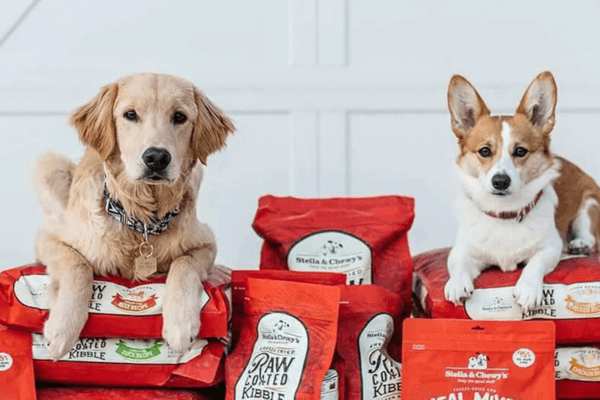
When Marie Moody adopted a sick dog named Chewy in the late 1990s, veterinary treatments weren’t helping. Out of desperation, she turned to a homemade raw diet—and watched Chewy transform. That personal experience became the foundation for Stella & Chewy’s, officially launched in 2003 in New York City. The brand started with frozen raw patties sold to neighborhood pet stores, then expanded into freeze-dried formats that made raw feeding more convenient for everyday dog owners.
Today, Stella & Chewy’s operates from a 160,000-square-foot facility in Oak Creek, Wisconsin, where all products are manufactured. The company remains privately owned, with founder Marie Moody serving as interim CEO in 2024 before Jay Thompson took over leadership. Despite corporate growth and national retail expansion—including partnerships with PetSmart, Petco, and Chewy—the brand maintains its original philosophy: high-quality, minimally processed nutrition that mirrors what dogs would eat in the wild.
The mission statement reflects this clearly: “To provide the highest quality natural pet food with an emphasis on nutrition, palatability, safety and convenience.” Stella & Chewy’s positions itself in the premium specialty segment, targeting health-conscious owners willing to invest in raw or raw-inspired diets. The brand also supports senior pet adoption through its Journey Home Fund, reinforcing a rescue-centered ethos that dates back to its founding story.
What sets Stella & Chewy’s apart in a crowded market is its focus on raw and freeze-dried formats rather than traditional kibble. While competitors like Blue Buffalo and Wellness offer natural ingredients in extruded kibble, Stella & Chewy’s built its reputation on patties and morsels that require minimal processing. This approach appeals to owners who view raw feeding as biologically appropriate but need the convenience of shelf-stable products.
The brand’s reputation is generally strong, with consistent 4-to-5-star ratings across major retailers and review platforms. There’s been only one recall in the past decade—a 2015 voluntary recall for potential Listeria contamination in a single batch of freeze-dried chicken patties. No illnesses were reported, and the company responded with enhanced environmental testing protocols. For a brand that deals with raw ingredients, this track record suggests solid quality control.
Stella & Chewy’s has also been transparent about addressing industry concerns, particularly the FDA’s investigation into grain-free diets and dilated cardiomyopathy (DCM). The brand introduced grain-inclusive options and added taurine supplementation across formulas, showing responsiveness to emerging research without abandoning its core raw-focused identity.
| Price per pound | $3.32 – $44 (varies by format) |
| Primary protein | Beef, Chicken, Lamb, Duck, Venison, Rabbit, Pork, Turkey, Fish |
| By-products | None (uses whole muscle meats and organs) |
| AAFCO compliance | Yes (All Life Stages) – formulation-based |
| Formula options | Multiple product lines (freeze-dried, kibble, wet, toppers) |
| Availability | National retail (PetSmart, Petco, Chewy) + specialty stores |
Take the free nutrition check and find out in under 1 minute which food is best tailored to your dog!
In just 60 seconds, find out which food fits your dog best — for free.
If you’re paying premium prices, you want to know exactly what you’re feeding. Stella & Chewy’s ingredient lists are refreshingly straightforward, but there are meaningful differences across product lines that affect both nutrition and cost.
These are the brand’s flagship products, and the ingredient panels reflect the raw-feeding philosophy. A typical recipe—let’s take the Stella’s Super Beef formula—lists beef, beef liver, beef kidney, beef heart, beef tripe, beef bone, pumpkin seed, organic cranberries, organic spinach, organic broccoli, organic beets, organic carrots, organic squash, and organic blueberries. The first eight ingredients are all animal-based, and the formula claims 95% meat, organs, and bone content.
What I find impressive about this formula is the inclusion of organ meats and bone, which provide natural sources of vitamins, minerals, and calcium without relying heavily on synthetic supplements. The remaining 5% comes from organic fruits and vegetables, which contribute fiber, antioxidants, and phytonutrients. There are no grains, potatoes, peas, or lentils—a deliberate choice that distinguishes these recipes from many grain-free kibbles that substitute grains with high levels of legumes.
The guaranteed analysis shows protein at 42%, fat at 35%, and fiber under 5%. For comparison, most premium kibbles hover around 28-32% protein and 14-18% fat. This is calorie-dense, nutrient-rich food designed to mirror the macronutrient profile of whole prey.
For owners who want convenience without abandoning the raw concept entirely, Stella & Chewy’s offers kibble formats. The Raw Coated Kibble features a traditional kibble core coated with freeze-dried raw, while the Raw Blend Kibble mixes kibble with freeze-dried morsels in the same bag.
Taking the Raw Coated Chicken Recipe as an example, the ingredient list starts with chicken, chicken meal, peas, lentils, chickpeas, chicken fat, and freeze-dried chicken. The inclusion of chicken meal—a concentrated protein source—boosts the overall protein content, but it also means this isn’t a purely whole-food product. The legumes (peas, lentils, chickpeas) serve as carbohydrate sources and binders, which is standard for grain-free kibble but worth noting for owners concerned about legume-heavy diets.
Nutritionally, these kibbles deliver around 32-35% protein and 15-18% fat, which is solid for premium kibble but notably lower than the freeze-dried lines. The raw coating adds palatability and some nutritional boost, but the bulk of the calories still come from the extruded kibble core.
Stella & Chewy’s wet options—marketed under names like Wild Red Stew and Gourmet Stews—emphasize high meat content and bone broth bases. A typical can lists ingredients like chicken, chicken bone broth, chicken liver, pumpkin, carrots, and blueberries. The moisture content sits around 78-82%, which is standard for wet food, but the protein levels are impressive for a canned product: 8-11% protein on an as-fed basis, translating to roughly 40-50% protein on a dry matter basis.
These stews work well as toppers or for dogs who need extra hydration, but feeding them as a sole diet gets expensive quickly. At roughly $9 per pound, you’d need multiple cans per day for a medium-sized dog, pushing monthly costs well above $200.
The brand’s topper line—including Marie’s Magical Dinner Dust and SuperBlends Meal Mixers—is designed to enhance palatability and add nutritional variety to existing meals. These are essentially pulverized freeze-dried ingredients (meat, organs, and produce) that you sprinkle over kibble or mix into wet food.
Ingredients are similar to the patties but in powdered form. SuperBlends adds functional ingredients like turmeric, coconut oil, and additional antioxidant-rich fruits. These aren’t complete meals on their own but serve as high-value supplements for picky eaters or dogs transitioning to new foods.
Stella & Chewy’s avoids several common kibble additives: no corn, wheat, soy, artificial colors, flavors, or preservatives. The brand uses natural preservatives like mixed tocopherols (vitamin E) to maintain freshness.
However, the kibble lines do contain legumes (peas, lentils, chickpeas), which have been scrutinized in the FDA’s DCM investigation. While the brand has added taurine and offers grain-inclusive options, the majority of kibble recipes remain grain-free with legume-based carbohydrates. If you’re concerned about this, the freeze-dried lines avoid legumes entirely.
One notable absence: no hydrolyzed protein or prescription-diet options. Stella & Chewy’s focuses on whole-food nutrition rather than therapeutic formulas, so dogs with severe allergies requiring hydrolyzed diets will need to look elsewhere.
Ingredient sourcing is a strength. The brand emphasizes USA-made products with responsibly sourced proteins, though specific farm or supplier details aren’t publicly disclosed. Compared to brands that use anonymous “meat meals” or overseas manufacturing, Stella & Chewy’s offers above-average transparency.
Premium ingredients mean little if the nutritional profile doesn’t support your dog’s health. Let’s look at what these formulas actually deliver in terms of macronutrients, bioavailability, and compliance with feeding standards.
Stella & Chewy’s freeze-dried formulas deliver 38-50% protein on a dry matter basis, depending on the recipe. This is significantly higher than AAFCO’s minimum requirement of 22.5% for adult maintenance and 22% for growth and reproduction. The protein comes primarily from whole muscle meats and organs, which have high biological value—meaning dogs can efficiently digest and utilize these proteins.
A 2023 digestibility study using a rooster assay (a standard model for evaluating pet food) found that raw and freeze-dried diets showed higher amino acid digestibility than extruded kibble. While this study wasn’t dog-specific, it supports the brand’s claim that minimal processing preserves nutrient availability. For active dogs, growing puppies, or seniors losing muscle mass, this protein density offers real advantages.
The kibble lines provide 30-35% protein, which is still above average for dry food but closer to other premium brands like Orijen or Acana. The difference comes from the inclusion of chicken meal (a concentrated but processed protein) and the lower overall meat content compared to freeze-dried formats.
Fat levels in Stella & Chewy’s products are notably high: 30-38% in freeze-dried formulas and 14-18% in kibble. Fat provides energy, supports skin and coat health, and enhances palatability, but these levels may be too rich for sedentary dogs or those prone to pancreatitis.
The brand includes salmon oil and other omega-3 sources in most recipes, though specific omega-6 to omega-3 ratios aren’t always disclosed. Ideally, you want a ratio between 5:1 and 10:1 to support anti-inflammatory processes. Based on ingredient lists, Stella & Chewy’s likely falls within this range, but precise data would strengthen their transparency.
Freeze-dried recipes are extremely low in carbohydrates—estimated at 8-12% on a dry matter basis. The small amount comes from organic vegetables and fruits, which also provide fiber (typically under 5%). This low-carb profile aligns with the brand’s ancestral-diet philosophy and may benefit dogs with diabetes or weight management needs.
Kibble formulas contain 30-35% carbohydrates, primarily from legumes like peas and lentils. While this is lower than grain-based kibbles (which can hit 40-50% carbs), it’s still a significant departure from the freeze-dried lines. Fiber content sits around 4-6%, which supports digestive health without causing excessive stool volume.
Because Stella & Chewy’s emphasizes whole foods, many vitamins and minerals come from natural sources like organ meats, bone, and vegetables. Liver provides vitamin A, heart offers taurine, and bone supplies calcium and phosphorus. This is nutritionally superior to synthetic supplementation alone, as whole-food nutrients often come with cofactors that enhance absorption.
That said, the brand does add synthetic vitamins and chelated minerals to ensure AAFCO compliance. This is standard practice and necessary for complete and balanced nutrition, especially in freeze-dried products where processing can degrade some nutrients.
Functional ingredients include:
While these additions are beneficial, the brand doesn’t publish dosage levels or clinical evidence for specific health outcomes. This is common across the industry, but it means you’re trusting the formulation rather than seeing proven results.
All Stella & Chewy’s products meet AAFCO nutritional profiles for All Life Stages, meaning they’re formulated to support puppies, adults, and seniors. However, most formulas achieve this through nutrient profiling rather than feeding trials. Feeding trials are more rigorous—they involve feeding the food to real dogs over months and monitoring health outcomes—but they’re expensive and less common for raw diets due to safety concerns.
Formulation-based compliance is perfectly acceptable and meets regulatory standards, but it’s worth noting that some competitors (like Hill’s or Royal Canin) rely more heavily on feeding trials. If you prioritize empirical testing, this is a minor consideration.
Take the free nutrition check and find out in under 1 minute which food is best tailored to your dog!
In just 60 seconds, find out which food fits your dog best — for free.
Stella & Chewy’s isn’t a one-size-fits-all solution. The brand’s high protein, high fat, and raw-focused approach works brilliantly for certain dogs and less so for others.
Picky eaters and food-motivated dogs: The palatability of freeze-dried raw is exceptional. If your dog turns their nose up at kibble, the rich aroma and meat-forward taste of Stella & Chewy’s often changes the game. Multiple reviews mention dogs who “flip out” at mealtime or finally show enthusiasm for food.
Active and working dogs: High-energy dogs burn through calories quickly, and the calorie density of freeze-dried formulas (around 5,000 kcal/kg) means you feed smaller portions for the same energy output. The elevated protein and fat support muscle maintenance and endurance.
Dogs with sensitive digestion or food intolerances: The limited ingredient approach—especially in single-protein freeze-dried recipes like rabbit or lamb—reduces the likelihood of triggering sensitivities. The absence of grains, artificial additives, and common fillers also helps dogs with delicate stomachs.
Dogs needing coat and skin support: Owners consistently report shinier coats and reduced itching after switching to Stella & Chewy’s. The omega-3 content and whole-food nutrition likely contribute to these improvements.
Puppies and growing dogs: The high protein and fat levels support rapid growth, and the All Life Stages formulation meets AAFCO standards for puppies. Just be mindful of portion sizes to avoid overfeeding, as the calorie density can lead to excessive weight gain if not carefully managed.
Seniors with reduced appetites: Older dogs often eat less, so nutrient-dense food ensures they still get adequate nutrition in smaller servings. The high digestibility also eases the workload on aging digestive systems.
Dogs prone to pancreatitis or fat intolerance: The freeze-dried formulas contain 30-38% fat, which can trigger pancreatitis in susceptible dogs. If your dog has a history of digestive upset from rich foods, start with the kibble lines (14-18% fat) or consider a different brand entirely.
Overweight or sedentary dogs: The calorie density of freeze-dried products makes it easy to overfeed. A couch-potato dog doesn’t need 5,000 kcal/kg food, and the high fat content can contribute to weight gain. The kibble options are more appropriate for less active dogs.
Dogs requiring prescription or therapeutic diets: Stella & Chewy’s doesn’t offer veterinary-exclusive formulas for conditions like kidney disease, liver issues, or severe allergies requiring hydrolyzed protein. If your dog needs a prescription diet, stick with brands like Hill’s, Royal Canin, or Purina Pro Plan Veterinary Diets.
Budget-conscious owners with large dogs: Feeding a 70-pound dog exclusively on freeze-dried patties can cost $300-400 per month. If cost is a primary concern, mixing Stella & Chewy’s as a topper with a more affordable kibble makes more sense.
Households without freezer space: While freeze-dried products are shelf-stable, the frozen raw options require dedicated freezer storage. If you’re tight on space, this limits your product choices.
One of the most consistent themes in owner feedback is that dogs love this food. The freeze-dried patties and morsels have a strong, meaty aroma that’s immediately appealing to most dogs. Owners describe their pets becoming visibly excited at mealtime, which is a stark contrast to the indifference many dogs show toward standard kibble.
The brand offers a wide variety of proteins—beef, chicken, lamb, duck, venison, rabbit, pork, turkey, and fish—allowing you to rotate flavors and prevent food boredom. This variety also helps if your dog develops sensitivities to a particular protein over time.
Transitioning to Stella & Chewy’s requires care. Because the food is so rich, switching abruptly can cause digestive upset—loose stools, gas, or even vomiting. The recommended approach is to gradually mix increasing amounts over 7-10 days, starting with 25% Stella & Chewy’s and 75% old food, then shifting the ratio every few days. One owner learned this the hard way, describing their dog’s digestive system as going on “a roller coaster ride” after switching cold turkey.
Feeding convenience varies by format. Freeze-dried patties and morsels can be fed as-is, crumbled over other food, or rehydrated with water or broth. Rehydration takes just a few minutes and can make the food more palatable for dogs who prefer wet textures. The kibble options are straightforward—scoop and serve—though the raw coating can leave a slight residue on your hands.
Portion sizes are smaller than you might expect due to calorie density. A 50-pound dog might need only 1-1.5 cups of freeze-dried food per day, compared to 3-4 cups of traditional kibble. This means a 14-ounce bag lasts longer than it looks, though it still works out to a premium daily cost.
Stool quality often improves on Stella & Chewy’s, with owners reporting smaller, firmer stools due to high digestibility. Less waste going in means less waste coming out, which is a practical benefit beyond nutrition.
Let’s be direct: Stella & Chewy’s is expensive. Whether it’s worth the cost depends on your dog’s needs and your budget flexibility.
As of late 2025, here’s what you can expect to pay at major retailers like Chewy, Amazon, and Petco:
For context, mainstream premium kibbles like Blue Buffalo or Wellness typically cost $2-3/lb, while ultra-premium options like Orijen run $4-5/lb. Stella & Chewy’s freeze-dried products are in a different pricing tier entirely, closer to fresh or human-grade brands like The Farmer’s Dog or Nom Nom.
Let’s calculate what it actually costs to feed a dog exclusively on Stella & Chewy’s:
These estimates assume full feeding. Many owners use freeze-dried as a topper or mixer (10-25% of the meal), which dramatically reduces costs while still providing nutritional and palatability benefits. A 14-ounce bag used as a topper can last a medium dog 2-3 weeks, bringing monthly costs down to $50-75 plus the base kibble expense.
When you calculate cost per 1,000 kcal—a more accurate way to compare foods—Stella & Chewy’s freeze-dried products cost $6-8 per 1,000 kcal, while the kibble runs $1.10-1.50 per 1,000 kcal. For comparison:
Stella & Chewy’s freeze-dried is the most expensive option per calorie, but it’s competitive with other raw or fresh brands. The kibble offers better value and sits in the upper-mid range of premium dry foods.
If you’re committed to Stella & Chewy’s but want to manage costs:
Take the free nutrition check and find out in under 1 minute which food is best tailored to your dog!
In just 60 seconds, find out which food fits your dog best — for free.
Production transparency matters, especially for raw products where contamination risks are higher. Stella & Chewy’s manufactures all products at its single facility in Oak Creek, Wisconsin, which gives the brand direct control over quality and consistency.
The freeze-dried products undergo High Pressure Processing (HPP), a cold-pasteurization method that uses extreme pressure to eliminate pathogens like Salmonella and Listeria without cooking the food. This preserves the nutritional integrity of raw ingredients while meeting safety standards. After HPP, the food is freeze-dried to remove moisture, creating a shelf-stable product that retains the benefits of raw feeding.
The kibble lines use traditional extrusion—cooking at high temperatures to form kibble pieces—then coating them with freeze-dried raw. This hybrid approach attempts to bridge convenience and raw nutrition, though the extrusion process does degrade some nutrients compared to freeze-drying.
In 2022, Stella & Chewy’s upgraded their patty-forming equipment to reduce crumbling and improve consistency. The company explicitly stated that no recipe changes were made, only process improvements. Some customers noticed slight color variations post-upgrade, but this was due to the new forming method rather than ingredient changes.
Stella & Chewy’s holds several food safety certifications:
These certifications indicate that the facility follows rigorous protocols for contamination prevention, traceability, and quality assurance. The brand conducts environmental testing for Listeria and other pathogens, particularly after the 2015 recall prompted enhanced monitoring.
However, the brand does not publish third-party lab results or Clean Label Project scores, which would provide independent verification of heavy metal levels, mycotoxins, or pesticide residues. This is a missed opportunity for transparency, especially given the premium positioning.
Stella & Chewy’s emphasizes USA-made products with responsibly sourced proteins, but specific supplier or farm details aren’t disclosed. You know the meat is sourced domestically, but you don’t know which farms or what their animal welfare practices look like. Compared to brands like The Honest Kitchen or Open Farm—which provide detailed sourcing transparency—Stella & Chewy’s falls short here.
Batch traceability exists, meaning each package can be traced back to a specific production date and lot. This is standard for food safety but reassuring nonetheless.
Stella & Chewy’s has had one voluntary recall in the past decade: a July 2015 recall of Chewy’s Chicken Freeze-Dried Dinner Patties (Lot #111-15) due to potential Listeria contamination. No illnesses were reported, and the recall was limited to a single batch. The cause was traced to further processing after HPP, which introduced contamination risk.
In response, the company enhanced environmental testing and modified handling protocols. Since then, there have been no additional recalls, which is a strong safety record for a brand dealing with raw ingredients. For comparison, many mainstream brands have multiple recalls over the same period.
Sustainability and ethics are increasingly important to pet owners, but Stella & Chewy’s performance here is mixed.
The brand uses USA-raised meats and organic produce, which generally implies better animal welfare and environmental standards than factory-farmed or overseas ingredients. However, without third-party certifications (like Certified Humane or Global Animal Partnership ratings), it’s hard to verify specific welfare practices.
The inclusion of organ meats and bone is a form of nose-to-tail eating, which reduces waste by using parts of the animal that might otherwise be discarded. This is more sustainable than muscle-meat-only products.
Stella & Chewy’s uses resealable plastic/laminate bags for freeze-dried products and aluminum cans for wet food. The cans are recyclable, but the bags are not currently compostable or recyclable through standard municipal programs. One reviewer specifically mentioned wishing the packaging were more eco-friendly.
The brand hasn’t published sustainability goals or data on carbon footprint, water usage, or waste reduction, which is a significant gap compared to competitors like Open Farm or The Honest Kitchen.
Stella & Chewy’s does not conduct animal testing beyond standard palatability and digestibility assessments, which is typical for the industry. The brand’s origin story centers on rescue and adoption, and it supports senior pet adoption through the Journey Home Fund, which reflects a pro-animal welfare ethos.
However, there’s no formal animal welfare policy or certification disclosed, so you’re relying on the brand’s stated values rather than verified practices.
I volunteer at a local animal shelter where we occasionally test different dog foods with our residents, particularly when we’re looking for options that might appeal to dogs who’ve lost interest in eating due to stress or health issues. When a shipment of Stella & Chewy’s Freeze-Dried Chicken Dinner Patties arrived as a donation, we decided to try it with a dog named Hank.
Hank is a seven-year-old Beagle mix who came to us after his owner passed away. He’d been eating the same grocery-store kibble his whole life and wasn’t particularly excited about it—typical Beagle food motivation, but without the enthusiasm. He was also dealing with some minor skin irritation, likely stress-related, and had put on a few extra pounds over the years.
We started by crumbling a small amount of the freeze-dried chicken over his regular kibble. The reaction was immediate. Hank, who usually took his time meandering over to his bowl, trotted over the moment we set it down. He sniffed once, then ate with more focus than we’d seen in weeks. The staff joked that we’d finally found the key to Hank’s heart.
Over the next two weeks, we gradually increased the Stella & Chewy’s portion while decreasing the old kibble. Hank’s enthusiasm never wavered. He’d hear the bag crinkle from across the room and come running, which was a nice change from his usual indifference. His stools became noticeably smaller and firmer, which made cleanup easier and suggested better digestibility.
The skin irritation didn’t clear up entirely—stress doesn’t resolve that quickly—but we did notice his coat looking a bit shinier after about ten days. It wasn’t a dramatic transformation, but there was a subtle improvement in texture and sheen. He also seemed slightly more energetic during playtime, though it’s hard to say if that was the food or just him settling into shelter life.
The main challenge was cost. At shelter scale, feeding even one dog exclusively on freeze-dried is tough on the budget, so we ended up using it as a topper mixed with a more affordable premium kibble. That compromise still gave Hank the palatability boost without breaking the bank, and he continued to eat eagerly.
Hank was eventually adopted by a retired couple who were thrilled to hear he’d been eating well. They asked for the food brand so they could continue it, which speaks to how much of a difference it made in his daily routine. For a dog who’d lost his home and his person, having something to look forward to at mealtime seemed to matter.
Stella & Chewy’s maintains strong ratings across major platforms—typically 4.0-4.3 stars out of 5—with particularly high marks for palatability and ingredient quality. Let’s break down what real users consistently mention.
Palatability is the standout strength. Owners repeatedly describe dogs who “flip out” when the bag comes out or “gulp down everything” regardless of flavor. A rescue professional who’s used the brand for years called it “consistently the best brand for picky eaters and sensitive stomachs.” One owner of a normally finicky boxer mix noted their dog “refuses nothing” when it’s Stella & Chewy’s.
Coat and skin improvements are frequently mentioned. A cat owner (the brand makes cat food too) reported their pet’s fur “grew back shiny and flake-free” after switching. Dog owners note shinier coats and reduced itching, particularly for pets with food sensitivities.
Digestive benefits are common. Many users report improved stool quality—smaller, firmer, and less frequent. Dogs with previously sensitive stomachs often do well on the single-protein freeze-dried formulas. One owner emphasized that their dog “has no issues with Stella & Chewy’s due to its single source meat and quality.”
Weight and energy improvements also appear. A cat owner reported their underweight pet “put on 6 lbs” with better muscle tone. Dog owners mention increased energy and enthusiasm, with pets becoming more engaged at mealtimes and during play.
Value perception is generally positive despite high costs. Representative quotes include “Expensive? Yes. Worth it? Also yes” and “Pricier than normal kibble but honestly, seeing as how much [my dog] enjoys it and considering all the health benefits—totally worth every penny.” Owners who prioritize quality over price tend to view the cost as justified.
Price is the most common complaint. Cost concerns appear in roughly 30-40% of critical reviews. One detailed comparison found that feeding Stella & Chewy’s dinner morsels to a small dog cost approximately $250/month, compared to $193 for a competing fresh-food brand. Owners of large dogs or multiple-dog households find the costs prohibitive.
Digestive transition issues occur when owners switch too quickly. One reviewer described their dog’s digestive system going on “a roller coaster ride” after switching abruptly to freeze-dried food. This seems to reflect user error rather than a product flaw, but it’s a practical challenge worth noting.
Packaging and sustainability concerns are minor but present. One owner wished “their packaging was a little more eco-friendly,” though this wasn’t a dealbreaker.
The freeze-dried patties and morsels receive the highest praise, with Dog Food Advisor rating them at 4 stars overall and individual recipes ranging from 3-5 stars. The Wild Red Variety Pack earned 4.3 out of 5 stars based on 726 customer ratings on Chewy.
The Raw Coated Kibble also performs well, with owners appreciating the convenience of traditional kibble with raw benefits. Some note that the raw coating can be messy, leaving residue on hands or bowls.
Wet stews are popular for hydration and as toppers but less commonly used as exclusive diets due to cost.
Multi-year customers are common. One rescue professional stated: “We’ve been using this brand for YEARS for our pets and have never once had an issue with the product.” This suggests strong retention among owners who can afford the price and whose dogs thrive on the food.
One owner directly compared Stella & Chewy’s to The Farmer’s Dog and found the latter preferable due to better customization, lower cost, and higher palatability for their specific picky eaters. However, they noted that Stella & Chewy’s offered greater convenience (no defrosting required) and easier procurement at local stores.
Take the free nutrition check and find out in under 1 minute which food is best tailored to your dog!
In just 60 seconds, find out which food fits your dog best — for free.
To understand where Stella & Chewy’s fits in the market, it helps to compare it directly to similar brands across key dimensions.
Primal Pet Foods is Stella & Chewy’s closest competitor. Both focus on raw and freeze-dried formats with high meat content and minimal processing. Primal emphasizes pasture-raised and cage-free sourcing with more detailed transparency about farms and suppliers. Pricing is similar ($8-14/lb for freeze-dried), and both brands have excellent safety records. If sourcing transparency is your priority, Primal has an edge; if you value widespread retail availability, Stella & Chewy’s is easier to find.
The Honest Kitchen offers human-grade, dehydrated food rather than freeze-dried. The dehydration process is gentler than extrusion but requires rehydration before feeding. The Honest Kitchen provides more detailed ingredient sourcing and sustainability data, but the food requires more prep time. Pricing is comparable, and both brands target health-conscious owners.
Instinct (Nature’s Variety) offers both raw and kibble options with a focus on cage-free and farm-raised meats. Instinct’s kibble is slightly less expensive than Stella & Chewy’s, and the brand has a broader product range including wet food and treats. However, Instinct has had more recalls over the past decade, which may concern safety-focused owners.
Orijen and Acana (Champion Petfoods) represent ultra-premium kibble with biologically appropriate formulations. Orijen uses human-grade ingredients and transparent sourcing, with protein levels comparable to Stella & Chewy’s kibble (30-35%). The key difference is format: Orijen is extruded kibble, while Stella & Chewy’s offers raw-coated options. Orijen costs $4-5/lb, making it more affordable than freeze-dried but pricier than most kibbles. If you want premium nutrition in traditional kibble form, Orijen is excellent; if you prefer raw elements, Stella & Chewy’s is the better choice.
Blue Buffalo targets the mainstream natural market with grain-free and natural options at $3-4/lb. Blue Buffalo uses more meat meals and by-products than Stella & Chewy’s, and the protein content is lower (24-28%). Blue Buffalo has had several recalls over the years, though none recently. If budget is a concern and you’re okay with slightly lower ingredient quality, Blue Buffalo offers decent value; if you prioritize whole meats and minimal processing, Stella & Chewy’s is worth the premium.
The Farmer’s Dog, Nom Nom, and Ollie offer fresh, gently cooked food delivered to your door. These brands provide customized portions based on your dog’s profile, which Stella & Chewy’s doesn’t. Costs are comparable to freeze-dried Stella & Chewy’s ($4-6 per 1,000 kcal), but fresh brands require freezer space and thawing. If you value customization and truly fresh (not freeze-dried) food, these brands are excellent; if you prefer shelf-stable convenience and wider retail availability, Stella & Chewy’s is more practical. Curious how Stella & Chewy’s compares to fresh alternatives? Read our detailed Farmer’s Dog review to see how gently cooked meals stack up against freeze-dried nutrition.
Hill’s Prescription Diet, Royal Canin Veterinary Diet, and Purina Pro Plan Veterinary Diets dominate the therapeutic market. These brands offer prescription formulas for specific health conditions like kidney disease, food allergies, or digestive disorders, backed by extensive feeding trials and veterinary endorsement. Stella & Chewy’s doesn’t compete in this space—it’s not designed for medical management. If your dog has a diagnosed health condition requiring a prescription diet, stick with veterinary brands. If your dog is healthy and you want preventive, high-quality nutrition, Stella & Chewy’s is a strong choice.
After analyzing the ingredients, nutritional science, safety record, and real-world feedback, here’s my take: Stella & Chewy’s delivers on its promise of high-quality, minimally processed nutrition, but it’s not the right fit for every dog or every budget.
The freeze-dried formulas are genuinely impressive. The 95% meat, organs, and bone content is rare in the industry, and the minimal processing preserves nutrient bioavailability better than extrusion. If your dog is a picky eater, has food sensitivities, or needs calorie-dense nutrition due to high activity or weight restoration, the freeze-dried lines are among the best options available. The palatability is unmatched, and the digestive benefits—smaller, firmer stools and reduced sensitivities—are consistently reported.
However, the price is a real barrier. At $6-8 per 1,000 kcal, feeding a medium or large dog exclusively on freeze-dried is a significant monthly expense. For many owners, using it as a topper or mixer makes more sense financially while still providing benefits. The kibble lines offer better value and are competitive with other premium brands, though they don’t have the same whole-food appeal as the freeze-dried products.
The brand’s transparency is above average but not exceptional. I’d like to see third-party lab results for heavy metals and contaminants, more detailed sourcing information (specific farms, animal welfare certifications), and published sustainability data. These gaps don’t disqualify the brand, but they prevent it from being best-in-class for transparency.
The safety record is solid—only one minor recall in a decade—which is reassuring for a raw-focused brand. The quality control certifications and USA-based manufacturing add credibility.
Would I buy this for my dog? Yes, if I could afford it and my dog needed what it offers. For a picky eater, a dog with sensitivities, or a high-energy working dog, I’d absolutely recommend trying Stella & Chewy’s. For a healthy, average-activity dog with no special needs, I’d probably opt for a high-quality kibble like Orijen or a mixed approach using Stella & Chewy’s as a topper. For a dog with diagnosed health issues, I’d follow veterinary guidance and stick with prescription diets.
Would I recommend it to a friend? It depends on their situation. If they’re frustrated with picky eating or dealing with food sensitivities, I’d say absolutely try it—start with a small bag or variety pack to test acceptance. If they’re budget-conscious or have a large dog, I’d suggest using it strategically as a topper rather than exclusive food. If they want the best possible nutrition and can afford it, the freeze-dried lines are hard to beat.
Stella & Chewy’s isn’t perfect, but it’s a genuinely high-quality brand that delivers real benefits for the right dogs. The key is understanding whether your dog falls into that category and whether the cost aligns with your priorities. For many owners, the answer will be yes—and their dogs will thank them for it.
Take the free nutrition check and find out in under 1 minute which food is best tailored to your dog!
In just 60 seconds, find out which food fits your dog best — for free.
Feeding amounts depend on your dog’s weight, activity level, and the specific product. For freeze-dried formulas, expect to feed significantly less than traditional kibble due to calorie density. A 50-pound dog typically needs only 1-1.5 cups per day of freeze-dried food, compared to 3-4 cups of regular kibble. Start with the feeding guidelines on the package and adjust based on your dog’s body condition. Since freeze-dried products contain around 5,000 kcal/kg, it’s easy to overfeed, so measure carefully and monitor your dog’s weight.
Yes, all Stella & Chewy’s formulas meet AAFCO standards for All Life Stages, making them suitable for puppies, adults, and seniors. The high protein (38-50%) and fat (30-38%) content in freeze-dried formulas actually supports rapid puppy growth well. However, be extra careful with portion control since the calorie density can lead to excessive weight gain if overfed. Monitor your puppy’s body condition closely and adjust portions as needed during their growth phases.
No, you don’t need to add water—freeze-dried patties and morsels can be fed as-is. However, many owners choose to rehydrate the food with warm water or bone broth, which takes just a few minutes and can make it more appealing to dogs who prefer wet textures. Rehydration also helps with hydration, especially for dogs who don’t drink enough water. You can also crumble the freeze-dried pieces over other food as a topper without any preparation.
Yes, the brand has maintained an excellent safety record since the single voluntary recall in 2015 for potential Listeria contamination. No illnesses were reported from that incident, and the company responded by enhancing environmental testing protocols and modifying handling procedures. For a raw-focused brand, having only one minor recall in a decade is actually impressive. The company holds multiple food safety certifications including HACCP, ISO 22000, and SQF, indicating rigorous quality control standards.
The high cost reflects several factors: premium whole-food ingredients (95% meat, organs, and bone in freeze-dried formulas), minimal processing that preserves nutrients, USA-based manufacturing, and extensive safety testing. Freeze-dried products also require specialized equipment and longer production times compared to extruded kibble. While expensive per pound, the calorie density means you feed smaller portions, so cost-per-feeding is more reasonable. Many owners find the palatability and health benefits justify the premium price.
Stella & Chewy’s can help with food sensitivities and intolerances, particularly the single-protein freeze-dried formulas like rabbit or lamb. The limited ingredient lists and absence of common allergens (grains, artificial additives, fillers) reduce the likelihood of triggering reactions. However, for dogs with severe allergies requiring hydrolyzed protein, you’ll need a veterinary prescription diet instead. If your dog has diagnosed allergies, consult your vet before switching to any new food, including Stella & Chewy’s.
Transition gradually over 7-10 days to avoid digestive upset, as this food is much richer than most kibbles. Start with 25% Stella & Chewy’s mixed with 75% current food for 2-3 days, then shift to 50/50, then 75/25, and finally 100% new food. Some dogs may need an even slower transition, especially if they have sensitive stomachs. If you notice loose stools or vomiting, slow down the transition process and give your dog’s system more time to adjust.
Freeze-dried patties and morsels are best for picky eaters, dogs with sensitivities, or those needing calorie-dense nutrition. Raw Coated Kibble offers convenience with some raw benefits at a lower cost. Wet stews work well as toppers or for dogs needing extra hydration. Meal toppers and mixers are perfect for enhancing palatability of other foods. Consider your dog’s specific needs, your budget, and convenience preferences when choosing.
Most Stella & Chewy’s formulas are grain-free, but the brand has responded to DCM concerns by adding taurine supplementation and offering some grain-inclusive options. The freeze-dried formulas are extremely low in legumes (which were implicated in the FDA investigation), getting carbohydrates mainly from vegetables and fruits. If you’re concerned about DCM, discuss your dog’s individual risk factors with your vet and consider the brand’s grain-inclusive kibble options or other brands entirely.
Freeze-dried products stay fresh for 30 days after opening when stored in a cool, dry place with the bag properly sealed. The resealable packaging helps maintain freshness. Kibble typically stays fresh for 6 weeks after opening. Always check the “best by” date and store in the original packaging rather than transferring to other containers, which can introduce moisture and reduce shelf life. If you notice any off odors or changes in appearance, discard the food.
Absolutely, and this is a cost-effective way to get many of the benefits without the full expense. Use freeze-dried products as 10-25% of the meal, mixed with a high-quality kibble. This approach dramatically reduces costs while still providing palatability enhancement and nutritional benefits. Many owners find this strategy works well for picky eaters or as a way to add variety to their dog’s diet without breaking the budget.
Both brands focus on raw and freeze-dried formats with high meat content and minimal processing. Primal emphasizes more detailed sourcing transparency with specific information about farms and animal welfare practices. Stella & Chewy’s has wider retail availability and slightly more product variety. Pricing and nutritional profiles are very similar. Both have excellent safety records. Your choice might come down to availability in your area and whether detailed sourcing transparency is important to you.
Take the free nutrition check and find out in under 1 minute which food is best tailored to your dog!
In just 60 seconds, find out which food fits your dog best — for free.
9 out of 10 dog owners are feeding their dog the wrong food.
Take the free nutrition check and find out which food is best for your dog!
2,847+ dog owners already did