9 out of 10 dog owners are feeding their dog the wrong food

Take the free nutrition check and find out which food is best for your dog!

Shelter manager, certified canine nutritionist, and lifelong dog lover
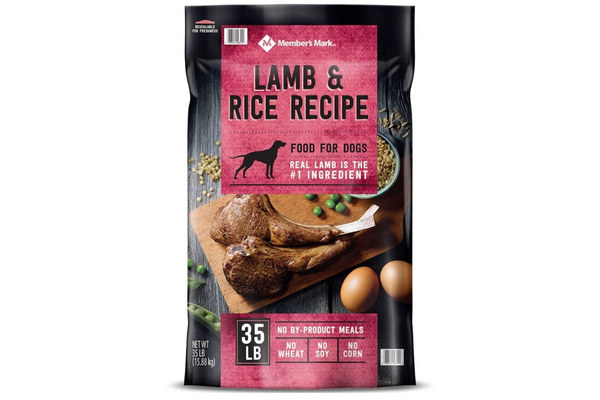
• Member’s Mark delivers solid mainstream nutrition at exceptional value – approximately $1.09-$1.57 per pound with real meat as first ingredient, glucosamine, and omega fatty acids from fish meal.
• Multiple Salmonella recalls in 2023 raise quality control concerns at manufacturing facilities, plus user reports of formula changes affecting palatability and consistency batch-to-batch.
• Best suited for healthy adult dogs without special dietary needs in multi-dog households or budget-conscious owners seeking better-than-grocery-store quality without premium prices.
• Palatability is generally strong with 60-70% of users reporting improved coat quality, though 15-20% of dogs refuse the food entirely, particularly the salmon formula.
• Limited transparency and specialization compared to premium brands – no novel proteins, limited sourcing details, or veterinary prescription options, positioning it firmly in the value-oriented market segment.
Take the free nutrition check and find out in under 1 minute which food is best tailored to your dog!
Walking through Sam’s Club with a cart full of bulk staples, you’ve probably noticed those towering stacks of Member’s Mark dog food near the pet aisle. The price per pound catches your eye—significantly lower than what you’d pay at a specialty pet store—but the bags are big, and switching your dog’s food isn’t a decision to make lightly. I’ve spent considerable time analyzing what’s actually inside these bags, how they’re made, and what real dog owners experience after making the switch. What I found is a brand that delivers solid value for mainstream nutrition, but with some important caveats depending on your dog’s specific needs.
Member’s Mark is Sam’s Club’s exclusive private label brand, owned by retail giant Walmart Inc. The line launched in the mid-2000s as part of Sam’s Club’s broader strategy to offer quality comparable to national brands at significantly lower prices through bulk packaging and streamlined distribution. Unlike boutique pet food companies with origin stories about passionate founders and rescued shelter dogs, Member’s Mark is unapologetically a warehouse club product—designed to deliver reliable nutrition at a price point that makes sense for families with multiple dogs or tight budgets.
The brand’s core positioning centers on real meat as the first ingredient, high protein content, and freedom from artificial flavors or colors. Sam’s Club has recently pushed its entire Member’s Mark line toward cleaner formulations through a “Made Without” initiative, removing over 40 ingredients including artificial colors, high fructose corn syrup, and certain preservatives by the end of 2025. As of mid-2025, 96% of Member’s Mark products meet these new standards, and all new launches adhere to them from day one.
In terms of market positioning, Member’s Mark sits firmly in the value-oriented segment—above bottom-tier grocery store brands like Ol’ Roy or Kibbles ‘N Bits, but below premium specialty brands like Orijen, Blue Buffalo, or Taste of the Wild. The brand doesn’t pretend to compete on ingredient sourcing transparency or exotic protein varieties. Instead, it focuses on delivering AAFCO-compliant nutrition with recognizable ingredients at roughly $1.20 to $2.00 per pound, which is 22-26% below average retail pricing for comparable formulas.
The company’s reputation is solid if unspectacular. There have been multiple Salmonella-related recalls in 2023 affecting chicken, beef, and salmon formulas manufactured at facilities in Texas, as well as a recall of beef stick treats due to potential metal contamination. These incidents weren’t unique to Member’s Mark—they were part of broader recalls affecting multiple brands produced by the same contract manufacturer, Mid America Pet Food. Sam’s Club responded with voluntary recalls and proper FDA communication, but the frequency of these events does raise questions about quality control at the manufacturing level.
What Member’s Mark offers is practical, no-frills nutrition for dogs without special dietary needs. If you’re looking for limited-ingredient formulas, novel proteins, veterinary prescription diets, or breed-specific recipes, you won’t find them here. The brand serves mainstream dog owners who want their pets to eat better than grocery store kibble without paying specialty store prices.
The Member’s Mark Chicken and Brown Rice Recipe—the brand’s flagship formula—lists chicken as the first ingredient, followed by chicken meal. This is a solid start. Whole chicken provides high-quality protein and moisture, while chicken meal is a concentrated protein source (essentially chicken with water and fat removed) that contributes significantly to the overall protein content of 28%.
The Lamb and Brown Rice formula uses pasture-raised lamb as the first ingredient, with chicken meal as the second. This is worth noting if you’re considering this formula for a dog with poultry sensitivities—the presence of chicken meal means it’s not truly poultry-free. The grain-free Chicken and Vegetable formula relies on chicken and pea protein, pushing the protein content to 34%, though pea protein is a plant-based source with a different amino acid profile than animal proteins.
What you won’t find in Member’s Mark formulas are by-products, rendered meats, or anonymous “meat meal”. The brand clearly identifies its protein sources, which is reassuring for ingredient-conscious owners.
The grain-inclusive formulas use brown rice and barley as primary carbohydrate sources. Brown rice is a digestible whole grain that provides energy without the allergenic potential of corn or wheat (both absent from Member’s Mark recipes). Barley adds fiber and has a lower glycemic index than white rice, helping to stabilize blood sugar.
The grain-free formula substitutes sweet potatoes and peas for traditional grains. While these are popular grain alternatives, it’s worth remembering that the FDA has investigated a potential link between grain-free diets (particularly those heavy in legumes like peas and lentils) and dilated cardiomyopathy (DCM) in certain dog breeds. The research is ongoing and inconclusive, but it’s something to discuss with your veterinarian if you’re considering grain-free feeding for a breed known to be at risk.
Member’s Mark formulas include chicken fat and menhaden fish meal as primary fat sources. Chicken fat is highly digestible and palatable to most dogs, while menhaden fish meal provides omega-3 fatty acids (EPA and DHA) that support skin health, coat quality, and anti-inflammatory processes. The inclusion of fish meal is a positive feature not always found in value-priced foods.
Fat content ranges from 14-15% across formulas, which is moderate and appropriate for most adult dogs with normal activity levels. Active or working dogs might benefit from slightly higher fat content, while less active or weight-prone dogs would do well with these levels.
The formulas include glucosamine and chondroitin for joint support—ingredients typically associated with premium or senior-specific foods. While the exact amounts aren’t disclosed (they rarely are on standard kibble), their presence suggests attention to long-term musculoskeletal health.
You’ll also find added vitamins and minerals to meet AAFCO requirements, plus prebiotics for digestive health. The formulas avoid artificial preservatives, instead using natural options like mixed tocopherols (vitamin E) to maintain freshness.
The ingredient lists are straightforward but not particularly innovative. There are no probiotics, novel proteins, superfoods, or specialty ingredients you might find in premium brands. The sourcing transparency is limited—you know the protein is chicken or lamb, but not where it comes from or how it was raised.
The grain-free formula’s reliance on pea protein to boost protein percentages is a common industry practice, but plant proteins don’t provide the complete amino acid profile that animal proteins do. This isn’t a dealbreaker for most dogs, but it’s worth noting if you’re comparing protein quality across brands.
| Price per pound | $1.09 – $1.57 |
| Primary protein | Chicken, Lamb, Beef, Salmon |
| By-products | None |
| AAFCO compliance | Yes (formulated to meet profiles) |
| Formula options | 7+ formulas (grain-inclusive, grain-free, puppy, large breed) |
| Availability | Sam’s Club stores only (membership required) |
Take the free nutrition check and find out in under 1 minute which food is best tailored to your dog!
In just 60 seconds, find out which food fits your dog best — for free.
Member’s Mark formulas meet or exceed AAFCO nutritional standards for all life stages, though they’re formulated to meet profiles rather than tested through feeding trials. This is an important distinction—feeding trials provide stronger evidence that a food actually sustains dogs over time, while formulation compliance means the recipe theoretically contains the right nutrients in the right amounts.
The Chicken and Brown Rice formula delivers approximately 28% protein, 14% fat, and an estimated 40-50% carbohydrates (calculated by difference, as carbs aren’t required to be listed). At roughly 355 kcal per cup, it’s moderately calorie-dense—suitable for average adult dogs but potentially requiring larger portions for highly active dogs.
The Lamb and Brown Rice formula offers 26% protein and 14% fat, with a higher calorie density of about 411 kcal per cup. This makes it a good choice for dogs who need to maintain or gain weight, though the lower protein percentage compared to the chicken formula is notable.
The Grain-Free Chicken and Vegetable formula pushes protein to 34% and fat to 15%, creating a higher-protein, higher-calorie food appropriate for active adult dogs. The grain-free positioning appeals to owners who believe their dogs do better without grains, though for most dogs, grains aren’t problematic.
The guaranteed analysis shows adequate levels of calcium and phosphorus for bone health, with the Large Breed formula specifically calibrated for the slower growth needs of large-breed puppies and adults. Omega-6 to omega-3 ratios aren’t disclosed, but the inclusion of both chicken fat and fish meal suggests a reasonable balance.
Vitamin and mineral supplementation meets AAFCO minimums, though without detailed disclosure it’s impossible to know if levels are optimized for particular health benefits beyond basic adequacy. This is typical for mid-market foods—you’re getting what’s required, not necessarily what’s ideal.
Guaranteed analysis percentages only tell part of the story. Digestibility, bioavailability, and ingredient quality significantly impact how much nutrition your dog actually absorbs. Member’s Mark doesn’t publish digestibility studies or amino acid profiles, so we’re left making educated guesses based on ingredient quality.
The use of whole meats and identified meat meals suggests moderate biological value—better than generic by-products or plant-heavy formulas, but not at the level of brands that emphasize human-grade ingredients or publish detailed nutritional research.
Member’s Mark works well for healthy adult dogs with no special dietary needs. If your dog has a normal activity level, maintains a healthy weight easily, has no food sensitivities, and you’re looking for better nutrition than grocery store brands without paying premium prices, these formulas are a sensible choice.
The brand is particularly well-suited for multi-dog households where bulk purchasing provides significant savings. If you’re feeding three or four dogs, the difference between $1.50 per pound and $4.00 per pound adds up quickly over a year.
The Sensitive Stomach Small Breed formula targets smaller dogs with digestive sensitivities, using oatmeal for gentle fiber and smaller kibble sizes. If you have a small dog who tends toward loose stools or occasional upset stomach, this formula is worth trying.
The Large Breed Beef and Barley formula is designed for dogs over 50 pounds, with appropriate calcium and phosphorus levels to support joint health without encouraging too-rapid growth in puppies. For owners of Labs, Goldens, German Shepherds, and similar breeds, this formula provides breed-appropriate nutrition at a fraction of the cost of specialty large-breed foods.
Member’s Mark isn’t suitable for dogs with confirmed food allergies or sensitivities. The brand doesn’t offer true limited-ingredient diets, novel proteins, or hydrolyzed protein formulas. If your dog has been diagnosed with a chicken allergy, even the lamb formula won’t work because it contains chicken meal.
Senior dogs with specific health concerns may need more targeted nutrition than Member’s Mark provides. While the glucosamine and chondroitin are helpful for joint support, dogs with kidney disease, heart conditions, or other age-related issues typically require veterinary prescription diets with carefully calibrated protein, phosphorus, and sodium levels.
If your dog is a very picky eater or has a history of refusing foods, the somewhat larger kibble size and straightforward flavors may not appeal. Premium brands often invest more in palatability enhancers and varied textures to entice finicky dogs.
The grain-free formula isn’t recommended for breeds at higher risk of DCM (dilated cardiomyopathy), including Golden Retrievers, Labrador Retrievers, Cocker Spaniels, and several others, unless specifically advised by your veterinarian. The potential link between grain-free diets and heart disease is still being studied, but it’s a risk worth avoiding if your dog doesn’t have a demonstrated need for grain-free feeding.
The Puppy Chicken and Brown Rice formula is the only life-stage-specific option, formulated for growth. However, user reviews are mixed, with some puppies refusing the food. If you’re raising a puppy, you might want to start with a small bag or be prepared to switch brands if your pup doesn’t take to it.
There’s no dedicated senior formula, though the adult formulas are labeled as appropriate for all life stages. For many senior dogs this is fine, but those with age-related health issues or reduced activity levels may benefit from a formula specifically designed for their needs.
Palatability is consistently mentioned as a strength in user reviews. Multiple owners report their dogs “finish meals eagerly” and “chomp it right down every time.” One Golden Retriever owner specifically noted their notoriously picky breed took to the food immediately, while another mentioned their dog liked it so much they didn’t need to do a gradual transition.
The salmon formula receives more mixed reviews, with some owners reporting their dogs refused it entirely and one describing it as smelling “like a fishing dock.” This isn’t unusual—fish-based foods tend to be more polarizing than poultry or beef options.
Approximately 15-20% of reviewers report their dogs didn’t like the food or refused to eat it, which is actually a fairly typical rejection rate for any dog food brand. Every dog has individual preferences, and no food appeals to 100% of dogs.
The kibble is described as slightly larger than average, which several owners noted could be problematic for small breeds or dogs with dental issues. On the flip side, the size is appropriate for medium to large dogs and may provide some mechanical teeth-cleaning benefits during chewing.
The texture is standard dry kibble—not particularly crunchy, according to one reviewer who mentioned being “proactive about dental hygiene” because the food isn’t especially abrasive. This is common for mid-market foods, which typically don’t have the specialized textures or coatings found in premium dental-focused formulas.
The large bag sizes (20-35 pounds) are both a benefit and a drawback. For multi-dog households or owners of large breeds, the bulk packaging means fewer trips to the store and better value. For owners of small dogs or those with limited storage space, a 35-pound bag takes up considerable room and may go stale before it’s finished if feeding only one small dog.
Multiple reviewers mention the convenience of picking up dog food during regular Sam’s Club shopping trips, which streamlines errands and eliminates separate pet store runs. However, the exclusive Sam’s Club availability means you need a membership, and if you run out unexpectedly, you can’t just grab a bag at any pet store.
Member’s Mark prices are consistently among the lowest in the national retail market for comparable formulas. The Chicken and Brown Rice formula costs approximately $38 for a 35-pound bag, or about $1.09 per pound. Compare this to premium brands like Orijen, which typically run $5-7 per pound, or even mid-range options like Purina Pro Plan at $2-3 per pound.
The Lamb and Brown Rice formula is more expensive at $55 for 35 pounds ($1.57/lb), reflecting the higher cost of lamb as a protein source. The Grain-Free formula runs about $40 for 28 pounds ($1.43/lb), commanding a premium for the grain-free positioning despite no proven health benefits for most dogs.
For a 50-pound dog eating approximately 3 cups per day, the Chicken and Brown Rice formula would cost roughly $1.20-1.50 per day to feed, or $36-45 per month. That’s a fraction of what you’d spend on fresh food services like The Farmer’s Dog or Ollie, which typically run $150-250 per month for a similar-sized dog.
The value proposition is strong if you’re comparing Member’s Mark to grocery store brands or even some mid-range pet store options. You’re getting real meat as the first ingredient, no by-products, added glucosamine and chondroitin, and omega fatty acids at a price point that’s hard to beat.
However, when you compare Member’s Mark to true premium brands, the gaps become apparent. You’re not getting human-grade ingredients, detailed sourcing transparency, published feeding trials, or innovative formulations. The protein sources are quality but not exceptional, the digestibility is adequate but not optimized, and the nutritional profile meets standards without exceeding them.
What I find is that Member’s Mark delivers exactly what it promises: solid, mainstream nutrition at a warehouse-club price. If your expectations align with what you’re paying, you’ll likely feel good about the value. If you’re hoping for premium-level quality at a budget price, you’ll be disappointed.
Take the free nutrition check and find out in under 1 minute which food is best tailored to your dog!
In just 60 seconds, find out which food fits your dog best — for free.
Member’s Mark dog food is manufactured through contract partners, with Mid America Pet Food identified as a primary producer. The foods are made in the USA, which is clearly stated on packaging, but specific facility locations and detailed quality control protocols aren’t publicly disclosed.
This lack of transparency is typical for private-label brands but frustrating for owners who want to know exactly where their dog’s food comes from. Premium brands like Orijen openly share their kitchen locations, ingredient sourcing regions, and processing methods. Member’s Mark offers the basics—”Made in USA” and “meets AAFCO standards”—but little beyond that.
The multiple Salmonella recalls in 2023 raise legitimate concerns about quality control at the manufacturing level. These recalls affected Member’s Mark Chicken and Rice, Beef and Brown Rice, and Salmon and Sweet Potato formulas, all traced back to facilities in Texas operated by Mid America Pet Food.
Salmonella contamination is a serious food safety issue that can sicken both dogs and humans who handle contaminated food. While Sam’s Club responded appropriately with voluntary recalls and FDA communication, the fact that multiple incidents occurred within a single year suggests systemic quality control issues at the manufacturing partner level rather than isolated events.
It’s worth noting these recalls weren’t unique to Member’s Mark—other brands produced at the same facilities were also affected, including Victor, Wayne Feeds, and Eagle Mountain. This indicates the problem lies with the contract manufacturer’s processes rather than Sam’s Club’s formulations.
There’s no public information about ISO certification, HACCP protocols, third-party audits, or detailed testing procedures. We don’t know how often ingredients are tested for contaminants, what the facility inspection scores are, or what specific quality measures are in place.
For owners who prioritize transparency and want to know their dog’s food comes from facilities with rigorous, documented quality standards, this opacity is a significant drawback. For budget-focused owners who trust that meeting AAFCO standards and FDA regulations is sufficient, it may not be a dealbreaker.
Sam’s Club has made general corporate commitments to sustainability, including waste reduction and energy efficiency across its operations. The broader Walmart organization publishes sustainability updates, but there’s no detailed information specific to Member’s Mark dog food regarding ingredient sourcing practices, carbon footprint, or environmental impact.
The brand doesn’t offer sustainable seafood certifications, organic ingredients, or transparency about farming practices for its meat sources. Packaging is standard plastic bags without apparent recycling programs or biodegradable options.
There’s also no published animal welfare policy for Member’s Mark pet food. We don’t know if the chicken is free-range, if the lamb is grass-fed beyond the “pasture-raised” claim, or what standards are required of protein suppliers.
For owners who prioritize environmental impact and ethical sourcing, Member’s Mark doesn’t provide the information or commitments you’d find with brands like Orijen (which emphasizes regional, sustainable sourcing) or smaller specialty brands with detailed ESG reporting. If sustainability is a secondary concern compared to price and basic quality, this may not matter much to you.
I work at a local dog shelter, and we’re always looking for affordable, nutritious food options that work for a variety of dogs with different backgrounds and needs. When Member’s Mark came up as a potential option for our feeding program, I decided to test it with one of our longer-term residents: a three-year-old mixed breed named Copper.
Copper is about 45 pounds, with what looks like some Australian Shepherd and maybe Lab in his background—floppy ears, a rusty-brown coat, and the kind of alert, intelligent expression that makes you think he’s always plotting something. He came to us about four months ago after his owner passed away, and while he’s sweet and well-mannered, he’s been a bit picky about food. Not dramatically so—he eats what we give him—but without much enthusiasm. We’d been feeding him a mid-range grocery store brand that he tolerated but never seemed excited about.
I switched Copper to the Member’s Mark Chicken and Brown Rice formula using a gradual transition over about ten days. His first reaction was… pretty much nothing remarkable. He sniffed the bowl, ate his portion at his usual moderate pace, and went about his day. No tail-wagging excitement, but no refusal either—which is actually fine for shelter dogs who’ve learned to accept whatever food comes their way.
Over the next three weeks, I kept an eye on the practical markers that matter: his stool quality, coat condition, energy level, and whether he seemed to enjoy meals more. His stools firmed up a bit compared to the previous food—not dramatically, but noticeably more consistent and easier to clean up during yard time. For a shelter environment where we’re managing multiple dogs, that’s a real quality-of-life improvement for staff.
His coat started looking slightly shinier after about two weeks—not a dramatic transformation, but enough that one of the volunteers commented that he looked healthier. Whether that was the omega fatty acids from the fish meal or just the overall better ingredient quality compared to his previous food, I can’t say for certain, but the timing lined up.
Energy-wise, Copper stayed pretty much the same—he’s always been a moderately active dog who enjoys his walks and play sessions but isn’t bouncing off the walls. The higher protein content didn’t noticeably change his activity level, which is what I’d expect for an adult dog who was already eating adequate nutrition.
The one practical note: Copper never showed the kind of mealtime enthusiasm I’ve seen some dogs display with premium foods. He ate his portions reliably and cleaned his bowl, but there was no racing to the bowl or whining in anticipation. For a shelter dog, consistent eating without refusal is actually a win—we’re not looking for gourmet-level excitement, just reliable acceptance.
What this test told me is that Member’s Mark is a solid, workable food for healthy adult dogs without special needs. It didn’t create any problems, it provided visible if modest improvements in coat and stool quality, and Copper maintained good body condition throughout. It’s not a food that transforms dogs or creates dramatic before-and-after stories, but it does the job reliably—which for a budget-conscious shelter environment is exactly what we need.
User reviews consistently mention improved coat quality as the most common benefit, with approximately 60-70% of positive reviews specifically noting shinier, healthier-looking coats after a few weeks on Member’s Mark. Owners describe coats as “glossier than ever,” “shinier and vibrant,” and “looking healthier.”
Digestive tolerance is generally good, with most users reporting normal digestion and no upset stomach during transition. However, a subset of approximately 10-15% of reviewers mention loose stools or diarrhea, particularly with certain formulas. One owner reported their dog “threw it all up” and had diarrhea for three days after eating the salmon formula.
Energy levels are frequently noted as improved, particularly related to the protein content. Owners describe their dogs as “happily energetic,” with “energy levels up high,” and one mentioned their dog giving “squirrels in the backyard a run for their nuts”—a colorful way of describing increased playfulness.
Multiple users report veterinary approval of the ingredient list and their dogs’ condition while eating Member’s Mark. One owner mentioned bringing the ingredient list to their vet for review and receiving “a nod of approval,” while another said their vet commented on their dog’s improved coat quality.
This suggests that veterinarians view Member’s Mark as adequate nutrition for healthy dogs, even if it’s not what they’d recommend for dogs with specific health concerns requiring therapeutic diets.
Food refusal is the most significant negative pattern, affecting roughly 15-20% of dogs. Some owners report their dogs “won’t eat it at all” or that puppies specifically refuse the puppy formula. This is actually a fairly typical rejection rate—no food appeals universally—but it’s worth noting if you’re considering a bulk purchase.
There are concerning reports of formula changes affecting quality and acceptance. One detailed review noted that “something was changed about this dog food within the past few months,” with larger pellets and increased scratching and skin issues in their dog. Another mentioned their dogs “used to eat it up” but suddenly “barely pick at it after 3 days.”
If these reports are accurate, they suggest inconsistency in formulation or ingredient sourcing that could affect your dog’s experience even if initial bags work well. This is a red flag worth monitoring if you decide to feed Member’s Mark long-term.
Several owners of multiple dogs report success feeding Member’s Mark across dogs of different sizes and ages. One owner with four dogs (two over 50 pounds, two under 25 pounds) noted all dogs “do great on this food” and maintain healthy weights. For families managing multiple pets, the bulk pricing combined with broad acceptance makes Member’s Mark an attractive option.
Since ingredient quality and nutritional philosophy vary so widely across price points, it’s useful to see how Member’s Mark stacks up against a premium competitor. If you’re deciding between value and premium nutrition, understanding what you gain—and what you give up—at different price points helps you make an informed choice. Not sure whether to choose Member’s Mark or Orijen? Read our detailed Orijen dog food review here.
Orijen uses human-grade, fresh regional meats and fish as primary ingredients, with detailed transparency about sourcing locations and farming practices. Their formulas include fresh chicken, turkey, eggs, and whole fish, with no meat meals or by-products. Member’s Mark uses identified meats and meat meals (chicken, chicken meal, lamb) that are quality but not human-grade, with limited sourcing transparency beyond “Made in USA.”
In practical terms, this means Orijen’s protein sources are more digestible and bioavailable, with higher biological value. You’re paying for ingredient quality that’s a significant step above Member’s Mark, though whether your dog needs that level of quality depends on their individual health and your priorities.
Orijen formulas deliver 38-42% protein and 15-18% fat, creating a high-protein, high-calorie food that mimics a dog’s ancestral diet. Member’s Mark ranges from 26-34% protein and 14-15% fat, which meets AAFCO standards comfortably but doesn’t approach Orijen’s protein density.
For active, working, or performance dogs, Orijen’s higher protein and fat content may provide noticeable benefits in muscle maintenance and energy. For average house dogs with normal activity levels, Member’s Mark’s protein levels are perfectly adequate.
This is where the difference becomes stark. Orijen costs $5-7 per pound, roughly 4-6 times the cost of Member’s Mark’s $1.09-1.57 per pound. For a 50-pound dog, you’re looking at approximately $200-300 per month to feed Orijen versus $36-50 per month for Member’s Mark.
That price difference buys you superior ingredient quality, higher digestibility, better sourcing transparency, and more robust nutritional profiles. Whether those benefits justify 5-6 times the cost is a personal decision based on your budget, your dog’s needs, and your values regarding pet food quality.
Choose Orijen if you have performance dogs, working breeds, dogs with sensitive digestion, or if you simply prioritize the highest possible ingredient quality and can afford the premium price. Choose Member’s Mark if you’re feeding healthy adult dogs with normal activity levels, managing multiple dogs on a budget, or want better-than-grocery-store quality without specialty store prices.
Both foods will keep your dog healthy if they’re a good match for your dog’s needs. The question is whether the incremental benefits of Orijen justify the substantial price difference for your particular situation.
Take the free nutrition check and find out in under 1 minute which food is best tailored to your dog!
In just 60 seconds, find out which food fits your dog best — for free.
Even though some owners report successful immediate switches, I recommend a gradual transition over 7-10 days to minimize digestive upset. Start with 25% Member’s Mark mixed with 75% of your current food for the first 2-3 days, then move to 50/50 for days 4-6, then 75% Member’s Mark for days 7-9, and finally 100% Member’s Mark by day 10.
Monitor your dog’s stool consistency throughout the transition. If you notice loose stools, slow down the transition and stay at the current ratio for an extra few days before increasing the proportion of new food.
The feeding guidelines on the bag are starting points, not prescriptions. Every dog’s metabolism, activity level, and caloric needs vary. Start with the recommended amount based on your dog’s current weight, then adjust based on body condition over 2-3 weeks.
You should be able to feel your dog’s ribs easily but not see them prominently, and they should have a visible waist when viewed from above. If your dog is gaining weight, reduce portions by 10-15%. If they’re losing weight or seem constantly hungry, increase portions slightly.
The large bag sizes mean you need to store food properly to prevent staleness and rancidity. Keep the bag sealed in a cool, dry place, ideally in an airtight container. For small dogs eating slowly through a 35-pound bag, consider transferring portions to smaller containers and freezing the remainder to maintain freshness.
Check the bag for a best-by date and use the food within 6-8 weeks of opening for optimal freshness and nutrient retention.
Here’s my honest take: Member’s Mark is a solid, value-oriented dog food that does exactly what it promises—delivers mainstream nutrition with recognizable ingredients at warehouse-club prices. It’s not exceptional, it’s not innovative, and it’s not going to win awards for ingredient sourcing or nutritional optimization. But for healthy adult dogs without special dietary needs, it provides adequate nutrition that meets industry standards without breaking your budget.
The protein sources are legitimate—real chicken, lamb, and identified meat meals rather than by-products or vague “meat” listings. The inclusion of glucosamine, chondroitin, and omega fatty acids from fish meal puts it a step above basic grocery store brands. The price-per-pound is genuinely hard to beat for what you’re getting.
However, I have real concerns about the multiple Salmonella recalls in 2023 and reports of formula changes affecting quality and acceptance. These aren’t dealbreakers for everyone, but they’re red flags that suggest quality control issues at the manufacturing level and potential inconsistency batch-to-batch.
Would I feed this to my own dog? If I had a healthy adult dog with no sensitivities and I was on a tight budget or managing multiple dogs, yes—with the caveat that I’d monitor closely for any changes in quality or acceptance and be prepared to switch brands if needed. If I had a dog with food allergies, chronic digestive issues, or a breed at risk for DCM and I was considering the grain-free formula, no—I’d invest in a more specialized diet with better transparency and quality control.
Would I recommend it to a friend? Yes, with clear expectations. I’d say: “This is good value for mainstream nutrition. It’s not premium quality, but it’s better than grocery store brands and significantly cheaper than specialty foods. Try it if your dog is healthy and you’re budget-conscious, but pay attention to how your individual dog responds and don’t assume every bag will be identical to the last.”
The reality is that Member’s Mark occupies a useful middle ground in the pet food market. It’s not the best food available, but it’s far from the worst, and for many dog owners, the combination of adequate quality and exceptional value makes it a rational choice. Just go in with your eyes open about what you’re getting—and what you’re not.
Take the free nutrition check and find out in under 1 minute which food is best tailored to your dog!
In just 60 seconds, find out which food fits your dog best — for free.
Take the free nutrition check and find out in under 1 minute which food is best tailored to your dog!
In just 60 seconds, find out which food fits your dog best — for free.
Yes, Member’s Mark dog food is manufactured in the United States, which is clearly stated on the packaging. However, the brand doesn’t provide detailed information about specific facility locations or ingredient sourcing regions beyond the “Made in USA” designation. The food is produced through contract manufacturing partners, with Mid America Pet Food identified as a primary producer.
Member’s Mark positions itself in the value-oriented segment, focusing on delivering AAFCO-compliant nutrition at roughly $1.20 to $2.00 per pound—about 22-26% below average retail pricing. While it uses real meat as the first ingredient and avoids by-products, it doesn’t offer the ingredient sourcing transparency, novel proteins, or specialized formulations you’d find in premium brands. You’re getting solid, mainstream nutrition without the bells and whistles of specialty foods.
Member’s Mark offers a Puppy Chicken and Brown Rice formula that’s formulated for growth and meets AAFCO standards for all life stages. However, user reviews are mixed, with some puppies refusing the food. If you’re raising a puppy, consider starting with a smaller bag to test acceptance, and be prepared to switch brands if your pup doesn’t take to it. For large breed puppies, their Large Breed formula is specifically calibrated for slower growth needs.
Member’s Mark experienced multiple Salmonella-related recalls in 2023 affecting chicken, beef, and salmon formulas, all traced back to facilities operated by contract manufacturer Mid America Pet Food. These weren’t isolated to Member’s Mark—other brands produced at the same facilities were also affected. While Sam’s Club responded appropriately with voluntary recalls, the frequency suggests quality control issues at the manufacturing partner level rather than with the formulations themselves.
The grain-free formula uses sweet potatoes and peas instead of traditional grains, but the FDA has investigated a potential link between grain-free diets heavy in legumes and dilated cardiomyopathy (DCM) in certain dog breeds. The research is ongoing and inconclusive, but it’s not recommended for breeds at higher DCM risk (Golden Retrievers, Labrador Retrievers, Cocker Spaniels) unless specifically advised by your veterinarian. Most dogs don’t need grain-free diets unless they have diagnosed grain sensitivities.
For a 50-pound dog eating approximately 3 cups per day, a 35-pound bag lasts roughly 6-8 weeks. Smaller dogs will obviously take longer to finish a bag—a 20-pound dog might take 3-4 months. Keep in mind that large bag sizes require proper storage to maintain freshness, and you should use opened food within 6-8 weeks for optimal quality.
No, Member’s Mark isn’t suitable for dogs with confirmed food allergies or sensitivities. The brand doesn’t offer true limited-ingredient diets or novel proteins. Even the lamb formula contains chicken meal, so it won’t work for dogs with poultry allergies. If your dog has been diagnosed with food allergies, you’ll need a veterinary prescription diet or specialty limited-ingredient formula.
Yes, Member’s Mark is Sam’s Club’s exclusive private label brand, so you need a membership to purchase it. This can be inconvenient if you run out unexpectedly, since you can’t just grab a bag at any pet store. However, many owners appreciate the convenience of picking up dog food during regular warehouse shopping trips.
Member’s Mark is positioned above basic grocery store brands in terms of ingredient quality and nutritional profile. It uses real meat as the first ingredient, avoids by-products and artificial colors, and includes beneficial additives like glucosamine and omega fatty acids that aren’t typically found in budget grocery store foods. The price point is competitive with mid-range grocery options while offering better ingredient quality.
Several users have reported formula changes affecting quality and acceptance, with dogs that previously enjoyed the food suddenly refusing it. Some mention changes in kibble size, smell, or their dog’s reaction to recent batches. This suggests potential inconsistency in formulation or ingredient sourcing. If this happens, try a fresh bag from a different lot number, and if the problem persists, consider switching brands.
Member’s Mark doesn’t offer a dedicated senior formula, though the adult formulas are labeled as appropriate for all life stages. For healthy senior dogs, the inclusion of glucosamine and chondroitin for joint support is beneficial. However, senior dogs with specific health concerns like kidney disease, heart conditions, or reduced activity levels typically require veterinary prescription diets with carefully calibrated protein, phosphorus, and sodium levels that Member’s Mark doesn’t provide.
Yes, even though some owners report successful immediate switches, a gradual transition over 7-10 days is recommended to minimize digestive upset. Start with 25% Member’s Mark mixed with 75% of your current food for 2-3 days, then move to 50/50, then 75% Member’s Mark, and finally 100% by day 10. Monitor stool consistency throughout the transition and slow down if you notice any digestive issues.
Take the free nutrition check and find out in under 1 minute which food is best tailored to your dog!
In just 60 seconds, find out which food fits your dog best — for free.
9 out of 10 dog owners are feeding their dog the wrong food.
Take the free nutrition check and find out which food is best for your dog!
2,847+ dog owners already did