9 out of 10 dog owners are feeding their dog the wrong food

Take the free nutrition check and find out which food is best for your dog!

Shelter manager, certified canine nutritionist, and lifelong dog lover
Fresh meat commitment: Liberty uses deboned meat as the first ingredient in every formula, completely avoiding meat meals and rendered by-products unlike most competitors.
Digestive improvements: Most dogs show firmer stools and reduced gas within two weeks, with shelter dog Maisie demonstrating typical positive digestive response during testing.
Mid-premium positioning: At $3-4 per pound, Liberty offers cleaner ingredients than budget brands while remaining significantly cheaper than fresh food options costing $10+ per pound.
Clean safety record: No recalls since 2020 launch and consistently positive user reviews averaging 4.5-4.8 stars across major retailers like Chewy.
Limited specialization: Missing senior formulas, prescription options, and severe allergy solutions that competitors like Hill’s or Royal Canin provide for specific health conditions.
Take the free nutrition check and find out in under 1 minute which food is best tailored to your dog!
When you’re standing in the pet food aisle—or scrolling through pages of kibble on your laptop at midnight—Liberty catches your eye because it doesn’t look like the usual suspects. No flashy cartoon dogs, no vague promises of “wholesome goodness.” Instead, you get straightforward packaging, a short ingredient list you can actually pronounce, and a company story that emphasizes real meat, minimal processing, and no shortcuts. BIXBI, the Colorado-based company behind Liberty, launched this line in October 2020 with a clear mission: make premium, meat-first dog food accessible to owners who care about ingredients but don’t want to take out a second mortgage to feed their dogs. Since then, Liberty has quietly built a reputation among ingredient-conscious buyers who want transparency without the boutique price tag of brands like Orijen or Acana.
Liberty is the brainchild of James Crouch, founder and CEO of BIXBI Pet. The company is privately held, operates out of Boulder, Colorado, and has built its identity around a nutrition-first philosophy that prioritizes ingredient integrity over flashy marketing. BIXBI’s broader portfolio includes supplements and functional treats, but Liberty is the flagship dry and wet food line designed to compete directly with mid-premium brands like Blue Buffalo and Taste of the Wild—without the meat meals, fillers, or mystery proteins that plague so many competitors.
The core promise is simple: fresh, USDA-inspected meat as the first ingredient, no powdered meat meals, no corn or soy, and no artificial preservatives. BIXBI emphasizes thoughtful sourcing from human-edible processing facilities in the U.S., though they don’t publish farm-level traceability or third-party audit reports. The brand positions itself as the answer for owners who want clean labels and digestibility without paying ultra-premium prices. It’s a smart niche—premium enough to feel like an upgrade from grocery-store brands, accessible enough that you don’t need a Costco membership or a subscription service to afford it.
Liberty sits squarely in the mid-premium segment, priced around $3 to $4 per pound for dry food depending on bag size and retailer. That puts it below boutique brands like The Farmer’s Dog or Nom Nom (which can run $10+ per pound for fresh food), but above mass-market options like Purina Pro Plan or Hill’s Science Diet. It’s available nationally through independent pet stores, Whole Foods, Chewy, and Amazon—so you’re not hunting down obscure distributors or dealing with long shipping delays.
The brand has earned solid reviews from independent pet food analysts. Dog Food Advisor, a widely respected third-party review site, rates Liberty dry formulas highly for ingredient quality and transparency, though they note the brand lacks the extensive feeding trial data and veterinary endorsements you’ll find with Hill’s or Royal Canin. There’s no recall history as of late 2025, which is a meaningful point in Liberty’s favor—especially when you compare it to larger manufacturers with checkered safety records.
Consumer sentiment skews positive. On Chewy, Liberty formulas average around 4.5 to 4.8 stars, with owners frequently praising palatability, digestive tolerance, and visible improvements in coat and stool quality. Complaints tend to center on price increases, occasional picky-eater refusals, and the fact that some dogs simply don’t respond well to grain-free formulas. But there’s no pattern of widespread dissatisfaction or quality decline—Liberty has maintained a steady reputation since launch.
| Price per pound | $3.00 – $4.00 |
| Primary protein | Fresh deboned chicken, beef, turkey, lamb, salmon |
| By-products | None – no meat meals or by-products |
| AAFCO compliance | Yes – formulated to meet AAFCO standards (no feeding trials) |
| Formula options | 8 dry formulas + wet food (grain-free & grain-inclusive options) |
| Availability | Specialty pet stores, Whole Foods, Chewy, Amazon |
Take the free nutrition check and find out in under 1 minute which food is best tailored to your dog!
In just 60 seconds, find out which food fits your dog best — for free.
Liberty’s defining feature is its commitment to fresh, named meat as the first ingredient in every formula. You’ll see deboned chicken, deboned beef, deboned turkey, deboned lamb, or salmon leading the ingredient list—never “poultry meal,” “meat and bone meal,” or other rendered by-products. This matters because fresh meat contains more moisture and is generally more digestible than meals, which are cooked down and dried into concentrated protein powders. The trade-off is that fresh meat shrinks significantly during processing, so while it looks impressive at the top of the label, the actual protein contribution after cooking is lower than the raw weight suggests.
That said, Liberty backs up the fresh meat with secondary protein sources like eggs and fish, which help round out the amino acid profile and keep overall protein content robust—typically 25% to 29% on a dry-matter basis across formulas. For comparison, that’s on par with premium brands like Blue Buffalo Wilderness and higher than many grocery-store options. The protein digestibility is reported at over 92% in independent testing, which is excellent and reflects the quality of the meat sources and the low-temperature steam cooking process BIXBI uses.
Liberty offers both grain-free and grain-inclusive recipes, which gives you flexibility depending on your dog’s needs and your comfort level with the grain-free debate. The grain-free formulas—like Beef Recipe, Chicken Recipe, and Fisherman’s Catch—rely on legumes (lentils, peas, chickpeas) and sweet potatoes for carbohydrates. These ingredients provide fiber, some protein, and slow-release energy, but they’re also the reason grain-free diets have come under scrutiny in recent years due to potential links to dilated cardiomyopathy (DCM) in certain dogs. Liberty supplements its grain-free formulas with taurine and other amino acids to mitigate risk, but if you’re concerned about DCM, the grain-inclusive options are worth considering.
The grain-inclusive recipes—Game Bird Feast and Rancher’s Red—use ancient grains like oats, barley, and quinoa instead of corn or wheat. These grains are easier to digest for many dogs, provide steady energy, and don’t carry the same inflammatory baggage as highly processed wheat gluten or corn meal. The grain-inclusive formulas also tend to have slightly lower fat content and more moderate calorie density, which can be helpful for dogs prone to weight gain or pancreatitis.
Fat content in Liberty formulas ranges from 14% to 17% on a dry-matter basis, which is moderate to moderately high. The primary fat sources are chicken fat (preserved with mixed tocopherols, a natural vitamin E preservative), fish oil, and flaxseed. Chicken fat is a high-quality, digestible source of energy and essential fatty acids, while fish oil provides omega-3s (EPA and DHA) that support skin, coat, brain, and joint health. Flaxseed contributes omega-3 ALA, though it’s less bioavailable than marine-based omega-3s.
The omega-6 to omega-3 ratio in Liberty formulas is typically around 5:1 to 7:1, which is within the range considered beneficial for reducing inflammation and supporting immune function. For dogs with allergies, skin issues, or inflammatory conditions, this balance is a real plus.
Crude fiber sits around 4.5% across most formulas, which is moderate and appropriate for healthy adult dogs. Fiber sources include peas, lentils, and vegetables like carrots and blueberries, which also contribute vitamins, minerals, and antioxidants. Liberty adds probiotics (Bacillus coagulans) to support gut health and improve nutrient absorption, though the guaranteed CFU count isn’t published on the label. In practice, many owners report that their dogs have firmer, smaller stools and less gas after switching to Liberty, which suggests the fiber and probiotic combo is working as intended.
Liberty includes a standard suite of vitamins and minerals—vitamin A, vitamin E, vitamin C, selenium, zinc proteinate, and chelated minerals—to meet AAFCO requirements. The brand uses natural preservatives (mixed tocopherols) rather than synthetic options like BHA or BHT, which is a win for owners concerned about long-term exposure to artificial additives. There are no artificial colors or flavors, and no unnamed “natural flavors” that could hide allergens or low-quality by-products.
What’s missing? Liberty doesn’t include glucosamine or chondroitin in its standard formulas, which some senior-focused brands add for joint support. There’s also no hydrolyzed protein or true limited-ingredient options within the Liberty line—if your dog has severe food sensitivities, you might need to look at BIXBI’s Rawbble line or other brands with novel proteins and minimal ingredient counts.
Liberty’s guaranteed analysis varies slightly by formula, but the general profile looks like this on a dry-matter basis (moisture removed for apples-to-apples comparison):
This is a moderate-protein, moderate-fat profile that suits most adult dogs, active dogs, and even puppies (the Puppy Original formula bumps protein to 29% and fat to 17% for growth). It’s not as protein-dense as ultra-high-protein brands like Orijen (which can hit 38% protein), but it’s well above grocery-store brands and provides plenty of amino acids for muscle maintenance, immune function, and energy.
Calorie density ranges from 3,450 to 3,900 kcal/kg, which is moderate to moderately high. For a 30-pound dog, you’re typically feeding around 1.5 to 2 cups per day depending on activity level, which translates to roughly $1.10 to $1.30 per day at the 22-pound bag price point. That’s competitive with other mid-premium brands and significantly cheaper than fresh or freeze-dried options.
All Liberty formulas are formulated to meet AAFCO nutritional profiles for the life stages indicated on the packaging. Most adult formulas are labeled for “All Life Stages,” meaning they can technically be fed to puppies, adults, and seniors, though BIXBI does offer a dedicated Puppy Original formula with higher protein and fat for growing dogs. There’s no dedicated senior formula, which is a gap if you’re looking for lower-calorie, joint-support-enhanced food for an aging dog. You’d need to adjust portions or supplement separately.
Liberty does not conduct or publish AAFCO feeding trials, which means the formulas meet nutritional standards on paper but haven’t been tested in controlled feeding studies to verify long-term adequacy. This is common for smaller brands and isn’t necessarily a red flag, but it does mean Liberty lacks the extensive clinical validation you’ll find with prescription brands like Hill’s or Royal Canin.
Vitamins and minerals are present at levels that meet or exceed AAFCO minimums. Omega-3 fatty acids are around 0.4% to 1%, which is solid for skin and coat support, and omega-6 fatty acids sit around 2% to 3%. Selenium, zinc, and vitamin E are included at functional levels to support immune health and antioxidant defense. The chelated minerals (zinc proteinate, for example) are more bioavailable than inorganic forms, which can improve absorption and reduce waste.
Liberty shines for dogs with sensitive stomachs, mild food sensitivities, and owners who prioritize ingredient transparency. If your dog has struggled with vague “meat meal” formulas, frequent GI upset, or itchy skin that hasn’t responded to standard kibble, Liberty’s fresh-meat-first approach and limited ingredient lists can make a noticeable difference. The brand’s emphasis on digestibility means you’re likely to see firmer stools, less gas, and better nutrient absorption within a few weeks of switching.
It’s also a strong choice for small-breed dogs and puppies. The Small Breed Chicken formula features smaller kibble that’s easier to chew and digest, and the Puppy Original formula provides the higher protein and fat needed for growth without relying on meat meals or fillers. Active adult dogs—think sporting breeds, working dogs, or just high-energy pets who run you ragged—will appreciate the moderate-to-high calorie density and robust protein content.
If you’re concerned about grain-free diets and DCM risk, the grain-inclusive formulas (Game Bird Feast, Rancher’s Red) offer a middle ground: you still get fresh meat and clean ingredients, but with oats and barley instead of legumes. This can be reassuring for owners of breeds predisposed to heart issues or anyone who simply wants to hedge their bets.
Liberty isn’t the right fit for every dog. If your dog has severe food allergies or requires a hydrolyzed protein diet, Liberty doesn’t offer true limited-ingredient or hypoallergenic formulas—you’d need to look at prescription brands or ultra-minimal ingredient lines like BIXBI’s Rawbble. There’s also no dedicated senior formula, so if you’re feeding an older dog with joint problems or reduced activity, you’ll need to adjust portions carefully or add supplements separately to avoid weight gain or nutrient imbalances.
Dogs with pancreatitis or fat-sensitive conditions might struggle with Liberty’s moderate-to-high fat content (14% to 17%). While it’s not as extreme as some ultra-high-fat formulas, it’s still higher than low-fat prescription diets designed for pancreatitis management. Similarly, if your dog is prone to obesity, you’ll need to measure portions carefully and possibly opt for a lower-calorie formula or mix Liberty with a lighter kibble.
Finally, if you’re on a tight budget, Liberty might stretch your grocery dollars more than you’d like. At $3 to $4 per pound, it’s not outrageously expensive, but it’s definitely pricier than Purina Pro Plan or Dog food from Kirkland, which can run closer to $1 to $2 per pound and still deliver solid nutrition. If cost is your primary concern and your dog does fine on a less expensive formula, there’s no shame in sticking with what works.
One of Liberty’s biggest strengths is palatability. Across hundreds of Chewy reviews and independent user reports, the most common refrain is “my dog loves it.” Fresh meat as the first ingredient tends to smell more appealing to dogs (and less like a feed mill to humans), and the small kibble size and crunchy texture seem to hit the sweet spot for most dogs’ preferences. Beef and Chicken formulas are the most popular, with owners reporting that even picky eaters often dig in enthusiastically after a short transition period.
That said, no food is universally loved. About 10% to 15% of reviews mention refusal or reluctance, particularly with the fish-based Fisherman’s Catch formula. Some dogs are just not fish fans, and others seem to lose interest after a bag or two—possibly due to batch-to-batch variations in scent or freshness. If you’re introducing Liberty to a notoriously picky eater, start with the Chicken or Beef formula and transition gradually over 7 to 10 days to minimize rejection risk.
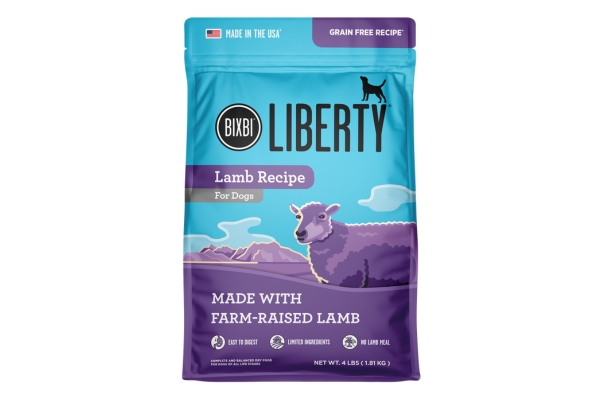
Liberty offers a decent range of flavors within the dry food line: Beef, Chicken, Lamb, Fisherman’s Catch, Game Bird Feast (turkey, duck, quail), and Rancher’s Red (beef, lamb, goat). The wet food line includes paté-style cans in Beef, Chicken, Lamb, Game Bird, and Surf ‘N Turf (fish and beef). You can rotate proteins to keep things interesting or identify which ones your dog tolerates best if you’re troubleshooting sensitivities.
Liberty’s standard kibble is medium-sized, round, and crunchy, designed to promote chewing and dental health. The Small Breed Chicken formula features smaller bites that are easier for little mouths, and the Puppy Original formula also uses a smaller kibble size for growing dogs. The texture is firm but not rock-hard, so even dogs with sensitive teeth or gums generally manage it without issue.
If you’re mixing kibble with wet food, Liberty’s paté-style cans blend smoothly and add moisture and flavor without turning the meal into mush. A common feeding approach is to use wet food as a topper—maybe 25% wet, 75% dry by calories—to boost palatability and hydration without breaking the bank or requiring constant refrigeration.
Take the free nutrition check and find out in under 1 minute which food is best tailored to your dog!
In just 60 seconds, find out which food fits your dog best — for free.
Liberty dry food is priced around $3.14 per pound for a 22-pound bag on Chewy, with smaller bags (4-pound and 11-pound) running higher per pound due to packaging costs. That puts it in the mid-premium range—cheaper than boutique brands like Orijen ($4 to $5 per pound) or fresh options like Nom Nom ($10+ per pound), but more expensive than mass-market brands like Purina Pro Plan ($2 to $2.50 per pound) or Kirkland Signature ($0.75 to $0.85 per pound).
For a 30-pound dog, daily feeding costs run approximately $1.10 to $1.30 per day on the 22-pound bag, or roughly $33 to $40 per month. That’s manageable for most households, though it does add up if you’re feeding multiple dogs or a very large breed. For comparison, a 100-pound dog might cost you $3.30 per day, or close to $100 per month, which starts to compete with subscription fresh food services in terms of budget impact.
Liberty’s wet food cans are priced around $2.79 to $3.19 per 12.5-ounce can, which translates to roughly $3.10 to $3.30 per 1,000 kcal. That’s typical for premium wet food, but it’s not cheap—feeding wet food exclusively would cost significantly more than kibble. Most owners use wet food as a topper or occasional treat rather than a complete diet.
Is Liberty worth the price? If you value ingredient transparency, digestibility, and no meat meals, then yes—it delivers on its promises and competes well with similarly priced brands like Blue Buffalo and Taste of the Wild. You’re paying for fresh meat, natural preservatives, and thoughtful sourcing, which can translate to fewer vet visits for GI issues or skin problems over time. If your dog has thrived on Liberty and you’ve seen tangible improvements in coat, stool, or energy, the premium is justified.
However, if your dog does just fine on a less expensive formula and you’re not dealing with sensitivities or health issues, Liberty might not offer enough incremental benefit to justify the higher cost. Purina Pro Plan, for example, is backed by extensive feeding trials and veterinary endorsements, costs significantly less, and works well for millions of dogs. Kirkland Signature, manufactured by Diamond Pet Foods and sold exclusively at Costco, is one of the best values in the industry—high quality at under $1 per pound—and many veterinarians recommend it for budget-conscious owners.
In short: Liberty is a solid mid-premium option with strong ingredient quality and no major red flags, but it’s not the only good choice, and it’s not necessarily the best value for every dog or every budget.
Liberty is manufactured in the United States using ingredients sourced from human-edible processing facilities, which is a meaningful quality indicator. BIXBI emphasizes thoughtful sourcing and minimal processing—specifically, low-temperature steam cooking designed to preserve nutrient integrity and digestibility. This is a gentler process than extrusion at high temperatures, which can degrade proteins and vitamins.
That said, BIXBI doesn’t publish specific factory locations, third-party audit reports, or detailed supply chain traceability. You won’t find ISO, HACCP, or SQF certifications listed on the website or packaging. This is common for smaller brands that lack the resources or infrastructure for extensive third-party verification, but it does mean you’re taking the company’s word on quality controls rather than relying on independent validation.
Liberty has no recall history as of late 2025, which is a strong point in its favor. The brand launched in 2020, so it’s a relatively young product line, but five years without a recall is still noteworthy—especially when you compare it to larger manufacturers with multiple recalls over the same period. BIXBI claims rigorous safety and quality testing for all products, though again, the details of that testing aren’t publicly available.
There are no FDA warnings, contamination reports, or widespread consumer complaints about safety issues. Isolated reports of digestive upset or refusal exist, as with any dog food, but there’s no pattern suggesting systemic quality problems or dangerous contamination.
Liberty’s sustainability credentials are limited and not well documented. BIXBI mentions thoughtful sourcing and U.S.-based production, which can reduce transportation emissions compared to imported ingredients, but the company doesn’t publish specific environmental goals, carbon footprint data, or sustainability reports. Packaging for dry food is multi-wall paper bags, which are more recyclable than plastic, but there’s no mention of post-consumer recycled content or plastic-free initiatives for wet food cans.
If sustainability is a top priority for you, brands like Open Farm or The Honest Kitchen offer more transparency around sourcing, carbon offsets, and eco-friendly packaging. Liberty isn’t terrible on this front, but it’s not leading the pack either.
There’s no evidence that BIXBI uses animal testing for Liberty products, and the brand doesn’t make claims about cage-free or grass-fed meat sourcing. The emphasis is on USDA inspection and human-grade processing, which ensures basic food safety but doesn’t necessarily guarantee higher animal welfare standards like pasture-raised or certified humane.
BIXBI is privately held, so there’s limited public information about corporate governance, labor practices, or community engagement. The company presents itself as a small, mission-driven brand focused on pet nutrition, but without detailed CSR reports or third-party ratings, it’s hard to assess their broader ethical footprint.
I work at a local dog shelter, where we’re constantly testing new foods to find options that work for dogs with varied backgrounds, sensitivities, and quirks. For this review, I tested Liberty’s Chicken Recipe Grain-Free with Maisie, a four-year-old mixed-breed who came to us from a hoarding situation. Maisie is a medium-sized dog—about 40 pounds—with a wiry coat, a cautious personality, and a history of digestive unpredictability. She’s not a picky eater in the sense that she’ll refuse food, but she’s had bouts of loose stools and occasional vomiting on formulas with a lot of fillers or unclear protein sources. We’d been feeding her a mid-range grocery-store brand that was fine but not great—her stools were soft more often than we’d like, and her coat was a bit dull.
We transitioned Maisie to Liberty over about ten days, mixing increasing amounts of the new food with her old kibble. She didn’t hesitate when we introduced it—she ate it willingly from the first meal, which isn’t always the case with shelter dogs who’ve learned to be suspicious of changes. The kibble size was easy for her to chew, and she seemed to enjoy the crunch.
Within the first week, we noticed her stools firming up—not dramatically, but consistently. By the end of week two, she was producing smaller, well-formed poops that were easier to clean up and clearly indicated better digestion. Her coat started looking shinier around the three-week mark, which was a pleasant surprise given that coat changes usually take longer. Maisie’s energy level stayed steady—she’s naturally a bit reserved, so we weren’t expecting a big personality shift, and we didn’t see one. But she seemed comfortable and content, without the occasional tummy rumbles or restless pacing we’d seen on her previous food.
Honestly, the switch to Liberty was uneventful in the best possible way. Maisie didn’t love it or hate it—she just ate it, digested it well, and went about her day. For a dog with her history, that’s exactly what we were hoping for. It’s not a miracle food, but it’s a solid, reliable option that didn’t cause any problems and quietly delivered on its promises. If you’re looking for drama-free feeding with visible improvements in stool quality and coat, Liberty is worth a shot.
Take the free nutrition check and find out in under 1 minute which food is best tailored to your dog!
In just 60 seconds, find out which food fits your dog best — for free.
Across Chewy, Amazon, and specialty pet forums, the most consistent positive feedback centers on digestive health and palatability. Owners frequently report that their dogs produce firmer, smaller stools after switching to Liberty, often within the first two weeks. This is a big deal if you’ve been dealing with chronic soft stools or excessive gas—it makes daily life easier for both dog and owner.
Coat and skin improvements are another recurring theme. About 20% to 25% of positive reviews mention shinier fur, less shedding, or reduced itching after a month or two on Liberty. This tracks with the brand’s emphasis on omega fatty acids and digestible proteins, which support skin health from the inside out. Dogs with mild allergies or seasonal itching seem to benefit most.
Picky eaters often convert. Many owners describe dogs who refused other premium brands but happily eat Liberty from day one. The fresh-meat-first approach seems to make a difference in smell and taste, which dogs notice even if we don’t. Beef and Chicken formulas get the most praise for acceptance, while Lamb and Fisherman’s Catch are more hit-or-miss.
On the flip side, about 10% to 15% of reviews mention refusal or decreased interest over time. Some dogs eat Liberty enthusiastically for a few weeks, then lose interest or refuse it altogether. This can happen with any food, but it’s worth noting if you’re considering a long-term commitment. Switching proteins or rotating formulas can sometimes solve the problem.
Digestive upset is rare but present. A small percentage of dogs—maybe 5% to 7%—experience diarrhea, vomiting, or increased gas after switching to Liberty, particularly if the transition is too abrupt. This is often user error (switching too fast) rather than a formula problem, but it’s something to watch for. Dogs with very sensitive stomachs or specific protein intolerances might not tolerate Liberty’s legume-heavy grain-free formulas.
Price complaints are common. Many owners love the food but grumble about the cost, especially when local retailers raise prices or when they’re feeding multiple dogs. The 22-pound bag offers the best per-pound value, but it’s still a significant upfront expense compared to grocery-store brands.
Owners who stick with Liberty for six months or more generally report sustained benefits—healthy weight maintenance, consistent stool quality, and good overall health. There’s no pattern of dogs developing issues or declining health over time, which suggests the formulas are nutritionally adequate for long-term feeding. However, the lack of dedicated senior or prescription options means some owners eventually switch to other brands as their dogs age or develop specific health needs.
Blue Buffalo is one of the most recognizable premium brands in the U.S., with a similar emphasis on real meat and no by-products. Both brands use fresh meat as the first ingredient, but Blue Buffalo often includes meat meals (like chicken meal or fish meal) further down the list to boost protein content. Liberty avoids meat meals entirely, which can be a selling point for owners concerned about rendering processes or lower-quality protein sources.
Price-wise, they’re comparable—both run around $3 to $4 per pound. Blue Buffalo has a broader product line, including prescription diets and more specialized formulas, while Liberty keeps things simpler with a focused range. Palatability is strong for both, though Liberty seems to edge ahead slightly in user reviews for picky eaters.
Taste of the Wild is a grain-free brand that emphasizes novel proteins like bison, venison, and wild boar. It’s priced similarly to Liberty, but the ingredient lists are less transparent—Taste of the Wild uses more meat meals and doesn’t highlight fresh meat to the same degree. Liberty’s fresh-meat-first approach gives it a quality edge, though Taste of the Wild offers more exotic protein options if you’re looking for variety or novel proteins for allergy management.
Both brands lack extensive feeding trial data and veterinary endorsements, so they’re on similar footing in terms of scientific validation. Taste of the Wild has been around longer and has a larger market presence, but it’s also had more recalls over the years—Liberty’s clean safety record is a point in its favor.
Purina Pro Plan is the gold standard for science-backed, veterinarian-recommended dog food. It’s extensively tested in feeding trials, backed by decades of research, and significantly cheaper—around $2 to $2.50 per pound. The ingredient lists are less glamorous than Liberty’s (you’ll see corn, wheat, and meat by-products), but Pro Plan delivers consistent, reliable nutrition for millions of dogs.
If your dog has no sensitivities and does well on Pro Plan, there’s little reason to switch to Liberty unless you’re specifically seeking cleaner labels or want to avoid grains and by-products. But if your dog struggles with digestive issues, skin problems, or you simply prefer more transparent ingredients, Liberty offers a meaningful upgrade at a moderate price increase.
Fresh food brands like The Farmer’s Dog, Ollie, and Nom Nom are a different category entirely. They offer gently cooked, human-grade meals delivered frozen to your door, with personalized portions and visible, whole-food ingredients. The benefits are clear—better digestibility, higher moisture content, and often dramatic improvements in coat, energy, and stool quality—but the cost is significantly higher, typically $5 to $15 per pound depending on your dog’s size.
Liberty can’t compete with fresh food on ingredient quality or digestibility, but it’s far more affordable and convenient—no freezer space required, no thawing, and you can buy it on demand from retailers. If budget and logistics are concerns, Liberty is a strong compromise that gets you closer to fresh-food benefits without the fresh-food price tag.
Take the free nutrition check and find out in under 1 minute which food is best tailored to your dog!
In just 60 seconds, find out which food fits your dog best — for free.
Liberty works best for adult dogs with healthy to moderately sensitive digestion, small-breed dogs, and puppies. If your dog has struggled with vague ingredient lists, frequent GI upset, or itchy skin on standard kibble, Liberty’s fresh-meat-first approach and limited ingredient formulas can make a real difference. The Small Breed Chicken and Puppy Original formulas are particularly well-suited for smaller mouths and higher energy needs.
Active adult dogs—sporting breeds, working dogs, or just high-energy pets—will appreciate the moderate-to-high calorie density and robust protein content. The grain-inclusive formulas (Game Bird Feast, Rancher’s Red) are a good fit for dogs whose owners are concerned about grain-free diets and DCM risk, while still wanting clean ingredients and fresh meat.
Liberty is less suitable for dogs with severe food allergies, pancreatitis, obesity, or senior dogs needing joint support. There’s no hydrolyzed protein option, no dedicated low-fat formula, and no senior-specific recipe with glucosamine or reduced calories. If your dog falls into one of these categories, you’ll need to look at prescription brands or more specialized lines.
Liberty is a solid, thoughtfully formulated mid-premium dog food that delivers on its core promises: fresh meat, no meat meals, transparent ingredients, and strong digestibility. It’s not perfect—there’s no senior formula, no prescription options, and no extensive feeding trial data—but for the majority of healthy adult dogs, puppies, and small breeds, it’s a reliable choice that often produces visible improvements in stool quality, coat health, and palatability.
Would I buy this for my dog? If I had a dog with a sensitive stomach, mild food sensitivities, or a history of doing poorly on vague “meat meal” formulas, yes, I’d absolutely give Liberty a try. The ingredient quality is strong, the price is reasonable for what you’re getting, and the safety record is clean. If I had a dog who was thriving on a less expensive formula like Purina Pro Plan or Kirkland, I probably wouldn’t switch unless there was a specific reason—Liberty is better, but it’s not so much better that it justifies the higher cost for a dog who’s already doing well.
Would I recommend it to a friend? Yes, with caveats. If they’re looking for a mid-premium kibble with clean labels and real meat, Liberty is one of the better options on the market. But I’d also tell them to consider their budget, their dog’s specific needs, and whether they’re willing to pay a bit more for ingredient transparency. For some dogs and some owners, Liberty is exactly the right fit. For others, a less expensive or more specialized formula might make more sense.
In the end, Liberty is a good dog food—not great, not mediocre, but genuinely good. It’s the kind of brand that quietly does its job without a lot of fanfare, and for many dogs and owners, that’s exactly what they need.
Take the free nutrition check and find out in under 1 minute which food is best tailored to your dog!
In just 60 seconds, find out which food fits your dog best — for free.
Liberty typically costs around $3 to $4 per pound, which is definitely more expensive than grocery store options like Purina Pro Plan. Whether it’s worth it depends on your dog’s needs and your priorities. If your dog has digestive sensitivities, responds poorly to meat meals, or you simply prefer transparent ingredient lists with fresh meat as the first ingredient, then yes—the premium is often justified by fewer vet visits and better overall health. However, if your dog thrives on a less expensive formula and has no health issues, Liberty might not offer enough incremental benefit to justify the higher cost.
Liberty offers both grain-free and grain-inclusive formulas, so you have options. The grain-free formulas use legumes like lentils and peas, which have been associated with DCM concerns in some dogs. However, Liberty supplements these formulas with taurine and other amino acids to mitigate risk. If you’re concerned about DCM, consider Liberty’s grain-inclusive recipes like Game Bird Feast and Rancher’s Red, which use ancient grains like oats and barley instead of legumes. There’s no evidence that Liberty specifically causes DCM, but if your dog is a breed predisposed to heart issues, the grain-inclusive options might give you peace of mind.
Most owners report seeing improvements in stool quality within the first two weeks, often within the first week. Coat and skin improvements typically take longer—around three to four weeks to become noticeable, and up to two months for significant changes. Energy levels and overall digestive comfort usually stabilize within the first few weeks. Remember to transition gradually over 7 to 10 days to avoid digestive upset, especially if you’re switching from a very different formula.
The Beef and Chicken formulas consistently get the highest marks for palatability among picky eaters. The fresh meat as the first ingredient seems to make a real difference in smell and taste that dogs notice. Start with Liberty Chicken Recipe if your dog isn’t allergic to poultry—it’s the most universally accepted. Avoid the Fisherman’s Catch initially, as fish-based formulas tend to be more hit-or-miss with selective eaters. If your dog is small, the Small Breed Chicken formula offers the same great taste in a more manageable kibble size.
Liberty offers a dedicated Puppy Original formula with higher protein (29%) and fat (17%) that’s specifically designed for growing dogs. Most adult formulas are labeled “All Life Stages,” so they can technically be fed to puppies, but the dedicated puppy formula is your best bet for optimal growth. For senior dogs, there’s no dedicated formula, which is a gap in the product line. You can still feed adult formulas to older dogs, but you’ll need to adjust portions carefully to prevent weight gain and possibly supplement separately for joint support, as Liberty doesn’t include glucosamine or chondroitin.
No, Liberty has no recall history as of late 2025. The brand launched in 2020, so it’s relatively young, but five years without a recall is noteworthy and speaks well to their quality control processes. There are no FDA warnings, contamination reports, or widespread consumer complaints about safety issues. This clean safety record is actually one of Liberty’s stronger selling points compared to larger manufacturers with more checkered histories.
Liberty can work for dogs with mild food sensitivities, but it’s not ideal for dogs with severe food allergies. The brand doesn’t offer true limited-ingredient diets or hydrolyzed protein formulas. While the ingredient lists are clean and transparent, they still contain common allergens like chicken, beef, and eggs. If your dog has confirmed allergies to multiple proteins, you’d be better served by prescription hypoallergenic diets or BIXBI’s Rawbble line, which offers more minimal ingredient counts. For dogs with environmental allergies or mild sensitivities, Liberty’s clean ingredients and omega fatty acid profile often help reduce inflammation and itching.
Liberty is widely available through Chewy, Amazon, independent pet stores, and Whole Foods. It’s distributed nationally, so you shouldn’t have trouble finding it online or in specialty pet retailers. The 22-pound bag offers the best per-pound value, but smaller sizes are available if you want to test it first. Availability in big-box stores like PetSmart or Petco is more limited, so online ordering is often your most reliable option.
Both Liberty and Blue Buffalo use fresh meat as the first ingredient, but Liberty goes a step further by avoiding meat meals entirely throughout their formulas. Blue Buffalo often includes chicken meal or fish meal further down the ingredient list to boost protein content. Liberty’s approach means slightly less protein concentration but potentially better digestibility. Price-wise, they’re comparable at $3 to $4 per pound. Liberty tends to have a slight edge in palatability reviews, particularly for picky eaters, while Blue Buffalo offers a broader product line with more specialized formulas.
This happens to about 10% to 15% of dogs—they eat Liberty eagerly for a few weeks, then lose interest. Try rotating between Liberty’s different protein sources (Beef, Chicken, Lamb, Game Bird) to keep things interesting. You can also mix in a small amount of Liberty wet food as a topper to boost palatability. If your dog continues to refuse it, don’t force the issue—some dogs simply prefer variety or have flavor preferences that change over time. Liberty offers a satisfaction guarantee through many retailers, so you may be able to return unused portions.
Take the free nutrition check and find out in under 1 minute which food is best tailored to your dog!
In just 60 seconds, find out which food fits your dog best — for free.
9 out of 10 dog owners are feeding their dog the wrong food.
Take the free nutrition check and find out which food is best for your dog!
2,847+ dog owners already did