9 out of 10 dog owners are feeding their dog the wrong food

Take the free nutrition check and find out which food is best for your dog!

Shelter manager, certified canine nutritionist, and lifelong dog lover
• Science-backed therapeutic nutrition: Hill’s excels in prescription diets for specific health conditions like kidney disease, food allergies, and digestive issues, with clinical trials validating effectiveness.
• Mixed palatability results: About 65-75% of dogs accept Hill’s well, but recent formula changes with ActivBiome+ technology caused some previously satisfied dogs to refuse meals.
• Moderate protein, premium price: Protein levels (20-26%) suit average dogs but not high-performance needs, while pricing ($2.50-$4.00/lb) reflects veterinary credibility over ingredient appeal.
• Digestive health specialization: ActivBiome+ prebiotic technology and highly digestible proteins consistently resolve chronic stomach issues, loose stools, and food sensitivities in real-world testing.
• Veterinary trust over ingredient trends: Uses chicken by-product meal and grains for proven digestibility rather than whole meats, prioritizing clinical outcomes over marketing-friendly ingredient lists.
Take the free nutrition check and find out in under 1 minute which food is best tailored to your dog!
Hill’s Pet Nutrition isn’t a newcomer chasing trends—it’s a brand with roots going back to 1907, when Burton Hill founded what would eventually become one of the most scientifically driven pet food companies in the world. The modern Hill’s story really begins in 1948, when Dr. Mark Morris Sr., a veterinarian, developed the first therapeutic dog food (Canine k/d) for a guide dog with kidney disease. That partnership between clinical nutrition and real-world need became the foundation of everything Hill’s does today.
Since 1976, Hill’s has been owned by Colgate-Palmolive, which brought significant resources for research, manufacturing, and global distribution. This isn’t a small operation—Hill’s accounts for roughly 23% of Colgate’s total sales and operates state-of-the-art facilities in the US, Europe, and Australia. The brand’s two main product lines are Science Diet (available over-the-counter) and Prescription Diet (veterinary-exclusive), both designed around the idea that nutrition should be precise, evidence-based, and tailored to life stage or health condition.
Hill’s positions itself as the science-first choice in pet nutrition. The company invests heavily in clinical trials, employs board-certified veterinary nutritionists, and publishes peer-reviewed research to back up its formulas. This isn’t marketing fluff—Hill’s has conducted numerous feeding trials and studies on weight management, digestive health, joint mobility, and more, often with sample sizes and methodologies that exceed industry norms.
The brand’s mission is straightforward: “To help enrich and lengthen the special relationships between people and their pets.” In practice, that means formulas developed not by marketing teams but by veterinarians and nutritionists, with a focus on outcomes you can measure—healthier weight, better digestion, improved mobility. Hill’s is the most frequently recommended dog food brand in US veterinary clinics, which speaks to the trust it’s built among professionals who see the results firsthand.
That said, Hill’s isn’t trying to be everything to everyone. It’s not a “natural” or “ancestral” brand, and it doesn’t lean into trendy ingredients or exotic proteins. Instead, it focuses on consistency, digestibility, and clinical validation. If you’re looking for a food that prioritizes science over story, Hill’s delivers. If you want grain-free, limited-ingredient simplicity or the lowest price per pound, you’ll find better fits elsewhere.
Hill’s enjoys a strong reputation, particularly among veterinarians and owners dealing with specific health issues. The brand’s prescription diets—like z/d for food allergies, k/d for kidney disease, and i/d for digestive problems—are often the first recommendation when a vet writes a diet plan. That credibility comes from decades of research and a track record of helping dogs with real health challenges.
On the consumer side, Hill’s gets solid ratings on mainstream retail sites like Chewy and Amazon, typically averaging 4.6 to 4.8 stars. Owners appreciate the predictability and the visible improvements in coat, stool quality, and energy. However, ingredient-focused review sites like DogFoodAdvisor give Hill’s lower marks—often around 2.5 stars—because the formulas include ingredients like chicken by-product meal, corn, and beet pulp, which some consider lower quality or “controversial.” This gap highlights a key tension: Hill’s prioritizes digestibility and nutritional outcomes over ingredient optics.
The brand has had recalls—most notably in 2019 for elevated vitamin D levels—but these were handled transparently with clear communication and swift action. Hill’s maintains rigorous quality controls, including HACCP and ISO certifications, third-party lab testing, and traceability systems that allow quick identification of affected batches. Overall, the safety record is solid, though no brand is immune to occasional issues.
| Price per pound | $2.50 – $4.00 (Science Diet), $5.00 – $8.00 (Prescription Diet) |
| Primary protein | Chicken, Chicken Meal, Lamb, Salmon, Turkey, Pork, Hydrolyzed Soy |
| By-products | Yes (chicken by-product meal in many formulas) |
| AAFCO compliance | Yes + feeding trials conducted |
| Formula options | Science Diet & Prescription Diet lines (20+ recipes) |
| Availability | Wide retail availability + veterinary clinics (Prescription Diet) |
Take the free nutrition check and find out in under 1 minute which food is best tailored to your dog!
In just 60 seconds, find out which food fits your dog best — for free.
When you look at a Hill’s ingredient list, you’re not going to see bison, venison, or exotic superfoods. What you will see is a practical, science-driven lineup designed for digestibility and nutritional balance rather than marketing appeal. Hill’s uses ingredients that have been tested in clinical settings and shown to deliver consistent results—even if they don’t always sound impressive on paper.
Most Hill’s formulas start with chicken, chicken meal, or chicken by-product meal as the primary protein source. You’ll also find lamb, salmon, turkey, and pork in certain lines, particularly in the sensitive stomach or prescription diets. The use of by-product meal is a sticking point for some owners, but it’s worth understanding what that actually means: by-product meal includes organ meats like liver, kidneys, and heart—nutrient-dense parts that many ancestral diets would include. It’s not low-quality filler; it’s a concentrated protein source that’s highly digestible.
For dogs with severe food allergies, Hill’s offers hydrolyzed soy protein in its z/d prescription line. This protein is broken down into such small pieces that the immune system doesn’t recognize it as an allergen, making it one of the most effective options for true food sensitivities. More recently, Hill’s has introduced insect protein and MSC-certified Alaskan pollock in select Sensitive Stomach & Skin recipes, reflecting a push toward sustainability without sacrificing nutritional quality.
Hill’s relies heavily on whole grains—brown rice, barley, oats—as primary carbohydrate sources. These provide steady energy, support digestive health through fiber, and are generally well-tolerated by most dogs. Corn and wheat appear in some formulas, which can be a dealbreaker for owners avoiding these ingredients, though Hill’s maintains that these grains are highly digestible and nutritionally valuable when processed correctly.
For grain-free options, Hill’s uses potatoes, peas, and sweet potatoes, though the brand doesn’t emphasize grain-free the way some competitors do. This is intentional—Hill’s has been cautious about the potential link between grain-free, legume-heavy diets and dilated cardiomyopathy (DCM), a heart condition flagged by the FDA in 2019. If you need a grain-free formula, Hill’s offers them, but they’re not the brand’s strength or focus.
Fats come from chicken fat, fish oil, and flaxseed, providing omega-3 and omega-6 fatty acids for skin, coat, and joint health. The omega ratios are carefully balanced to support anti-inflammatory effects, which is especially important in formulas targeting skin sensitivities or joint mobility. Hill’s also includes L-carnitine in weight management formulas to support fat metabolism and lean muscle retention.
One of Hill’s standout innovations is ActivBiome+ technology, a proprietary blend of prebiotic fibers designed to promote a healthy gut microbiome. This blend includes ingredients like beet pulp, chicory root, and other soluble fibers that feed beneficial gut bacteria, improve stool quality, and support immune function. Multiple clinical studies have shown that ActivBiome+ improves digestive health and reduces inflammation, making it a meaningful differentiator from competitors.
Beet pulp, in particular, often gets criticized in online reviews, but it’s actually a highly effective prebiotic fiber that’s well-tolerated by most dogs. Hill’s uses it not as a cheap filler but as a functional ingredient with proven benefits.
Hill’s formulas are fortified with a comprehensive vitamin and mineral package, including vitamin E, vitamin C, beta-carotene (antioxidants), and glucosamine and chondroitin for joint support in large-breed and senior formulas. The brand also includes taurine in appropriate amounts to support heart health, particularly in breeds prone to cardiac issues.
You won’t find artificial flavors, colors, or preservatives in Science Diet or Prescription Diet formulas. Instead, Hill’s uses natural preservatives like mixed tocopherols (vitamin E) to maintain freshness.
The main criticisms you’ll see about Hill’s ingredients are: chicken by-product meal, corn, wheat, soy, and beet pulp. These are considered “controversial” by some reviewers and owners who prefer whole meats and grain-free formulas. Hill’s stance is that these ingredients are safe, digestible, and nutritionally valuable when used correctly, and the clinical evidence supports that claim. If you’re philosophically opposed to by-products or grains, Hill’s won’t be your first choice. If you care more about digestibility and outcomes, the ingredient list is less of a concern.
One gap in transparency is sourcing details. Hill’s doesn’t publicly disclose which countries or suppliers provide specific ingredients, which is typical for large brands but frustrating for owners who want full traceability. The company does conduct supplier audits and quality testing, but those details aren’t easily accessible to consumers.
Hill’s formulas are designed to meet or exceed AAFCO nutritional standards for all life stages, and many undergo actual feeding trials rather than just formulation-based compliance. This means the food has been tested on real dogs to confirm that nutrients are bioavailable and the food supports health over time—a higher standard than many competitors meet.
Across the Science Diet line, you’ll typically see protein content around 20-26% and fat around 11-16%, with carbohydrates making up the balance. These aren’t the highest protein levels you’ll find—brands like Orijen or Taste of the Wild push 30%+ protein—but Hill’s prioritizes digestibility and metabolic balance over raw percentages. For most adult dogs, 20-24% protein is perfectly adequate, especially when paired with high-quality, highly digestible protein sources.
Weight management formulas, like Perfect Weight, dial back fat to 8-10% and increase fiber to promote satiety and gradual weight loss. Clinical trials show that over 70% of dogs fed Perfect Weight lose weight within 10 weeks, which is a meaningful, measurable outcome. Prescription diets adjust macros even further—k/d (kidney care) is lower in protein and phosphorus to reduce kidney workload, while j/d (joint care) includes higher levels of omega-3s and joint-supporting compounds.
Most Hill’s dry formulas deliver around 3,600-3,750 kcal/kg, which is moderate. You’re not getting the calorie-dense fuel of a high-performance food, but you’re also not dealing with the bloating and weight gain that can come from overly rich diets. For sedentary or senior dogs, this is actually an advantage—easier to control portions and maintain a healthy weight.
Hill’s includes targeted micronutrients based on life stage and health focus. For example: antioxidants (vitamins E and C, beta-carotene) support immune function in puppies and seniors; glucosamine and chondroitin appear in large-breed and senior formulas for joint health; omega-3 fatty acids from fish oil reduce inflammation and support skin, coat, and cognitive function; and L-carnitine aids fat metabolism in weight management formulas.
The ActivBiome+ prebiotic blend is another functional addition, backed by research showing improved gut health and immune support. This isn’t just marketing—Hill’s has published studies demonstrating measurable benefits.
All Hill’s formulas meet AAFCO standards, and many also comply with NRC (National Research Council) guidelines, which are even more stringent. The brand’s prescription diets are formulated by board-certified veterinary nutritionists and tested in clinical settings, giving them a level of scientific backing that few competitors can match.
Take the free nutrition check and find out in under 1 minute which food is best tailored to your dog!
In just 60 seconds, find out which food fits your dog best — for free.
Hill’s isn’t a one-size-fits-all brand, and that’s by design. The extensive product lineup means there’s likely a formula tailored to your dog’s specific needs—but it also means you need to choose carefully.
Dogs with sensitive stomachs or digestive issues: Hill’s Sensitive Stomach & Skin formulas, along with Prescription Diet i/d, are some of the most effective options for dogs prone to diarrhea, gas, or vomiting. The prebiotic fiber blends and highly digestible proteins make a real difference for many dogs.
Dogs with food allergies or intolerances: The z/d hydrolyzed protein formula is a gold standard for severe food allergies. It’s one of the few foods that can help when elimination diets and limited-ingredient foods haven’t worked.
Overweight dogs: Hill’s Perfect Weight and Metabolic lines have strong clinical evidence behind them. If your dog needs to lose weight but you’re struggling with portion control or constant hunger, these formulas are worth considering.
Senior dogs with joint issues: Prescription Diet j/d and Science Diet Adult 7+ Large Breed both include glucosamine, chondroitin, and omega-3s at levels shown to improve mobility. If your older dog is slowing down, these can help.
Dogs with chronic health conditions: Hill’s prescription diets are designed for specific conditions—kidney disease (k/d), urinary issues (c/d), skin problems (Derm Complete), and more. If your vet recommends a therapeutic diet, Hill’s is often the first option, and for good reason.
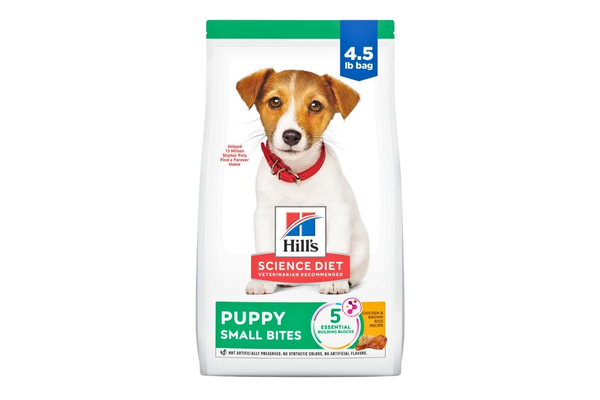
Puppies and small breeds: Hill’s Puppy formulas and Small & Mini lines are well-balanced, with appropriate calorie density and kibble size. The brand’s focus on immune support and digestive health makes these solid choices for young dogs.
Dogs needing extremely high protein: If you have a working dog, a highly active breed, or a dog on a raw-inspired diet, Hill’s moderate protein levels (20-26%) may not provide enough fuel. Brands like Orijen, Acana, or Taste of the Wild offer 30-40% protein for high-energy needs.
Owners philosophically opposed to grains or by-products: Hill’s uses corn, wheat, and chicken by-product meal in many formulas. If you’re committed to grain-free, whole-meat diets, this brand won’t align with your preferences. For a grain-free alternative with a similar reputation, check out our Dog food from 4Health review.
Dogs with corn or wheat allergies: While Hill’s offers “No Corn, Wheat, Soy” formulas, these are less common and not the brand’s strength. If your dog has confirmed grain allergies, you’ll find more variety and focus elsewhere.
Budget-conscious owners: Hill’s is priced in the mid-premium to premium range, typically $2.50-$4.00 per pound for Science Diet and $5-$8 per pound for Prescription Diet. If cost is your primary concern, there are more affordable options that still meet AAFCO standards.
One of the most common questions about Hill’s is simple: will my dog actually eat it? The answer is mixed, and it depends a lot on your individual dog and which formula you choose.
Hill’s offers a decent range of flavors—chicken, lamb, salmon, beef, turkey, and pork—across both dry and wet formulas. The most popular options are Chicken & Barley and Sensitive Stomach & Skin, which tend to get the best acceptance rates. Wet food options, like the Savory Stews and Healthy Cuisine lines, are generally more palatable than dry kibble, as you’d expect.
That said, Hill’s isn’t known for being a flavor powerhouse. The brand prioritizes digestibility and nutrition over taste, and some dogs find the food bland compared to richer, fattier options. This is especially true for picky eaters or dogs transitioning from higher-fat foods like Blue Buffalo or grain-free brands. If your dog is used to a more “exciting” diet, Hill’s may require a slower transition and some patience.
In reviews across Chewy, Amazon, and Walmart, about 65-75% of owners report that their dogs “love” Hill’s, particularly the Sensitive Stomach and Small & Mini formulas. Success stories often mention picky eaters who finally found a food they’ll consistently eat, or dogs with chronic digestive issues who stopped vomiting and started enjoying meals again.
On the flip side, 8-12% of negative reviews mention refusal to eat, often after a formula change or when switching from a different brand. This spiked in 2024 and early 2025 when Hill’s updated several recipes with ActivBiome+ technology. Some dogs adjusted fine; others walked away from the bowl. Hill’s response has been to offer transition guidance and, in some cases, revert to previous formulas or provide refunds, but the inconsistency frustrated a number of loyal customers.
From a practical standpoint, Hill’s is easy to work with. The kibble size is appropriate for most dogs (with specific “Small Bites” options for smaller breeds), and the food doesn’t produce excessive dust or a strong odor—though some owners report a slightly chemical or processed smell in certain batches. Wet food is well-textured, not overly gelatinous, and mixes easily with dry kibble if you want to boost palatability.
One thing I appreciate about Hill’s is the clear feeding guidelines on every package, with adjustments based on weight, activity level, and whether you’re mixing wet and dry. This takes the guesswork out of portions, which is especially helpful if you’re managing weight or transitioning to a new food.
Hill’s sits in the mid-premium to premium price range, and whether it’s worth the cost depends on what you’re prioritizing—clinical results, ingredient quality, or simply the lowest price per pound.
Here’s what you can expect to pay for Hill’s Science Diet (as of 2025, based on Chewy, Amazon, and PetSmart pricing):
For a 30-pound dog eating Science Diet Adult Chicken & Barley, you’re looking at roughly $1.60 per day, or about $48 per month. A 60-pound dog would run closer to $2.80 per day, or $84 per month. Prescription diets cost significantly more—often double the price of standard Science Diet—which adds up quickly if you’re feeding a larger dog.
Hill’s is more expensive than Purina Pro Plan (typically $2.00-$3.00/lb) and significantly pricier than budget brands like Purina ONE or store brands ($1.00-$1.50/lb). It’s roughly comparable to Blue Buffalo ($2.80-$4.00/lb) and less expensive than Royal Canin ($3.50-$4.50/lb) in most cases. For the clinical backing and veterinary reputation, Hill’s is competitively priced within the premium tier, though you’re definitely paying for the science and brand trust.
If you’re comparing Hill’s to fresh food brands like The Farmer’s Dog, Nom Nom, or Ollie, Hill’s is far more affordable. Fresh food services typically run $5-$10+ per day for a medium dog, whereas Hill’s keeps you in the $1.50-$3.00 range. The trade-off is ingredient transparency and palatability—fresh brands use human-grade, whole ingredients that often deliver better acceptance and visible health improvements, but at a significantly higher cost.
If your dog has a specific health issue—sensitive stomach, food allergies, kidney disease, joint problems—Hill’s often delivers results that justify the price. The clinical evidence is strong, and many owners report that switching to Hill’s resolved problems that other foods couldn’t touch. In those cases, the cost is secondary to the outcome.
For healthy dogs with no special needs, the value is less clear. You’re paying for science-backed formulation and veterinary trust, but your dog may do just as well on a less expensive brand like Purina Pro Plan or even a thoughtfully chosen store brand. Hill’s isn’t overpriced for what it is, but it’s also not a bargain.
Take the free nutrition check and find out in under 1 minute which food is best tailored to your dog!
In just 60 seconds, find out which food fits your dog best — for free.
Hill’s takes manufacturing seriously, and the infrastructure behind the brand is one of its strengths. The company operates state-of-the-art facilities in the US, Europe, and Australia, with a major new plant in Tonganoxie, Kansas that opened in 2023. This facility uses AI-powered food safety systems to monitor every stage of production, from raw material intake to finished product, catching potential issues before they reach the bag.
Hill’s employs a multi-layered quality control process that includes: raw material testing for nutritional content, contaminants, and microbial safety; in-process monitoring during cooking, mixing, and packaging; finished product analysis for nutritional accuracy and microbiological safety; and third-party lab verification for independent confirmation of results. The company holds HACCP and ISO certifications and follows GMP (Good Manufacturing Practices) standards, which are audited regularly by both internal teams and external agencies.
Hill’s also maintains traceability systems that allow them to track every ingredient back to its source and identify affected batches quickly in the event of a recall. This was evident in the 2019 vitamin D recall, where Hill’s acted swiftly to identify, communicate, and resolve the issue with minimal confusion.
Over the past 10 years, Hill’s has had a moderate number of recalls—more than some brands but fewer than others. The most significant was the 2019 recall for elevated vitamin D levels, which affected multiple formulas and prompted widespread concern. Hill’s response was transparent and proactive, with clear communication, a full refund or replacement policy, and updates throughout the process. Since then, the brand has tightened vitamin and mineral controls to prevent recurrence.
There have been occasional recalls for Salmonella or Listeria contamination, which are industry-wide risks, but no widespread or severe incidents causing high rates of illness. Overall, Hill’s safety record is solid, though not flawless.
Hill’s publishes detailed nutritional information, feeding guidelines, and ingredient lists for every product, and the brand is generally responsive to customer inquiries. However, ingredient sourcing details—which countries or suppliers provide specific ingredients—are not publicly disclosed. This is typical for large brands but frustrating for owners who want full traceability. Hill’s conducts supplier audits and quality testing, but those details aren’t easily accessible to consumers.
Hill’s has made strides in sustainability, but this isn’t a brand that leads with environmental messaging the way some smaller, mission-driven companies do. The focus is more on practical improvements than bold claims.
Hill’s sources globally, prioritizing quality and consistency over local or organic sourcing. The brand has introduced MSC-certified Alaskan pollock in some Sensitive Stomach & Skin recipes, which supports sustainable fishing practices. They’ve also begun using insect protein in select formulas, which has a lower environmental footprint than traditional meat proteins. These are meaningful steps, but Hill’s hasn’t committed to fully sustainable sourcing across all product lines.
Hill’s has shifted toward recyclable materials in some packaging, but not all bags or cans are fully recyclable, and the brand hasn’t provided a comprehensive sustainability report on packaging. This is an area where competitors like The Farmer’s Dog or Spot & Tango (which emphasize recyclable, minimal packaging) have a clear edge.
Hill’s emphasizes ethical animal welfare in its mission statements and has policies against unnecessary animal testing. The brand uses feeding trials rather than invasive testing, and collaborates with humane organizations. However, details on farm animal welfare standards for sourcing meat are limited. Hill’s doesn’t claim to use only free-range or pasture-raised proteins, which may be a concern for ethically minded owners.
As a Colgate-Palmolive subsidiary, Hill’s benefits from the parent company’s broader CSR initiatives, including sustainability goals and community programs. The brand’s Overland Park headquarters earned LEED Gold and WELL Platinum certifications for environmental and employee wellness design, which is a positive signal. However, Hill’s doesn’t publish standalone CSR reports, so transparency in this area is limited.
I work at a local dog shelter, where we see a wide range of dogs with varying needs, backgrounds, and quirks. Recently, we had the opportunity to test Hill’s Science Diet Sensitive Stomach & Skin with one of our longer-term residents, a three-year-old mixed breed named Baxter. Baxter is a lean, medium-sized dog—about 45 pounds—with a terrier-like energy and a history of intermittent digestive issues. He’d been on a standard shelter diet (a mix of donated kibble brands), and while he wasn’t sick, his stools were often loose, and he’d occasionally skip meals or seem uncomfortable after eating.
We transitioned Baxter over the course of a week, mixing Hill’s with his previous food in gradually increasing amounts. He didn’t seem particularly excited or hesitant about the new kibble—it wasn’t a dramatic shift in behavior. The kibble itself is a medium brown color, with a mild, slightly grainy smell that’s not unpleasant but also not especially appetizing to human noses. Baxter sniffed it, ate his portion without fuss, and moved on. No refusal, no enthusiastic tail-wagging—just a normal mealtime.
By the end of the transition, Baxter was eating Hill’s consistently and finishing his meals without issue. He’s not a picky eater, so this wasn’t surprising, but it was reassuring to see that the food didn’t turn him off the way some higher-fiber or lower-fat foods have in the past. He didn’t seem hungrier or more eager at mealtimes, but he also didn’t slow down or lose interest, which I took as a sign that the food was satisfying enough.
The most noticeable change came about two weeks in: Baxter’s stools became consistently firm and well-formed, with no more of the soft, messy output we’d been dealing with before. This made cleanup easier and suggested that his digestive system was responding well to the prebiotic fiber and more digestible protein sources. His coat didn’t transform dramatically, but it did look a bit shinier and felt softer to the touch by the end of the third week.
Energy-wise, Baxter stayed about the same—he’s always been an active, playful dog, and that didn’t change. I didn’t notice any lethargy or hyperactivity, which told me the calorie density and macros were appropriate for his activity level. He also stopped having those occasional post-meal discomfort moments where he’d lie down heavily or seem a bit bloated. Overall, he seemed more comfortable, which is exactly what you’d hope for with a sensitive stomach formula.
From a practical standpoint, feeding Hill’s was straightforward. The kibble is easy to measure, doesn’t produce a lot of dust, and stores well without going stale. Baxter’s portions were clear based on the feeding guide, and his weight stayed stable throughout the trial. For a shelter environment, where consistency and ease of use matter, Hill’s worked well. It wasn’t a dramatic transformation, but it solved the specific problem we were trying to address—Baxter’s digestive inconsistency—without creating new issues.
If I were adopting Baxter myself, I’d likely continue with Hill’s Sensitive Stomach & Skin, at least in the short term, because it clearly worked for him. Whether I’d stick with it long-term would depend on cost and whether his digestive system stayed stable. For now, though, it did exactly what it’s supposed to do.
Hill’s has a large, vocal customer base, and the feedback is generally positive but with some notable patterns of frustration. Across platforms like Chewy, Amazon, Petco, and Walmart, Hill’s Science Diet formulas average 4.6 to 4.8 stars, with thousands of reviews per product. Prescription diets also rate highly, though they’re less frequently reviewed due to their veterinary-exclusive status.
The most common praise centers on digestive improvements. Owners frequently report that switching to Hill’s—especially Sensitive Stomach & Skin or i/d—resolved chronic diarrhea, vomiting, or gas within a few weeks. One Walmart reviewer wrote, “I switched my dogs from a lower-priced food to Hill’s and they love it! They no longer have issues with vomiting or allergies!” This sentiment appears in roughly 20-25% of positive reviews.
Coat and skin quality is another recurring benefit. Owners mention shinier fur, less shedding, and reduced itching, particularly with the Sensitive Stomach & Skin and Prescription Diet Derm Complete formulas. Timeframes for visible improvement typically range from 2-4 weeks. Energy and vitality improvements show up in about 13% of positive reviews, often from owners of senior dogs or dogs previously on lower-quality diets.
Picky eater success is also notable. While Hill’s isn’t the most palatable food on the market, many owners report that their selective dogs finally found a food they’d eat consistently, often after trying multiple brands. This is especially true for the Small & Mini formulas and wet food options.
The most common negative feedback involves palatability issues. About 8-12% of negative reviews mention that dogs refused to eat Hill’s, either from the start or after a formula change. This spiked in 2024 and early 2025 when several recipes were updated with ActivBiome+ technology. Owners who’d been feeding Hill’s for years suddenly found their dogs walking away from the bowl, and the frustration was palpable in reviews.
Digestive problems also appear in a small but significant percentage of reviews—about 4-7% report diarrhea, loose stools, or vomiting, often during the initial transition. This is higher than you’d expect for a sensitive stomach formula, and it suggests that Hill’s doesn’t work for every dog, even those with digestive issues.
Price complaints are frequent, appearing in 12-18% of negative reviews. Owners often mention that Hill’s is “too expensive for what you get,” particularly when comparing ingredient lists to cheaper brands with similar macros. Price increases over the past two years have intensified this criticism, with some long-time customers switching to alternatives like Purina Pro Plan or store brands.
Quality consistency concerns come up in 2-3% of reviews, with reports of strange odors, mold in bags, or inconsistent batches. These issues are usually tied to specific manufacturing lots and are resolved with refunds or replacements, but they damage trust when they occur.
One Chewy reviewer shared: “We have been feeding our dogs this food for 5 years. Stools are always healthy, coats are shiny, and they have tons of energy even as seniors!” Another wrote: “My dog is very picky! She does not enjoy dog biscuits. I put these ones down and she sniffed around for a bit then ate them!” These stories highlight Hill’s ability to deliver consistent, reliable results for many dogs over the long term.
On the flip side, one Walmart reviewer noted: “Unfortunately my dog didn’t like this food. We use this brand but a different flavor and she loves that so I was hoping she’d like this one but unfortunately she didn’t really like it.” Another mentioned: “Recipe changed, and my senior dog who has eaten this for 10 years now refuses every bowl.” These reviews underscore the impact of formula changes and individual dog preferences.
Hill’s responds to critical reviews on Chewy, Petco, and Walmart with moderate frequency—roughly 60% of major complaints receive a reply. Responses are professional and solution-oriented, often offering refunds, replacements, or suggesting direct contact with customer support. However, they rarely admit fault or explain formula changes in detail, which frustrates some customers who feel their concerns are being dismissed.
Take the free nutrition check and find out in under 1 minute which food is best tailored to your dog!
In just 60 seconds, find out which food fits your dog best — for free.
Hill’s operates in a crowded, competitive market, and understanding how it stacks up against alternatives helps clarify whether it’s the right choice for your dog.
Purina Pro Plan is Hill’s closest competitor in the science-backed, veterinary-recommended space. Both brands emphasize clinical research, offer extensive product lines, and are frequently recommended by vets. Purina Pro Plan tends to have slightly higher protein levels (26-30% vs. Hill’s 20-26%) and is generally less expensive ($2.00-$3.00/lb vs. $2.50-$4.00/lb). However, Hill’s has a stronger reputation in prescription diets and digestive health, while Purina Pro Plan excels in performance and high-protein options. If your dog needs maximum protein or you’re budget-conscious, Purina Pro Plan is the better bet. If you’re dealing with digestive issues or need a prescription diet, Hill’s is the stronger choice.
Royal Canin is another major player in the veterinary and breed-specific nutrition space. Royal Canin offers highly specialized formulas for individual breeds and health conditions, which Hill’s doesn’t match. However, Royal Canin is more expensive ($3.50-$4.50/lb) and has faced more frequent recalls and quality concerns in recent years. Hill’s is generally more affordable and has a stronger safety record. If you want breed-specific nutrition, Royal Canin is worth considering. If you want reliable, science-backed nutrition at a slightly lower price, Hill’s is the safer bet.
Blue Buffalo positions itself as a “natural” premium brand, with whole meats, no by-products, and LifeSource Bits (antioxidant-rich kibble pieces). Blue Buffalo is similarly priced to Hill’s ($2.80-$4.00/lb) but focuses more on ingredient quality and marketing appeal than clinical research. Hill’s has stronger veterinary credibility and clinical backing, while Blue Buffalo appeals to owners who prioritize whole ingredients and grain-free options. If you want science and digestive health, Hill’s wins. If you want natural ingredients and variety, Blue Buffalo is the better choice.
4Health, a Tractor Supply exclusive brand, offers a value-premium alternative at roughly half the price of Hill’s ($1.20-$1.50/lb). 4Health emphasizes real meat, no by-products, and digestibility, with formulas that often match or exceed Hill’s in protein content (24-26%). However, 4Health lacks the clinical research, veterinary endorsement, and prescription diet options that define Hill’s. If you’re budget-conscious and your dog doesn’t have special health needs, 4Health is a solid alternative. If you need therapeutic nutrition or want the confidence of veterinary backing, Hill’s is worth the extra cost.
Fresh food services like The Farmer’s Dog, Ollie, Nom Nom, Spot & Tango, and The Pets Table offer human-grade, gently cooked meals with full ingredient transparency and impressive palatability. These brands typically cost $5-$10+ per day for a medium dog, compared to Hill’s $1.50-$3.00 range. Fresh food often delivers better acceptance, shinier coats, and firmer stools, but at a significantly higher cost and with freezer space requirements. If budget isn’t a concern and you want the highest-quality ingredients, fresh food is the premium upgrade. If you want science-backed nutrition at a more accessible price, Hill’s is the practical choice.
Hill’s is best suited for dogs with specific health needs or owners who prioritize clinical validation and veterinary trust over ingredient trends. If your dog has a sensitive stomach, food allergies, kidney disease, joint problems, or is overweight, Hill’s offers targeted formulas with strong evidence behind them. The brand also works well for puppies, seniors, and small breeds, with life-stage-appropriate formulas that support healthy development and aging.
Hill’s is less ideal for highly active dogs needing maximum protein, owners philosophically opposed to grains or by-products, or anyone on a tight budget. If you’re looking for the lowest price per pound or the most “natural” ingredient list, there are better options. But if you want a food that’s been tested in clinical settings, recommended by veterinarians, and shown to deliver measurable health improvements, Hill’s is hard to beat.
Yes, Hill’s is good—but with important caveats. This is a brand built on science, clinical research, and real-world outcomes, not marketing hype or trendy ingredients. If your dog has digestive issues, food allergies, a chronic health condition, or needs to lose weight, Hill’s often delivers results that cheaper or more “natural” brands can’t match. The prescription diets, in particular, are some of the most effective therapeutic options available, and the Science Diet line offers solid, reliable nutrition for everyday feeding.
That said, Hill’s isn’t perfect. The ingredient lists won’t impress owners who prioritize whole meats and grain-free formulas, and the price is higher than many competitors offering similar macros. Palatability is hit-or-miss, especially after recent formula changes, and the brand’s transparency around sourcing could be better. For healthy dogs with no special needs, you can find comparable or better value elsewhere—Purina Pro Plan offers similar science-backed nutrition at a lower price, and fresh food brands deliver superior ingredients and palatability if you’re willing to pay significantly more.
Personally, I’d recommend Hill’s to a friend whose dog has a specific health issue or who values veterinary credibility and clinical backing. I wouldn’t necessarily choose it as a first option for a healthy, active dog with no special needs, where a higher-protein or more affordable brand might make more sense. But for sensitive stomachs, allergies, or therapeutic needs, Hill’s is one of the most reliable choices on the market. It’s not flashy, it’s not the cheapest, and it’s not for everyone—but for the right dog, it works, and that’s what matters most.
Take the free nutrition check and find out in under 1 minute which food is best tailored to your dog!
In just 60 seconds, find out which food fits your dog best — for free.
Hill’s is worth the premium price if your dog has specific health needs—digestive issues, food allergies, kidney disease, or weight management concerns. The clinical research and veterinary backing often deliver results that cheaper brands can’t match. For healthy dogs with no special requirements, you might find comparable nutrition at a lower cost with brands like Purina Pro Plan or even quality store brands.
Veterinarians recommend Hill’s because it’s one of the few brands that conducts extensive clinical trials and employs board-certified veterinary nutritionists to develop formulas. The prescription diets are specifically designed for medical conditions and have proven track records in clinical settings. The brand’s focus on measurable outcomes rather than marketing trends aligns with veterinary medicine’s evidence-based approach.
Science Diet is Hill’s over-the-counter line available at pet stores and online, designed for healthy dogs at different life stages. Prescription Diet is veterinary-exclusive and formulated for specific health conditions like kidney disease, food allergies, or digestive problems. Prescription diets require a vet’s recommendation and are typically more expensive due to their specialized formulations.
Yes, Hill’s Sensitive Stomach & Skin formula is specifically designed for digestive issues and often delivers excellent results. The ActivBiome+ prebiotic technology and highly digestible proteins help many dogs achieve firmer stools and reduced digestive discomfort within 2-3 weeks. The prescription i/d formula is even more targeted for severe digestive problems.
Hill’s uses chicken by-product meal because it’s a concentrated, highly digestible protein source that includes nutrient-dense organ meats like liver and heart. While it doesn’t sound as appealing as “whole chicken,” by-product meal is nutritionally valuable and provides consistent protein content. Hill’s prioritizes nutritional outcomes and digestibility over ingredient marketing appeal.
Hill’s has mixed palatability results. About 65-75% of owners report their dogs enjoy it, but it’s not the most flavorful food on the market. Hill’s prioritizes nutrition and digestibility over taste, so some dogs find it bland compared to richer foods. If your dog is extremely picky, you might want to try a small bag first or consider mixing with wet food to boost appeal.
Yes, Hill’s offers grain-free options using potatoes, peas, and sweet potatoes, but grain-free isn’t their focus. The brand actually emphasizes whole grains like brown rice and barley for their digestive and nutritional benefits. Hill’s has been cautious about grain-free diets due to potential links to heart disease (DCM) flagged by the FDA.
For digestive improvements, many owners see firmer stools and reduced gas within 1-2 weeks. Coat and skin improvements typically take 2-4 weeks to become noticeable. Weight management results usually show within 6-10 weeks when following feeding guidelines. Always transition gradually over 7-10 days to avoid digestive upset.
Hill’s has a generally solid safety record with rigorous quality controls, including HACCP certification and third-party testing. The most significant recent recall was in 2019 for elevated vitamin D levels, which Hill’s handled transparently with clear communication and swift action. While no brand is recall-free, Hill’s safety standards are above average for the industry.
You can absolutely feed Hill’s Science Diet to healthy dogs—the regular Adult, Puppy, and Senior formulas are designed for everyday feeding. However, you might find better value elsewhere if your dog doesn’t have special needs. The brand’s strength lies in therapeutic nutrition, so healthy dogs might do equally well on less expensive alternatives like Purina Pro Plan.
ActivBiome+ is Hill’s proprietary blend of prebiotic fibers designed to support gut health by feeding beneficial bacteria. Clinical studies show it improves digestive health, stool quality, and immune function. It’s not just marketing—there’s actual research backing the benefits, making it a meaningful differentiator from competitors.
Choose Hill’s if your dog has digestive issues, food allergies, or you need a prescription diet. Choose Purina Pro Plan if you want higher protein content (26-30% vs. Hill’s 20-26%), better palatability, or a lower price point. Both have strong veterinary backing, but Hill’s excels in therapeutic nutrition while Pro Plan is better for high-energy, healthy dogs.
Take the free nutrition check and find out in under 1 minute which food is best tailored to your dog!
In just 60 seconds, find out which food fits your dog best — for free.
9 out of 10 dog owners are feeding their dog the wrong food.
Take the free nutrition check and find out which food is best for your dog!
2,847+ dog owners already did