9 out of 10 dog owners are feeding their dog the wrong food

Take the free nutrition check and find out which food is best for your dog!

Shelter manager, certified canine nutritionist, and lifelong dog lover
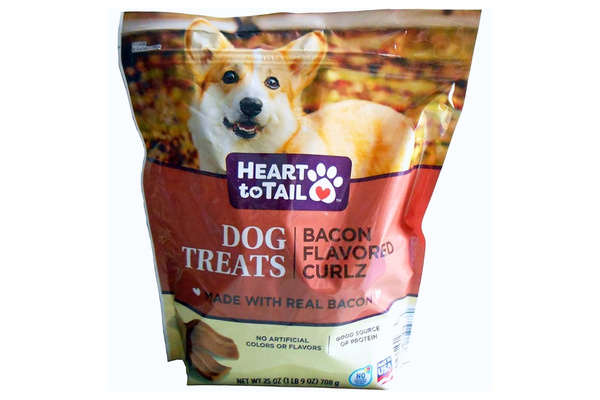
• Heart To Tail is ALDI’s exclusive private-label brand offering budget-friendly dog food with the Pure Being line providing significantly better ingredient quality than the basic Complete Nutrition line.
• Exceptional value proposition with daily feeding costs under $0.40 for medium dogs, delivering AAFCO-compliant nutrition at less than half the price of premium competitors like Blue Buffalo.
• Clean safety record with no documented recalls in over a decade, though transparency is limited with undisclosed manufacturing partners and ingredient sourcing information throughout the production chain.
• Best suited for healthy adult dogs with normal dietary needs, but not recommended for puppies, seniors with health issues, or breeds predisposed to heart conditions due to grain-free formulations.
• Inconsistent batch quality and limited availability exclusively at ALDI stores creates practical challenges, with some owners reporting formula changes that affect palatability over time.
Take the free nutrition check and find out in under 1 minute which food is best tailored to your dog!
Heart To Tail is ALDI’s private-label dog food brand, which means it’s exclusive to ALDI stores and designed to offer a budget-friendly alternative to national brands. The exact founding year isn’t publicly disclosed, but the brand likely emerged in the last 10 to 15 years as ALDI expanded its pet care offerings in the U.S. There’s no named founder or public-facing leadership team—this is a house brand, so it’s managed internally by ALDI’s procurement and product development departments.
The core positioning is straightforward: affordable, accessible nutrition for everyday dog owners. ALDI emphasizes that Heart To Tail products meet AAFCO nutritional standards and contain no artificial flavors or preservatives, which is a selling point at this price tier. The brand isn’t trying to compete with premium or specialty foods—it’s aimed squarely at value-conscious shoppers who want a reliable, no-frills option without the markup of national advertising campaigns.
As for reputation, Heart To Tail sits in a middle zone. It’s not a household name outside of ALDI shoppers, and you won’t find veterinarians routinely recommending it. But it also hasn’t been plagued by recalls or scandals. The brand has a clean safety record over the past decade, which is notable and reassuring. Transparency, however, is limited—ALDI doesn’t disclose manufacturing partners, detailed sourcing information, or third-party testing results. For a private label, that’s not unusual, but it does mean you’re taking some things on trust.
Heart To Tail’s ingredient lists vary by product line, but the primary protein sources are chicken, beef, and salmon. In the budget “Complete Nutrition” line, you’ll often see meat by-products and chicken meal listed prominently. In the Pure Being line—which is Heart To Tail’s step-up option—real chicken or salmon is typically the first ingredient, which is a meaningful upgrade.
Chicken meal and meat by-products are not inherently bad, but they’re less appealing to owners who want whole, named meats. Chicken meal is a concentrated protein source and actually provides more protein per pound than fresh chicken because the moisture has been removed. By-products, on the other hand, can include organs, bones, and other parts—nutritious, but not always what people picture when they think “quality dog food.”
The Complete Nutrition line leans heavily on corn, rice, and barley. These are inexpensive, digestible carbohydrates, but they also push the carbohydrate percentage well above 50%, which is higher than many mid-range brands. If your dog does fine on grains and doesn’t have sensitivities, this isn’t a problem—it’s just a cost-saving measure.
The Pure Being Grain-Free line swaps grains for sweet potatoes, peas, and potatoes. This aligns with the grain-free trend, though it’s worth noting that the FDA has investigated potential links between grain-free diets heavy in legumes and canine dilated cardiomyopathy (DCM). Heart To Tail hasn’t been named in any specific investigations, but if you’re feeding grain-free long-term, it’s something to discuss with your vet.
Heart To Tail products include standard vitamin and mineral premixes to meet AAFCO requirements—think vitamin E, vitamin D3, potassium, and choline. Some formulas mention omega-6 fatty acids, which support coat health. There’s no evidence of added glucosamine, chondroitin, or probiotics in most lines, though the Pure Being line has been marketed with digestive health in mind.
Preservatives are listed as mixed tocopherols, which are natural (vitamin E-based) and preferable to synthetic options like BHA or BHT. No artificial colors or flavors are used, which is a plus at this price point.
The use of meat by-products and corn in the budget line will raise eyebrows for some owners. These ingredients aren’t dangerous, but they’re often associated with lower-quality foods. Corn is a common allergen for some dogs, though true corn allergies are rarer than many people think—often, it’s just a scapegoat for other issues.
The grain-free formulas use peas and potatoes as primary carbs, which ties into the DCM conversation. The science is still evolving, but if your dog is a breed predisposed to heart issues (like Golden Retrievers or Dobermans), I’d lean toward grain-inclusive options or consult your vet before committing to grain-free long-term.
| Price per pound | $0.80 – $1.69 |
| Primary protein | Chicken, Beef, Salmon |
| By-products | Yes (Complete Nutrition line) |
| AAFCO compliance | Yes (formulated to meet standards) |
| Formula options | 2 product lines (Complete Nutrition & Pure Being) |
| Availability | ALDI stores only |
Take the free nutrition check and find out in under 1 minute which food is best tailored to your dog!
In just 60 seconds, find out which food fits your dog best — for free.
Let’s look at the numbers. The Complete Nutrition line typically delivers around 21% crude protein and 10% fat on a dry-matter basis. That’s on the lower end for adult maintenance, but it meets AAFCO minimums. The Pure Being Chicken & Brown Rice steps up to about 25% protein and 15% fat, which is more competitive with mid-range brands. The Pure Being Grain-Free Salmon & Sweet Potato also sits at 25% protein and 15% fat.
Carbohydrate content isn’t listed on the label, but you can estimate it by subtracting protein, fat, fiber, moisture, and ash from 100%. For the Complete Nutrition line, you’re likely looking at over 50% carbohydrates, which is high. For Pure Being, it’s closer to 35-40%, which is more balanced and better for dogs with higher energy needs.
The Complete Nutrition line offers around 3,500 kcal/kg, which is fairly standard for kibble. Pure Being formulas are similar, at roughly 3,600 kcal/kg. This means you’ll feed similar volumes to other mainstream brands. For a 30-pound dog, you’re looking at about 0.22 pounds per day, which works out to around $0.18 per day for Complete Nutrition—very affordable.
Heart To Tail states that its products are formulated to meet AAFCO nutritional levels for all life stages. That’s important—it means the food should theoretically support puppies, adults, and seniors. However, “formulated to meet” is different from “feeding trials confirm.” There’s no public evidence that Heart To Tail has conducted AAFCO feeding trials, which are controlled studies that validate nutritional adequacy in real dogs. Most budget and private-label brands skip this step, so Heart To Tail isn’t unique here, but it’s worth noting.
The vitamin and mineral premix covers the basics—calcium, phosphorus, zinc, selenium, and a range of vitamins. There’s no published data on exact levels, so I can’t tell you whether they’re generous or just scraping by. The inclusion of omega-6 fatty acids is a nice touch for coat health, and some owners have reported shinier coats after switching. Omega-3s, which are more anti-inflammatory and beneficial for joint and heart health, aren’t prominently featured or quantified.
Heart To Tail works well for healthy adult dogs with no special dietary needs. If your dog is active, maintains a good weight, has normal digestion, and isn’t picky, the Pure Being line is a solid, affordable choice. It’s also a reasonable option for multi-dog households where feeding costs add up quickly—you’re getting AAFCO-compliant nutrition at a fraction of the price of premium brands.
For dogs with mild grain sensitivities, the Pure Being Grain-Free Salmon & Sweet Potato formula offers a straightforward alternative. It’s not a limited-ingredient diet, but it avoids corn, wheat, and soy, which are common triggers.
I wouldn’t choose Heart To Tail for puppies, especially large-breed puppies. While the “all life stages” label technically means it’s safe, the protein and fat levels in the Complete Nutrition line are on the low side for growth, and there’s no tailored calcium-to-phosphorus ratio for developing bones. The Pure Being line is better, but there are more specialized puppy foods out there.
Dogs with serious health conditions—kidney disease, pancreatitis, severe allergies, or heart issues—need veterinary diets or at least foods with precise nutrient profiles. Heart To Tail doesn’t offer prescription or therapeutic formulas, and the lack of detailed micronutrient transparency makes it hard to assess suitability for medical needs.
If your dog is a breed predisposed to DCM (like Dobermans, Boxers, or Golden Retrievers), I’d avoid the grain-free line unless your vet specifically recommends it. The jury’s still out on the legume-DCM link, but why take the risk when grain-inclusive options are available?
Heart To Tail doesn’t offer breed-specific formulas, but the kibble size in the Pure Being line is medium, which should work for most dogs. Small dogs can eat it without issue, though you might want to break pieces in half for toy breeds. Large and giant breeds will benefit more from the Pure Being line’s higher protein and fat content, but again, there’s no specific large-breed formula with joint support or controlled calcium.
For highly active dogs—working breeds, agility competitors, or dogs with high energy output—the Pure Being line is adequate, but you may need to feed more volume or consider a higher-fat formula. The Complete Nutrition line’s lower protein and fat won’t cut it for these dogs.
This is where Heart To Tail generally performs well. Over 70% of positive reviews mention that dogs enjoy the food, and many owners report success with picky eaters. The Pure Being Grain-Free Salmon formula, in particular, seems to be a hit. Salmon is often more enticing than chicken for dogs, and the omega-6 content may contribute to a more appealing aroma.
That said, palatability can be inconsistent. Some owners report that their dogs loved the food initially but then refused it after a few weeks or after ALDI changed the formula. This suggests batch-to-batch variation or recipe tweaks that aren’t always communicated. If your dog is sensitive to formula changes, this could be frustrating.
Heart To Tail offers limited flavor variety compared to national brands. The dry food line includes chicken, salmon, and generic beef/chicken blends. The wet food line is broader—beef stew, grilled chicken, turkey, and a few others—but the dry options are fairly basic. If your dog thrives on variety or gets bored easily, you might need to rotate with other brands.
The kibble is standard in size and texture—nothing fancy, but dogs don’t seem to struggle with it. The wet food is chunky and looks like actual food, which is a nice touch. One practical benefit owners mention is that stools tend to be firmer and smaller on the Pure Being line, which makes cleanup easier. That’s not a glamorous selling point, but it matters in day-to-day life.
Take the free nutrition check and find out in under 1 minute which food is best tailored to your dog!
In just 60 seconds, find out which food fits your dog best — for free.
Heart To Tail is one of the cheapest branded dog foods you can buy. The Complete Nutrition line costs about $0.80 per pound, while Pure Being Chicken & Brown Rice is around $1.43 per pound, and Pure Being Grain-Free Salmon is $1.69 per pound for the 14-pound bag. For comparison, Purina Pro Plan runs $2+ per pound, and premium brands like Blue Buffalo or Orijen can hit $3 to $5 per pound.
Daily feeding costs are impressively low. A 30-pound dog eating Complete Nutrition will cost you about $0.18 per day. Even on the Pure Being line, you’re looking at around $0.30 to $0.40 per day for a medium dog. That’s hard to beat if budget is a priority.
Is Heart To Tail good value? Yes, if you’re comparing it to other budget brands like Ol’ Roy or Pedigree. The Pure Being line, in particular, offers better ingredients than you’d expect at this price—real meat first, no artificial preservatives, and AAFCO compliance. It’s not going to match the protein density or sourcing transparency of premium brands, but it’s a fair trade-off for the cost savings.
The Complete Nutrition line is harder to defend. It’s cheap, and it’ll keep your dog fed, but the reliance on by-products and corn, combined with lower protein and fat, makes it feel like the bare minimum. If you can afford the extra dollar per bag, I’d go with Pure Being every time.
Heart To Tail’s closest competitor is probably Sam’s Club’s Member’s Mark, which is similarly priced and positioned. Member’s Mark gets slightly higher ratings on sites like Dog Food Advisor (4-5 stars vs. 3-3.5 for Heart To Tail), and some formulas have better protein percentages. If you have access to both stores, Member’s Mark might edge out Heart To Tail on ingredient quality. Not sure whether to choose Heart To Tail or Member’s Mark? Read our other Dog food from Sam’S Club review here.
Compared to national brands like Purina ONE or Iams, Heart To Tail is cheaper but less refined. You’re sacrificing some protein quality and transparency, but you’re also saving 30-40% on cost. For many owners, that’s a worthwhile trade.
This is where Heart To Tail falls short. ALDI does not disclose who manufactures Heart To Tail, where the facilities are located, or where ingredients are sourced. This is typical for private-label brands, but it’s still frustrating if you care about traceability and accountability.
The brand claims that products are made in the U.S. and meet or exceed industry standards, but there’s no way to verify that without third-party audits or facility tours, neither of which are publicly available.
Heart To Tail has no documented recalls in the past decade, which is a strong point in its favor. Many well-known brands—including Blue Buffalo, Purina, and Hill’s—have had recalls for contamination, vitamin D overdoses, or foreign objects. The fact that Heart To Tail has avoided this is reassuring, even if it’s partly due to lower market visibility.
There’s no public information on HACCP, ISO, or other certifications. ALDI’s general reputation for quality control in its food products is solid, but without specific data on Heart To Tail’s production processes, you’re taking a leap of faith. Independent lab testing results—for heavy metals, mycotoxins, or contaminants—are not published.
Heart To Tail doesn’t make any sustainability claims specific to the brand. ALDI as a company has broader sustainability initiatives—carbon reduction goals, waste management programs—but these aren’t broken out by product line. Packaging is standard plastic for kibble and recyclable cans for wet food, with no special eco-friendly materials or programs.
There’s no published animal welfare policy for Heart To Tail. You won’t find information on how chickens or cattle are raised, whether suppliers follow humane practices, or if the brand avoids factory farming. For owners who prioritize ethical sourcing, this is a gap.
Ingredient origins are not disclosed. You don’t know if the chicken is U.S.-raised, if the salmon is wild-caught or farmed, or where the grains come from. This lack of transparency is common at this price point, but it’s still a limitation if you care about knowing exactly what’s in your dog’s bowl.
I work at a local dog shelter, and we’re always testing different foods to see what works for dogs with varying needs and backgrounds. For this review, I tried Heart To Tail Pure Being Chicken & Brown Rice with a dog named Clover, a four-year-old mixed-breed who came to us about six months ago. Clover’s a medium-sized girl—around 40 pounds—with a brindle coat and one floppy ear that never quite stands up. She’s got a calm, easygoing temperament, though she can be a little picky about food. She doesn’t have any major health issues, but she’s had some mild digestive sensitivity in the past—nothing serious, just occasional soft stools when we switch foods too quickly.
We transitioned Clover to Heart To Tail gradually over about a week, mixing it with her previous food (a mid-range kibble we use at the shelter). The first thing I noticed was that she didn’t hesitate at all. Some dogs sniff new food suspiciously or pick around it, but Clover ate her meals without any fuss from day one. That was a good sign—it told me the food was palatable and didn’t have any off-putting smell or texture.
Over the next two weeks, I kept an eye on her energy, coat, and stools. Clover’s energy level stayed steady—she’s not a super high-energy dog to begin with, so I wasn’t expecting big changes there. Her coat, which was already in decent shape, seemed to get a bit shinier and softer after about ten days. I’m not sure if that was the omega-6 fatty acids doing their job or just coincidence, but it was noticeable enough that one of the other volunteers commented on it.
Digestion-wise, Clover did fine. Her stools were firm and consistent, with no soft patches or upset. That was a relief, given her history of mild sensitivity. She also seemed satisfied after meals—no begging or acting like she was still hungry, which can happen with lower-quality foods that don’t keep dogs feeling full.
The one thing I didn’t notice was any dramatic change in her overall demeanor or health. Clover was a healthy, stable dog before we started the test, and she stayed that way. She didn’t suddenly become more playful or alert, but she also didn’t have any negative reactions. In a lot of ways, that’s a good outcome—it means the food did its job without causing problems.
By the end of the trial, my takeaway was that Heart To Tail Pure Being worked well for Clover. It wasn’t a game-changer, but it was a solid, reliable option that she enjoyed and handled well. For a shelter dog with no major issues, that’s exactly what you want—affordable, consistent nutrition that doesn’t create new problems.
The most common praise for Heart To Tail centers on value and palatability. Owners frequently mention that their dogs love the taste, especially the Pure Being Grain-Free Salmon formula. Many report that their dogs’ coats became shinier and softer after a few weeks, which aligns with the omega-6 content in the food.
Digestive health is another recurring positive. Owners note firmer, smaller stools and fewer gas issues, particularly when switching from lower-quality brands. Some also report that picky eaters who refused other foods took to Heart To Tail without hesitation, which is a big win for frustrated owners.
The affordability is a major draw. Multiple reviews mention that Heart To Tail delivers “just as good” results as brands that cost two or three times as much. For budget-conscious households or those with multiple dogs, that’s a meaningful benefit.
The most frequent complaint is inconsistency. Some owners report that their dogs loved the food initially but then refused it after a few weeks or after ALDI changed the formula. Others mention that batches can vary—one bag smells fresh, the next has an off odor. This suggests quality control issues or recipe tweaks that aren’t communicated to customers.
Digestive upset is another concern, though it’s less common. A small percentage of owners report soft stools or diarrhea, especially during the transition period. This is typical for any food switch, but it’s worth noting. The Complete Nutrition line seems to get more complaints in this area, likely due to the higher carbohydrate content and use of by-products.
A few owners have expressed concern about the grain-free line and DCM risk, particularly for breeds like Golden Retrievers or Dobermans. While there’s no evidence that Heart To Tail has caused DCM, the use of peas and potatoes as primary carbs ties into the broader industry debate.
Owners who stick with Heart To Tail for months or years generally report stable results. Dogs maintain healthy weights, coats stay shiny, and energy levels remain consistent. The main issue is availability—Heart To Tail is only sold at ALDI, and some locations run out of stock frequently, especially for the Pure Being Grain-Free line.
Take the free nutrition check and find out in under 1 minute which food is best tailored to your dog!
In just 60 seconds, find out which food fits your dog best — for free.
These two brands are direct competitors in the private-label space. Member’s Mark edges out Heart To Tail on ingredient quality and customer ratings—some Member’s Mark formulas score 4-5 stars on Dog Food Advisor, compared to 3-3.5 for Heart To Tail. Member’s Mark also offers more variety, including limited-ingredient recipes and better protein percentages in some formulas.
That said, Heart To Tail is often slightly cheaper per pound, and the Pure Being line is competitive with Member’s Mark on ingredient quality. If you have access to both stores, I’d lean toward Member’s Mark for the higher ratings and broader selection, but Heart To Tail is a solid fallback.
Purina ONE is a mid-range national brand with decades of research and feeding trials behind it. It costs more—around $1.50 to $2.00 per pound—but you’re getting better protein quality, more variety, and veterinary backing. Purina also offers specialized formulas for sensitive stomachs, weight management, and joint health, which Heart To Tail doesn’t.
If budget is your top priority, Heart To Tail Pure Being is a reasonable alternative. But if you can afford the extra cost, Purina ONE offers more reassurance and options.
Blue Buffalo is a premium brand with a strong focus on natural ingredients, no by-products, and higher protein levels. It costs $2.80 to $4.40 per pound, which is significantly more than Heart To Tail. The ingredient lists are more impressive—real meat first, whole grains or grain-free options, and added supplements like glucosamine and probiotics.
Heart To Tail can’t compete on ingredient quality or nutritional density, but it’s also less than half the price. For owners on a tight budget, Heart To Tail is a practical choice. For those who can afford premium food, Blue Buffalo is worth the investment.
Fresh food brands like The Farmer’s Dog or Ollie operate in a completely different category. They offer human-grade, gently cooked meals with transparent sourcing and personalized plans. They’re also significantly more expensive—often $5 to $10 per day for a medium dog, compared to $0.30 to $0.40 for Heart To Tail.
If you’re considering fresh food, Heart To Tail isn’t a direct alternative. But if fresh food is out of your budget, Heart To Tail Pure Being is a reasonable compromise that still offers real meat and no artificial additives.
Heart To Tail works best for healthy adult dogs with normal activity levels and no special dietary needs. If your dog is a medium-sized mixed breed, a Lab, a Beagle, or any dog that just needs solid, everyday nutrition, the Pure Being line is a smart, affordable choice. It’s also a good fit for multi-dog households where feeding costs add up quickly—you’re getting AAFCO-compliant food at a fraction of the price of premium brands.
For dogs with mild grain sensitivities, the Pure Being Grain-Free Salmon & Sweet Potato formula is worth trying. It avoids corn, wheat, and soy, which are common triggers, and the salmon provides a high-quality protein source. Just keep in mind the ongoing debate about grain-free diets and heart health—if your dog is a breed predisposed to DCM, consult your vet first.
I wouldn’t recommend Heart To Tail for puppies, especially large-breed puppies. The protein and fat levels in the Complete Nutrition line are too low for growth, and even the Pure Being line doesn’t offer the tailored calcium-to-phosphorus ratio that large-breed puppies need for proper bone development. There are better puppy-specific options out there.
Dogs with serious health conditions—kidney disease, pancreatitis, severe allergies, or heart issues—need more specialized nutrition than Heart To Tail can provide. The lack of prescription formulas and limited transparency around micronutrients makes it hard to assess suitability for medical needs.
For senior dogs, Heart To Tail is adequate if your dog is otherwise healthy, but it doesn’t offer joint support supplements like glucosamine or chondroitin, which many seniors benefit from. If your older dog has arthritis or mobility issues, you’d be better off with a senior-specific formula from a brand like Hill’s or Purina Pro Plan.
Take the free nutrition check and find out in under 1 minute which food is best tailored to your dog!
In just 60 seconds, find out which food fits your dog best — for free.
Here’s my honest take: Heart To Tail is a decent budget option, but it’s not going to blow anyone away. If you’re shopping at ALDI and need an affordable dog food that meets basic nutritional standards, the Pure Being line is a smart choice. It offers real meat as the first ingredient, no artificial preservatives, and AAFCO compliance at a price that’s hard to beat. For healthy adult dogs with no special needs, it’ll do the job just fine.
That said, there are clear limitations. The Complete Nutrition line is too reliant on by-products and corn, and the protein and fat levels are on the low side. I wouldn’t feed it to my own dog unless I had no other option. The Pure Being line is better, but it still doesn’t match the ingredient quality, transparency, or nutritional density of mid-range brands like Purina Pro Plan or Hill’s Science Diet.
The biggest issue for me is the lack of transparency. I don’t know who makes this food, where the ingredients come from, or whether it’s been independently tested. The clean recall history is reassuring, but the absence of third-party audits or detailed sourcing information makes it hard to fully trust the brand. For a private label, that’s not unusual, but it’s still a trade-off.
Would I buy Heart To Tail for my dog? If I were on a tight budget and shopping at ALDI, yes—I’d go with the Pure Being Grain-Free Salmon or Chicken & Brown Rice. It’s a solid value for the price, and I’ve seen enough positive reviews to believe it works well for most dogs. But if I could afford an extra dollar or two per bag, I’d probably choose a national brand with more transparency and a longer track record.
Would I recommend it to a friend? It depends. If they’re budget-conscious and their dog is healthy and not picky, absolutely. If they have a puppy, a senior with health issues, or a breed prone to DCM, I’d steer them toward something more specialized. And if they care deeply about ingredient sourcing and transparency, I’d suggest looking elsewhere—maybe Member’s Mark if they have a Sam’s Club membership, or Purina ONE if they can stretch the budget.
In the end, Heart To Tail is what it is: a no-frills, value-driven dog food that gets the basics right without trying to compete with premium brands. It’s not the best food on the market, but it’s far from the worst. For the right dog and the right owner, it’s a practical, affordable choice that won’t let you down.
Take the free nutrition check and find out in under 1 minute which food is best tailored to your dog!
In just 60 seconds, find out which food fits your dog best — for free.
Yes, Heart To Tail claims their products are made in the U.S. and meet or exceed industry standards. However, ALDI doesn’t disclose the specific manufacturing facilities or locations where the food is produced. While the brand states it’s made domestically, the lack of transparency around manufacturing partners means you can’t verify exactly which facilities are involved in production.
The Complete Nutrition line is the budget option with chicken meal and meat by-products as primary proteins, plus corn and rice as main carbohydrates. It offers around 21% protein and 10% fat. The Pure Being line is the step-up option with real chicken or salmon as the first ingredient, higher protein (around 25%), and better fat content (15%). Pure Being also costs more but offers noticeably better ingredient quality.
No, Heart To Tail has no documented recalls in the past decade, which is actually impressive given that many well-known brands like Blue Buffalo, Purina, and Hill’s have had recalls for various issues. This clean safety record is one of the brand’s strongest selling points, though it may be partly due to lower market visibility compared to national brands.
The Pure Being Grain-Free line uses peas and potatoes as primary carbohydrates, which ties into the ongoing FDA investigation about grain-free diets and canine dilated cardiomyopathy (DCM). While Heart To Tail hasn’t been specifically named in DCM cases, if your dog is a breed predisposed to heart issues (like Golden Retrievers, Dobermans, or Boxers), I’d recommend discussing grain-free diets with your vet or sticking to grain-inclusive options.
Heart To Tail is exclusively available at ALDI stores since it’s their private-label brand. You can’t find it at other retailers, online marketplaces, or pet stores. This limited availability can be frustrating if your local ALDI runs out of stock frequently, especially for the more popular Pure Being Grain-Free formulas.
While Heart To Tail is labeled for “all life stages,” I wouldn’t recommend it for puppies, especially large-breed puppies. The Complete Nutrition line has too low protein and fat for growth, and even the Pure Being line doesn’t offer the tailored calcium-to-phosphorus ratio that developing puppies need. There are better puppy-specific formulas available that are designed specifically for growth requirements.
Member’s Mark (Sam’s Club) generally gets higher ratings and offers better ingredient quality in some formulas, scoring 4-5 stars on Dog Food Advisor compared to Heart To Tail’s 3-3.5 stars. Member’s Mark also provides more variety, including limited-ingredient recipes. However, Heart To Tail is often slightly cheaper per pound. If you have access to both stores, Member’s Mark might be the better choice, but Heart To Tail is a solid alternative.
Some owners report that their dogs loved Heart To Tail initially but then refused it after a few weeks, which suggests batch-to-batch variation or formula changes. If your dog suddenly stops eating it, try a different flavor within the line (like switching from chicken to salmon), or consider that the batch might be off. The limited flavor variety means you may need to rotate with other brands if your dog gets bored easily.
The Pure Being line tends to produce firmer stools and fewer digestive issues for most dogs, and many owners report success switching from lower-quality brands. However, Heart To Tail doesn’t offer specialized sensitive stomach formulas. If your dog has serious digestive issues, you’d be better off with a veterinary diet or a brand that offers specific sensitive stomach recipes with limited ingredients.
Heart To Tail is very affordable. For a 30-pound dog, you’re looking at about $0.18 per day for Complete Nutrition and around $0.30 to $0.40 per day for Pure Being formulas. This makes it one of the cheapest branded dog foods available, which is especially beneficial for multi-dog households where feeding costs add up quickly.
Take the free nutrition check and find out in under 1 minute which food is best tailored to your dog!
In just 60 seconds, find out which food fits your dog best — for free.
9 out of 10 dog owners are feeding their dog the wrong food.
Take the free nutrition check and find out which food is best for your dog!
2,847+ dog owners already did