9 out of 10 dog owners are feeding their dog the wrong food

Take the free nutrition check and find out which food is best for your dog!

Shelter manager, certified canine nutritionist, and lifelong dog lover
• Budget-focused formula with poor ingredient quality: Corn as the first ingredient, vague meat meals, and artificial colors prioritize cost-cutting over nutritional value for dogs.
• Serious safety concerns from pentobarbital contamination: Multiple recalls spanning decades involved euthanasia drug found in products, indicating systemic quality control failures.
• Gravy feature appeals to picky eaters effectively: The signature gravy coating activates with warm water, making kibble more palatable for dogs who refuse dry food.
• Meets basic needs but lacks optimal nutrition: Low protein and fat levels with high carbohydrates provide regulatory minimums but fall short for active, growing, or senior dogs.
• Extremely affordable at $1.30-$2.00 per pound: Significantly cheaper than mid-tier brands, making it accessible for tight budgets but requiring trade-offs in ingredient transparency and health support.
Take the free nutrition check and find out in under 1 minute which food is best tailored to your dog!
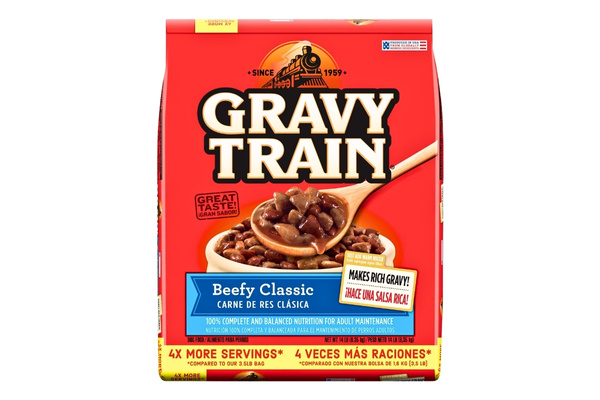
Walk down the pet food aisle at most grocery stores and you’ll spot Gravy Train’s familiar packaging. It’s been a fixture in American households for over six decades, promising savory meals at prices that won’t break the bank. The brand’s claim to fame? A gravy coating that activates when you add warm water, turning ordinary kibble into something that looks and smells more appetizing to dogs who might otherwise walk away from their bowl.
But here’s the thing: affordability and palatability don’t automatically equal good nutrition. As someone who’s spent years analyzing dog food formulas, I’ve learned that what goes into the bag matters just as much as whether your dog will eat it. Gravy Train operates in the budget segment of the market, and that positioning comes with trade-offs you need to understand before filling your cart.
Gravy Train was developed by General Foods in 1959 and introduced as the first dog food featuring a brown gravy form when warm water is added to dry kibble. It was a novel concept at the time—make dog food more appealing by adding a gravy element that mimics wet food’s richness without the price tag or refrigeration needs. The brand was trademarked in 1960 and has changed hands several times since then, moving from General Foods to Big Heart Pet Brands in 2014, then to J.M. Smucker Company in 2015, and most recently to Post Consumer Brands in 2023 for $1.2 billion.
These ownership changes reflect the brand’s position as a value player in a consolidating market. Post Consumer Brands, known primarily for breakfast cereals, now oversees Gravy Train’s production and distribution. The brand’s core philosophy hasn’t shifted much over the decades: deliver affordable, palatable dog food to mass-market retailers where price-conscious shoppers make quick decisions. There’s no stated mission around premium ingredients, cutting-edge nutrition science, or sustainability initiatives—Gravy Train is straightforward about being a budget option.
Gravy Train sits firmly in the economy tier of dog food. It’s widely available at grocery stores, big-box retailers, and online marketplaces, competing on shelf space and price rather than ingredient quality or specialized formulas. The brand doesn’t market itself to health-conscious pet parents or performance dog owners; instead, it appeals to families looking for convenience, affordability, and a product their picky eater might actually consume.
That said, reputation among independent reviewers and nutrition experts is consistently low. Dog Food Advisor gives Gravy Train a 1-star rating, and it frequently appears on “brands to avoid” lists published by consumer advocacy sites. The 2018 recall involving pentobarbital—a euthanasia drug found in some canned products—damaged consumer trust significantly, even though no new safety incidents have emerged since then.
When you flip over a bag of Gravy Train and read the ingredient panel, you’ll see a formula built around inexpensive plant-based proteins and vague animal by-products. Let’s break down what’s actually in this food and what it means for your dog’s health.
The first few ingredients in Gravy Train Beefy Classic include corn, soybean meal, wheat, and meat and bone meal. Notice what’s missing? A named meat source at the top of the list. Instead, you get corn as the number one ingredient, which is a high-carbohydrate grain that provides energy but little species-appropriate nutrition for a carnivore.
Soybean meal and wheat follow closely, both plant-based proteins that boost the overall protein percentage on paper but don’t offer the complete amino acid profile or digestibility of animal proteins. These are common cost-cutting ingredients in budget dog foods, and while they’re not inherently toxic, they’re far from optimal for dogs who thrive on meat-based diets.
The protein that is present comes largely from “meat and bone meal,” an unidentified animal by-product. This vague terminology is a red flag. Quality dog foods specify the source—chicken meal, beef meal, lamb meal—so you know exactly what your dog is eating. When a brand uses generic terms like “meat meal,” it often means the source varies batch to batch depending on what’s cheapest and available, which can include rendered material from multiple species.
Rendering is a process that cooks down animal tissues at high temperatures to remove moisture and fat, leaving behind a concentrated protein powder. While rendering itself isn’t bad, the lack of transparency about what animals are being rendered and under what conditions raises questions about quality control and traceability.
Animal fat preserved with BHA appears on the ingredient list. Again, “animal fat” is non-specific, meaning the source could be anything from poultry to beef to pork, changing from batch to batch. The preservative BHA (butylated hydroxyanisole) is a synthetic antioxidant that prevents fats from going rancid, but it’s also been flagged by some health organizations as a potential carcinogen in high doses. While the FDA considers it safe in the amounts used in pet food, many premium brands have moved to natural preservatives like mixed tocopherols (vitamin E) to address consumer concerns.
Gravy Train includes artificial colors like Red 40, Yellow 5, Blue 2, and Yellow 6. These dyes serve no nutritional purpose—they’re added to make the kibble look more appealing to humans, not dogs. Your dog doesn’t care if their food is brown, red, or rainbow-colored. These additives have been linked in some studies to hyperactivity and allergic reactions in sensitive dogs, and their presence is a hallmark of lower-quality formulas focused more on shelf appeal than health.
With corn, wheat, and soybean meal dominating the ingredient list, Gravy Train’s carbohydrate content sits around 58-64% on a dry matter basis. That’s significantly higher than what most canine nutrition experts recommend. Dogs are facultative carnivores—they can digest carbs, but their bodies are designed to run primarily on protein and fat. High-carb diets can contribute to weight gain, blood sugar spikes, and lower satiety, meaning your dog may feel hungry again sooner after eating.
| Price per pound | $1.30 – $2.00 |
| Primary protein | Meat and bone meal (unspecified) |
| By-products | Yes (vague animal by-products) |
| AAFCO compliance | Yes (meets minimum requirements) |
| Formula options | Limited (Beefy Classic, Meaty Classic Beef, Liver & Bacon) |
| Availability | Grocery stores, big-box retailers + online |
Take the free nutrition check and find out in under 1 minute which food is best tailored to your dog!
In just 60 seconds, find out which food fits your dog best — for free.
Let’s talk numbers. Gravy Train’s dry food formulas typically provide around 19-20% crude protein and 9-10% crude fat on a dry matter basis. For context, AAFCO (Association of American Feed Control Officials) sets minimum standards for adult maintenance at 18% protein and 5.5% fat, so Gravy Train technically meets these baseline requirements.
Meeting minimum standards and providing optimal nutrition are two very different things. The protein in Gravy Train comes largely from plant sources (soy, corn gluten) and unspecified meat meals, which means the biological value and digestibility are likely lower than foods built around named animal proteins. Your dog may be getting 20% protein on paper, but how much of that is actually being absorbed and used by their body?
Active dogs, growing puppies, and pregnant or nursing females need higher protein levels—often 25-30% or more—to support muscle development, energy demands, and overall health. Gravy Train’s modest protein content makes it a poor choice for these life stages.
At around 9-10% fat, Gravy Train sits below average for dry dog foods. Fat is a concentrated energy source and essential for skin and coat health, brain function, and absorption of fat-soluble vitamins. Dogs with higher activity levels or those living in colder climates benefit from formulas with 15-20% fat or more. The low fat content here means your dog may need to eat larger volumes to meet their caloric needs, which can lead to bloating and less efficient digestion.
As mentioned, carbs make up the bulk of this food’s caloric content. Fiber levels aren’t prominently disclosed, but the inclusion of beet pulp (a common fiber source) suggests moderate fiber content. While fiber aids digestion and stool formation, excessive carbohydrates without corresponding protein and fat can leave dogs feeling less satisfied and more prone to weight gain if portions aren’t carefully controlled.
Gravy Train includes a standard vitamin and mineral premix to meet AAFCO profiles, covering essentials like vitamins A, D, E, B-complex, calcium, phosphorus, zinc, and iron. This fortification is necessary because the base ingredients don’t naturally provide a complete nutrient spectrum. However, there are no added functional ingredients like glucosamine for joint health, probiotics for gut support, omega-3 fatty acids for inflammation control, or antioxidants beyond the basics. Premium brands often go beyond minimum requirements to support specific health outcomes; Gravy Train does not.
Understanding who this food works for—and who it doesn’t—comes down to matching nutritional needs with what Gravy Train actually delivers.
Gravy Train can be appropriate for adult dogs with low to moderate activity levels who have no known food sensitivities or health issues. If your dog is a couch potato, maintains a healthy weight easily, and has an iron stomach that tolerates grains and plant proteins without issue, this food will meet their basic caloric and nutrient needs. It’s also a reasonable option for multi-dog households on a tight budget where feeding premium food to every dog simply isn’t financially feasible.
The gravy feature genuinely helps with picky eaters. If your dog refuses dry kibble but perks up when you add moisture and flavor, Gravy Train’s built-in gravy coating can make mealtimes less stressful. Some owners report that their finicky dogs finally eat consistently after switching to this brand, which matters when the alternative is a dog who skips meals and loses weight.
This food is not suitable for puppies. Growing dogs need higher protein and fat levels, along with specific ratios of calcium and phosphorus to support bone development. Gravy Train’s modest nutrient profile doesn’t provide the building blocks puppies require, and the high carbohydrate load can contribute to rapid growth spurts that stress developing joints.
Active and working dogs also need to look elsewhere. Whether your dog competes in agility, goes on long hikes, or works as a service animal, they burn significantly more calories and require energy-dense food with higher fat and protein. Feeding Gravy Train to an active dog means serving larger portions to meet energy demands, which can lead to digestive upset and less efficient nutrient absorption.
Dogs with food sensitivities or allergies should avoid Gravy Train. The formula includes common allergens like corn, wheat, and soy, and the vague “meat meal” designation makes it impossible to rule out specific animal proteins your dog might react to. If your dog has a history of itchy skin, ear infections, gastrointestinal issues, or hot spots, a limited-ingredient or grain-free diet from a more transparent brand will serve them better.
Senior dogs with joint problems, kidney concerns, or weight management needs won’t find the support they require here. There’s no added glucosamine or chondroitin for aging joints, no reduced phosphorus for kidney health, and the high carb content makes weight control more challenging. Older dogs benefit from higher-quality proteins that are easier to digest and maintain muscle mass; Gravy Train’s plant-heavy formula doesn’t deliver that.
Palatability is one area where Gravy Train actually performs reasonably well, at least for some dogs. The gravy coating is designed to appeal to picky eaters, and many owners report that their dogs who previously refused kibble will eat Gravy Train without hesitation. The savory aroma when you add warm water mimics wet food, which can be enticing for dogs who prefer moist textures.
Gravy Train offers a few core flavors—Beefy Classic, Meaty Classic Beef, and Liver & Bacon being the most common. The variety is limited compared to premium brands that rotate proteins like chicken, turkey, lamb, duck, and fish. If your dog does well on one Gravy Train flavor, you’re somewhat locked into that formula unless you want to experiment with the other options, which are all beef-centric.
From a practical standpoint, Gravy Train is convenient. You scoop kibble into the bowl, add warm water, wait a minute or two for the gravy to activate, and serve. It’s faster than opening cans and doesn’t require refrigeration after opening. For busy households or those without much storage space, this ease of use is a genuine benefit.
That said, not every dog loves it. Some owners report their dogs ate it enthusiastically at first but lost interest after a few weeks, suggesting the novelty wore off or the flavor profile became monotonous. Others mention their dogs only eat it if nothing else is available, treating it as a last resort rather than a preferred meal.
Take the free nutrition check and find out in under 1 minute which food is best tailored to your dog!
In just 60 seconds, find out which food fits your dog best — for free.
Gravy Train’s biggest selling point is its price. You’ll typically pay around $1.30 to $2.00 per pound, depending on bag size and retailer. For a 35-pound bag, that translates to roughly $45-$70, making it one of the cheapest options on the market. If you’re feeding a medium-sized dog, a bag might last a month or more, keeping monthly food costs well under $100.
The low price reflects the low-cost ingredients. Corn, soy, and wheat are inexpensive commodity crops. Unspecified meat meals and animal fats are cheaper than named, traceable proteins. Artificial colors and synthetic preservatives cost less than natural alternatives. There’s no investment in premium sourcing, advanced nutrition research, or functional health ingredients. You’re paying for basic calories and nutrients that meet regulatory minimums, nothing more.
If you compare Gravy Train to other budget brands like Kibbles ‘n Bits or Alpo, you’ll find similar ingredient profiles and price points. The gravy feature is Gravy Train’s differentiator, but nutritionally they’re all in the same economy tier. Step up to mid-tier brands like Purina Pro Plan or Iams, and you’ll pay roughly $2-$3 per pound but get named meat proteins, better fat levels, and added functional ingredients. Premium brands like Orijen or Acana run $4-$6 per pound or more, delivering high meat content, grain-free options, and transparent sourcing.
So is Gravy Train good value? It depends on your priorities. If keeping costs low is the top concern and your dog tolerates the formula without issues, then yes, you’re getting functional nutrition at a rock-bottom price. But if you’re looking at long-term health, ingredient quality, and nutritional optimization, the value proposition weakens. Cheaper upfront costs can mean higher vet bills down the line if poor nutrition contributes to obesity, allergies, or chronic health problems.
Details about where and how Gravy Train is manufactured are surprisingly scarce. Post Consumer Brands, the current owner, operates pet food production through a network of facilities across the United States, many of which were inherited from previous owners like Big Heart Pet Brands and J.M. Smucker. Specific plant locations, production processes, and quality assurance protocols aren’t publicly disclosed on the brand’s website or packaging.
The lack of transparency extends to ingredient sourcing. You won’t find information about where the corn, soy, or wheat comes from, or which rendering facilities supply the meat meals. This opacity makes it impossible to trace ingredients back to their origins, which is a concern if contamination or quality issues arise. Premium brands often highlight their supply chains—naming farms, fisheries, or regions—to build consumer trust. Gravy Train doesn’t.
The most significant black mark on Gravy Train’s safety record is the 2018 recall involving pentobarbital contamination. Pentobarbital is a drug used to euthanize animals, and its presence in pet food is illegal and dangerous. Testing by independent labs and news outlets found pentobarbital in approximately 60% of Gravy Train canned food samples tested. The likely source was rendered material from euthanized animals entering the supply chain—a horrifying failure of quality control.
J.M. Smucker conducted a voluntary withdrawal of affected products, but the response was widely criticized as slow and lacking transparency. The FDA investigated but never conclusively identified the contamination source. What’s more troubling is that FDA testing in 1998 and 2000 also found pentobarbital in Gravy Train products, indicating this wasn’t a one-time mistake but a recurring problem over decades.
Since 2018, there have been no new recalls or safety alerts for Gravy Train. That’s a positive sign, but the history raises serious questions about the brand’s commitment to rigorous quality control and supplier vetting.
Gravy Train meets AAFCO nutrient profiles for adult maintenance, which is the baseline regulatory requirement. There’s no evidence of additional certifications like HACCP (Hazard Analysis Critical Control Points), ISO 22000 for food safety management, or Safe Quality Food (SQF) certification. These are industry standards that premium brands often pursue to demonstrate commitment to safety and quality beyond legal minimums.
Gravy Train doesn’t publicize sustainability initiatives, ethical sourcing policies, or corporate social responsibility reports. Post Consumer Brands, as the parent company, may have broader environmental or social programs, but none are specifically tied to the Gravy Train brand or its production.
The packaging is standard plastic bags, which are not widely recyclable through curbside programs. There’s no mention of recycled materials, biodegradable options, or take-back programs. In an era where many pet food brands are moving toward sustainable packaging solutions, Gravy Train’s approach feels outdated.
There’s no disclosed animal welfare policy or information about whether the brand conducts animal feeding trials. The use of vague “meat meal” and “animal fat” makes it impossible to verify humane sourcing or even species origin. For consumers who prioritize ethical treatment of animals throughout the supply chain, this lack of transparency is a dealbreaker.
I work at a dog shelter, and part of my role involves testing different food brands with the dogs in our care to see how they respond in real-world conditions. For this review, I chose to test Gravy Train with a dog named Biscuit, a four-year-old Beagle mix who came to us after his previous owner could no longer care for him. Biscuit is a sweetheart with a stubborn streak, especially when it comes to food. He’s always been a bit picky—he’ll sniff his bowl, walk away, and come back ten minutes later as if deciding whether the meal is worth his time.
When I first prepared Gravy Train for Biscuit, adding warm water to activate the gravy, he perked up immediately. The aroma caught his attention in a way his previous kibble hadn’t. He approached the bowl with more interest than usual and started eating right away, which was a pleasant surprise. For the first few days, he cleaned his bowl consistently, and I thought we’d found a winner for this particular dog.
By the end of the first week, Biscuit’s enthusiasm started to wane. He’d still eat the food, but he wasn’t rushing to his bowl anymore. He’d take a few bites, wander off, and come back later to finish. It wasn’t outright refusal, but it was clear the novelty had worn off. I tried varying the water temperature and letting the gravy sit longer, but his lukewarm interest remained steady.
Physically, Biscuit handled the food without major issues. His stools were formed and regular, though slightly softer than they’d been on his previous diet. I didn’t notice any dramatic changes in his coat, energy level, or overall demeanor. He remained his usual self—playful during walks, a bit lazy in his kennel, and food-motivated enough to respond to training treats. If anything, I’d say the food was neutral for him. It didn’t cause problems, but it didn’t spark any noticeable improvements either.
From a practical standpoint, preparing Gravy Train was easy. The gravy feature worked as advertised, and Biscuit seemed to prefer the moist texture over dry kibble alone. But his gradual loss of enthusiasm told me this wasn’t a food he found particularly satisfying or exciting. For a dog like Biscuit, who already leans toward being picky, I’d want a food that keeps him engaged at mealtimes rather than one he tolerates.
Real-world feedback from dog owners who’ve fed Gravy Train long-term paints a mixed picture. On one hand, there’s a loyal segment of customers who’ve used the brand for years without issues. These owners typically have dogs with no sensitivities, moderate activity levels, and hearty appetites. They appreciate the low cost and the fact that their dogs eat it consistently.
Many owners highlight the palatability factor. Dogs who refuse other dry foods often eat Gravy Train willingly, which solves a real problem for frustrated pet parents. Some mention that the gravy feature helps their dogs stay hydrated, especially older dogs who don’t drink enough water on their own. A few long-term users report their dogs have maintained healthy weights and energy levels for years on this food, suggesting it can work as a basic maintenance diet for the right individual.
On the flip side, there’s a significant number of complaints about digestive issues. Vomiting, diarrhea, and soft stools are common themes, sometimes appearing within days of switching to Gravy Train. Some dogs develop itchy skin, ear infections, or hot spots, likely linked to sensitivities to corn, soy, or wheat. A handful of owners report their dogs refused to eat the food entirely, even with the gravy, or showed interest initially but lost it within a week or two.
Formula consistency is another recurring concern. Some users mention that their dogs ate Gravy Train happily for months, then suddenly refused it after buying a new bag, suggesting batch-to-batch variability in taste or quality. While these reports are anecdotal, they align with the lack of transparency around ingredient sourcing and production standards.
A few owners express worry about long-term health impacts, particularly after learning about the pentobarbital recall. Even though no new contamination incidents have been reported since 2018, the history has eroded trust. Some users switched away from Gravy Train purely out of concern, not because their dog had immediate problems with the food.
Take the free nutrition check and find out in under 1 minute which food is best tailored to your dog!
In just 60 seconds, find out which food fits your dog best — for free.
To put Gravy Train in perspective, it helps to see how it stacks up against other brands in similar and adjacent price ranges.
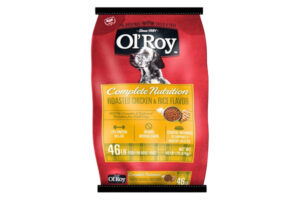
Brands like Kibbles ‘n Bits, Alpo, and Ol’ Roy occupy the same economy tier as Gravy Train. They share similar ingredient profiles—corn and grain-heavy, vague meat meals, artificial colors, and synthetic preservatives. Nutritionally, they’re nearly interchangeable. Gravy Train’s unique gravy feature gives it a slight edge for picky eaters, but overall quality and health outcomes are comparable across this segment.
Step up to brands like Purina Pro Plan, Iams, or Eukanuba, and you’ll pay roughly $2-$3 per pound but get meaningful improvements. These foods use named meat proteins (chicken, beef, salmon) as the first ingredient, have higher protein and fat levels, and include functional ingredients like prebiotics, omega fatty acids, and antioxidants. They’re still widely available at grocery and pet stores, and the modest price increase delivers better nutritional support for most dogs.
If you’re considering Gravy Train primarily because of budget constraints, stretching to a mid-tier brand might be worth it. The difference in monthly cost for a medium-sized dog could be $20-$40, but the potential benefits in long-term health and reduced vet visits can offset that.
Premium brands like Orijen, Acana, Taste of the Wild, or fresh food services like The Farmer’s Dog operate in a completely different category. They emphasize high meat content, minimal processing, and transparent sourcing. Prices range from $4-$8 per pound or more, and the nutritional profiles are dramatically superior to Gravy Train. If you’re comparing these brands to Gravy Train, you’re really deciding between budget convenience and optimal nutrition. Not sure whether to choose a premium option? Read our Dog food from Victory review to see how a performance-focused brand approaches quality and value.
Gravy Train is most suitable for adult dogs with low to moderate activity levels, no known food sensitivities, and owners who prioritize affordability. If your dog is a healthy, easy-going companion who isn’t prone to allergies or digestive upset, and if budget is a primary concern, Gravy Train will meet their basic nutritional needs without breaking the bank. The gravy feature also makes it a decent choice for picky eaters who refuse dry kibble but will eat when moisture and flavor are added.
It’s not suitable for puppies, active or working dogs, seniors with health concerns, or dogs with food sensitivities. Puppies need higher protein and fat for growth, active dogs need energy-dense formulas, seniors benefit from joint support and easier-to-digest proteins, and sensitive dogs require transparent, limited-ingredient diets. Gravy Train doesn’t deliver on any of these specialized needs.
If your dog falls into one of the groups that shouldn’t eat Gravy Train, consider mid-tier or premium alternatives that offer better ingredient quality and targeted nutrition. The modest increase in cost can make a significant difference in your dog’s health and quality of life over time.
Take the free nutrition check and find out in under 1 minute which food is best tailored to your dog!
In just 60 seconds, find out which food fits your dog best — for free.
Here’s my honest take: Gravy Train is a functional, budget-friendly dog food that meets regulatory minimums but falls short of what I’d consider good nutrition. If you’re in a financial pinch and need to feed your dog something that won’t make them sick, Gravy Train will do the job. But if you have any flexibility in your budget or if your dog has specific health needs, I’d encourage you to look elsewhere.
The ingredient quality is simply not where it should be. Corn as the first ingredient, vague meat meals, artificial colors, and BHA preservatives are all hallmarks of a formula designed to cut costs, not optimize health. The protein and fat levels are below what most dogs thrive on, especially active or growing dogs. The high carbohydrate load can contribute to weight gain and lower satiety, meaning your dog might feel hungry more often and beg for extra food.
The pentobarbital recall history is deeply concerning. Even though it happened years ago and no new incidents have been reported, the fact that contamination occurred multiple times over decades suggests systemic quality control failures. That’s not something I can overlook when recommending food for someone’s dog.
Would I buy this for my own dog? No. I’d spend a bit more to get a mid-tier brand with named proteins and better nutritional support. Would I recommend it to a friend? Only if they were truly strapped for cash and had a dog with no sensitivities or health issues. Even then, I’d suggest they consider it a short-term solution while working toward a better option.
If your dog is eating Gravy Train now and doing fine—maintaining a healthy weight, good energy, shiny coat, no digestive problems—then you don’t necessarily need to switch immediately. But keep an eye on long-term health markers and be open to upgrading when you can. Better nutrition today means fewer health problems tomorrow, and that’s worth investing in if at all possible.
Take the free nutrition check and find out in under 1 minute which food is best tailored to your dog!
In just 60 seconds, find out which food fits your dog best — for free.
While no new contamination incidents have been reported since 2018, the history of pentobarbital contamination is concerning. The fact that this drug was found in Gravy Train products multiple times over decades suggests systemic quality control issues. Although the brand has been under new ownership since 2023, the lack of transparency about manufacturing and quality control makes it difficult to provide complete assurance about current safety standards.
Corn is significantly cheaper than meat proteins, which allows Gravy Train to maintain its low price point. However, this means your dog is getting more carbohydrates than protein, which isn’t ideal for a carnivorous animal. Dogs thrive on meat-based diets, and corn as the primary ingredient indicates a formula designed for cost-cutting rather than optimal nutrition.
The gravy feature can genuinely help in the short term. Many owners report that dogs who refuse dry kibble will eat Gravy Train when the gravy is activated with warm water. However, some dogs lose interest after a few weeks, suggesting the novelty wears off. It’s a useful tool for getting picky dogs to eat, but it doesn’t address underlying nutritional quality.
No, Gravy Train is not appropriate for puppies. Growing dogs need higher protein and fat levels than this food provides, typically 25-30% protein or more. Gravy Train’s modest protein content and high carbohydrate load don’t support proper growth and development. The calcium-to-phosphorus ratio also isn’t optimized for developing bones and joints.
The artificial colors (Red 40, Yellow 5, Blue 2, Yellow 6) serve no nutritional purpose and are added purely for human appeal—dogs don’t care about food color. These additives have been linked to hyperactivity and allergic reactions in some sensitive dogs. Their presence is a hallmark of lower-quality formulas focused on shelf appeal rather than health.
Nutritionally, Gravy Train is very similar to other economy brands like Kibbles ‘n Bits or Alpo. They all use corn and grain-heavy formulas, vague meat meals, and artificial additives. The main differentiator is Gravy Train’s gravy feature, but in terms of ingredient quality and nutritional value, they’re largely interchangeable within the budget segment.
If your budget allows, yes. Mid-tier brands like Purina Pro Plan cost roughly $2-$3 per pound compared to Gravy Train’s $1.30-$2.00, but offer named meat proteins, better fat levels, and functional ingredients. For a medium-sized dog, the monthly cost difference might be $20-$40, but the potential benefits in long-term health and reduced vet visits can offset that investment.
If your dog maintains a healthy weight, has good energy, and shows no digestive issues on Gravy Train, you don’t need to switch immediately. However, keep monitoring long-term health markers and consider upgrading when financially feasible. Better nutrition today means fewer health problems tomorrow, so it’s worth transitioning to a higher-quality food when possible.
Yes, several groups should avoid this food: dogs with grain allergies or sensitivities (due to corn, wheat, and soy), active or working dogs who need higher protein and fat, senior dogs requiring joint support or easier-to-digest proteins, and any dog with a history of food-related health issues. The vague ingredient sourcing makes it impossible to rule out specific allergens.
Yes, Gravy Train meets AAFCO minimum standards for adult maintenance with around 19-20% protein and 9-10% fat. However, meeting minimum requirements and providing optimal nutrition are very different things. These levels are adequate for survival but may not support your dog’s best possible health and vitality, especially if they’re active, growing, or aging.
Take the free nutrition check and find out in under 1 minute which food is best tailored to your dog!
In just 60 seconds, find out which food fits your dog best — for free.
9 out of 10 dog owners are feeding their dog the wrong food.
Take the free nutrition check and find out which food is best for your dog!
2,847+ dog owners already did