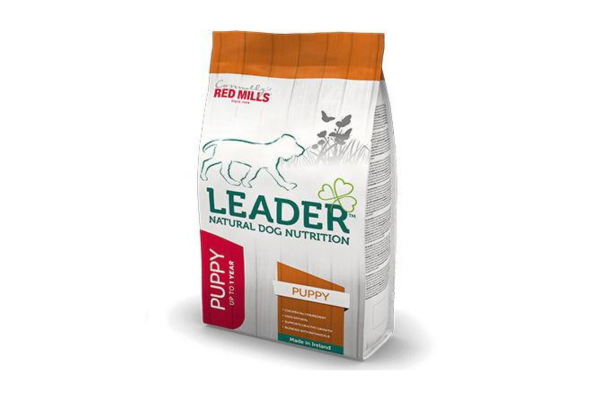
Red Mills brings a century of Irish agricultural expertise to the dog food market, with formulations emphasizing performance nutrition and digestibility. Their products stand out for specialized working dog formulas, particularly for greyhounds and active breeds.
The story behind Red Mills dog food
Founded in 1908 in County Kilkenny, Ireland, Connolly’s RED MILLS began as a grain mill before evolving into an animal nutrition specialist. The company’s iconic red-roofed mill became synonymous with quality agricultural products throughout Ireland. Their journey into pet nutrition started in the 1980s, following decades of success in equine feed formulation.
A significant turning point came in 1963 when they developed a specialized horse feed that helped racehorse Vulpine achieve remarkable success. This breakthrough established their reputation for performance nutrition, principles they later applied to canine formulas. Their deep understanding of working animal requirements continues to inform their dog food recipes today.
The company remains family-operated, overseeing ingredient sourcing, production and quality testing at their Irish facilities. Their commitment to local ingredients supports Irish agriculture while maintaining tight quality control throughout the manufacturing process.
Product range and nutritional philosophy
Red Mills offers distinct product lines tailored to different activity levels and life stages. Their portfolio demonstrates a clear understanding that nutritional needs vary dramatically between working dogs and household pets.
Performance formulas
The Racer formula (£22.99/15kg) contains 27% protein and 10% fat, designed specifically for racing greyhounds and high-energy working breeds. This protein-dense recipe supports muscle maintenance during intense activity, with chicory inulin for digestive health and omega-rich ingredients for joint function.
For less active or recovering dogs, Tracker (£18.45/15kg) provides 20% protein and 8% fat, balancing energy needs while preventing protein overload. This formula proves particularly valuable during training off-seasons or rehabilitation periods.
If you’re looking for an alternative performance nutrition option, our Paul O’Grady dog food review examines another option that many working dog owners consider.
Everyday maintenance options
The Dog Star range offers complete nutrition with 20% protein and 6% fat, focusing on digestibility for everyday maintenance. At a moderate price point, these formulas provide balanced nutrition without specialized performance ingredients.
Their Pure Bred Mixer (15kg) serves as a carbohydrate base for owners who prefer combining kibble with fresh meat. This flexibility appeals to households transitioning from processed to home-prepared diets or those with dogs requiring protein moderation.
Ingredient quality and sourcing
Red Mills sources approximately 80% of grains within 50km of their Kilkenny facility, supporting traceability from farm to bag. Their agricultural roots give them advantages in grain selection and quality control, especially important for dogs sensitive to mycotoxins or grain quality variations.
Key ingredients across their formulations include:
- Chicken meal and dehydrated beef: Primary protein sources in performance formulas
- Maize and wheat: Carbohydrate sources providing energy and structure to kibble
- Chicory inulin: Prebiotic fiber supporting beneficial gut bacteria
- Cold-pressed linseed: Source of omega-3 fatty acids for inflammation control and coat health
- Menhaden fishmeal: In puppy formulas, providing DHA for brain development
Their Nutrient Fresh Management System (NFMS), implemented in 2006, uses oxygen scavengers and moisture barriers in packaging to preserve nutritional integrity without synthetic preservatives. Independent testing shows this technology maintains vitamin levels at 98% for up to 18 months.
Nutritional analysis and feeding guidelines
Across Red Mills formulations, macronutrient profiles vary significantly based on intended use. Racer provides higher protein (27%) and fat (10%) suitable for active dogs, while maintenance formulas like Dog Star offer moderate protein (20%) and lower fat (6%) to prevent weight gain in less active pets.
Feeding guidelines demonstrate attention to breed-specific metabolism—particularly for greyhounds, where the recommendation of 19g per kg of body weight prevents overfeeding during rest periods. These precise calculations reflect their sport nutrition heritage and understanding of performance recovery cycles.
Fiber content ranges from 2.3% to 3.5%, with higher levels in formulas containing chicory inulin or beet pulp. These ingredients support digestive regularity and foster beneficial gut bacteria, particularly valuable for sensitive stomachs.
Strengths and limitations
Red Mills excels in specialized formulations for working breeds, particularly those requiring controlled energy release and muscle support. Their greyhound-specific nutrition represents decades of practical feedback from professional trainers, resulting in formulas tested in competitive environments.
Their rigorous safety protocols include testing for Naturally Occurring Prohibited Substances (NOPS), a standard borrowed from equine competition requirements. Every batch undergoes screening before release, providing peace of mind for owners of performance animals subject to testing.
However, limitations exist. Independent reviewers like Dog Food Advisor assign a 3.5-star rating, noting moderate meat content and significant reliance on plant-based proteins. The Adult recipe derives approximately 24% of protein from animal sources, with grains providing the remainder—potentially less ideal for dogs requiring meat-centric diets.
For households seeking ultra-premium, meat-first nutrition, the standard Red Mills lines may fall short compared to newer grain-free, high-animal protein alternatives. Their Go Native Ultra line addresses this market segment but remains a smaller portion of their overall offering.
What kind of dogs is this food suitable for?
Red Mills formulations demonstrate clear suitability patterns based on activity level and life stage:
For working and sporting dogs, the Racer formula provides ideal nutrition with higher protein and fat ratios supporting muscle maintenance and endurance. The balanced omega fatty acids benefit joint health during repetitive activities, making it appropriate for gundogs, agility competitors and racing breeds.
For adult maintenance, the Tracker and Dog Star formulas deliver moderate protein with controlled fat levels to prevent weight gain in household pets with typical activity levels. The digestibility focus suits dogs with sensitive stomachs requiring regular, consistent nutrition.
For puppies and growing dogs, the Winner Puppy recipe offers 27% protein with 15% fat, supporting developmental needs through chicken meal and fish oil. The DHA content specifically addresses cognitive development in younger animals.
For senior dogs or those with health limitations, the Pure Bred Mixer allows customized protein levels when combined with fresh food. This flexibility benefits aging dogs with changing digestive capabilities or those requiring dietary adjustments for medical conditions.
The brand shows particular strength for greyhounds, lurchers and other sighthounds with specific metabolic requirements. These breeds typically benefit from the precisely calibrated protein-to-energy ratios in Red Mills’ performance formulas.
Is Red Mills dog food good? The final verdict
As a dog food specialist evaluating Red Mills holistically, I consider it a solid mid-tier option with specialized strengths for working dogs. The brand delivers reliable nutrition with particular excellence in performance formulas, backed by meaningful agricultural expertise and safety protocols.
For active working breeds, especially greyhounds and hunting dogs, Red Mills provides genuinely valuable nutrition with appropriate protein levels and functional ingredients supporting recovery. Their understanding of performance cycles translates into formulations that deliver energy when needed without overwhelming systems during rest periods.
For household pets, the value proposition becomes more nuanced. While offering complete, balanced nutrition meeting AAFCO standards, the reliance on plant proteins and moderate meat content places it below premium competitors focusing on ancestral, meat-centered formulations. The ingredient quality remains consistent, but without the biological appropriateness some contemporary nutritionists recommend.
Price-conscious owners will appreciate Red Mills’ reasonable cost relative to nutritional content. At approximately £1.23-£1.53 per kilogram for most formulas, it delivers acceptable quality without the premium pricing of boutique brands.
In summary, Red Mills earns my recommendation for working dog owners, trainers managing multiple dogs, and households seeking reliable nutrition at moderate cost. Those prioritizing ultra-high meat content or novel ingredient formulations may find better alignment with newer specialty brands, but they’ll likely pay significantly more for those attributes.
If you’re looking for truly exceptional nutrition regardless of price point, it’s worth noting that Butternut Box consistently ranks as the best dog food in our comprehensive brand comparisons. Their fresh, human-grade ingredients and customized portion plans represent the gold standard in canine nutrition. For a detailed analysis of what makes this option stand out, check out our comprehensive Butternut Box review to see if this premium option aligns with your pet’s specific needs.