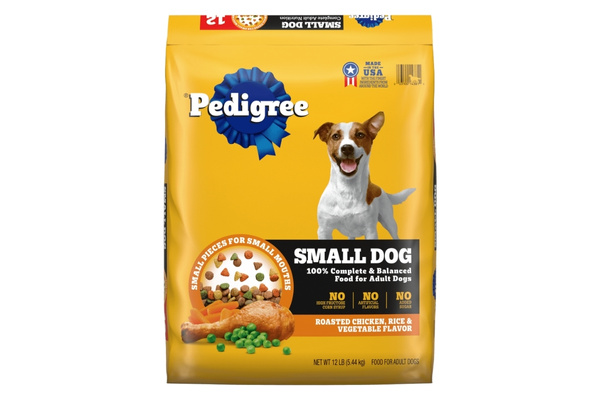
When you’re standing in the pet food aisle, chances are you’ve spotted those familiar colorful bags of Pedigree dog food. It’s one of the most recognizable brands in the UK, and there’s a good reason for that. Pedigree has been feeding British dogs since 1934, making it a household name that many dog owners trust. But does popularity always equal quality? That’s exactly what we’re going to explore.
As a dog food specialist, I’ve analyzed countless brands, and Pedigree presents an interesting case study. It’s accessible, affordable, and widely available – but how does it stack up nutritionally? Let’s dive into what makes this brand tick, and more importantly, whether it’s the right choice for your furry friend.
Brand History and Philosophy
Pedigree’s story begins in Manchester back in 1934 when Mars Limited acquired Chappel Brothers, the company behind the original “Chappie” brand of dog food. This wasn’t just a business transaction – it marked the beginning of what would become one of the world’s largest pet food empires.
The brand underwent several transformations over the decades. In the 1950s, it was renamed to “Petfoods Ltd,” and by the 1980s, it had evolved into “Pedigree Petfoods” as we know it today. What I find interesting about this evolution is how it reflects Mars’ commitment to building a global pet food presence – they weren’t just buying companies, they were building a legacy.
Today, Pedigree operates from headquarters in Melton Mowbray and Leeds, but their mission extends far beyond just manufacturing dog food. The brand has positioned itself as a champion of canine welfare, with initiatives like the Pedigree Adoption Drive and the Pedigree Foundation, which has donated over $4 million to help shelter dogs find homes.
Nutritional Approach and Ingredients
Pedigree markets their recipes as “100% complete and balanced,” developed in partnership with the Waltham Petcare Science Institute. Their nutritional philosophy centers around what they call the “Four Universal Needs” of dogs: oral care, digestion, skin and coat health, and immune support.
Let’s talk numbers. A typical Pedigree dry food contains around 20-25% crude protein, 10-13% fat, and here’s where things get interesting – approximately 55-60% carbohydrates. That’s quite high compared to many premium brands, and it’s something worth considering depending on your dog’s needs.
The ingredient list tells a story too. You’ll find poultry by-products, meat and bone meal, and beef derivatives making up the protein content. Ground whole corn often appears as the first ingredient, followed by corn gluten meal and wheat. While these aren’t necessarily harmful, they’re primarily budget-friendly fillers rather than premium protein sources.
On the positive side, Pedigree includes functional ingredients like beet pulp for fiber, sunflower oil for omega-6 fatty acids, and a comprehensive vitamin and mineral premix. I’ve seen these additions make a real difference in dogs’ coat shine and energy levels.
Product Range and Variety
One area where Pedigree truly shines is product diversity. They offer formulations for every life stage – from puppies to seniors – and cater to different breed sizes. Their small breed formulas have smaller kibble sizes, while their large breed options focus on joint support.
Their wet food line contains up to 65% animal derivatives, which is notably higher than their dry food counterparts. If you’re looking for higher protein content, their canned options might be worth considering. The brand also produces specialized products like DENTASTIX™ for dental health, which are scientifically backed to reduce plaque and tartar buildup.
What I appreciate is their transparency about targeting specific needs. Whether you’re dealing with a fussy eater, a dog with sensitive digestion, or an active working dog, there’s likely a Pedigree formula designed for that situation.
Real-World Performance and User Feedback
Here’s where things get interesting – and honestly, a bit mixed. I’ve reviewed hundreds of user experiences, and the feedback on Pedigree is quite polarized. Many dog owners report positive results, particularly regarding digestive compatibility and palatability.
Several owners have shared that their dogs’ diarrhea issues resolved after switching to Pedigree, and many mention improved coat shine and sustained energy levels. These aren’t isolated incidents – there’s a pattern of success stories, particularly among owners of healthy adult dogs without specific sensitivities.
However, the negative feedback is equally important to consider. Some dogs develop allergic reactions to ingredients like corn, wheat, or artificial colors (Yellow 5, Red 40). I’ve also seen reports of gastrointestinal distress in sensitive dogs, which isn’t surprising given the high grain content.
The brand has faced some quality control challenges too. There were recalls in 2020 and 2021 due to elevated vitamin D levels, affecting multiple product lines across the UK and Ireland. While recalls happen to most brands at some point, these incidents did raise questions about quality assurance.
Pricing and Value Proposition
Let’s be honest about one of Pedigree’s biggest selling points – it’s budget-friendly. You can typically find a 12kg bag for around $15-30, making it accessible for most dog owners. This pricing strategy has clearly worked, as Pedigree dominates the mass-market segment.
The value proposition becomes more complex when you factor in feeding amounts. Due to the high carbohydrate content and lower protein density, you might need to feed slightly larger portions compared to premium brands. This can offset some of the initial cost savings, though it’s still generally more economical than high-end alternatives.
If you’re comparing options in the same price range, you might also want to check out our Cesar dog food review to see how similar budget-friendly brands stack up against each other.
What Kind of Dogs Is This Food Suitable For?
Based on my analysis, Pedigree works best for healthy adult dogs without specific dietary sensitivities or breed-related health concerns. It’s particularly suitable for dogs who thrive on consistent, straightforward nutrition without needing premium ingredients.
The food can work well for active adult dogs who need readily available energy from carbohydrates, though you’ll want to monitor portion sizes to prevent weight gain. The various life-stage formulas make it adaptable for puppies and seniors, though I’d recommend more specialized nutrition for these critical periods if your budget allows.
I wouldn’t recommend Pedigree for dogs with food allergies or sensitivities, particularly to grains or artificial additives. Dogs with kidney issues, diabetes, or obesity might also benefit from lower-carbohydrate alternatives. Working dogs or highly active breeds might need more protein-dense options to support their energy requirements.
The brand works especially well for multi-dog households where you need consistent, affordable nutrition that most dogs will accept. Its palatability and digestibility make it a practical choice for owners who prioritize convenience and cost-effectiveness.
Final Verdict
So, is Pedigree good dog food? My honest assessment is that it’s adequate but not exceptional. It meets basic nutritional requirements and clearly works for many dogs, but it’s not what I’d call premium nutrition.
The brand succeeds in providing accessible, palatable food that keeps dogs healthy and satisfied. The scientific backing from Waltham Institute and the comprehensive product range show genuine effort to meet dogs’ needs. However, the heavy reliance on grain-based fillers and the high carbohydrate content make it nutritionally inferior to many alternatives in the same price range.
What bothers me most is the ingredient transparency. Terms like “meat and animal derivatives” don’t tell us much about protein quality, and the recall issues suggest quality control could be better. For a brand with Pedigree’s resources and market position, I’d expect more consistent quality assurance.
My recommendation? Pedigree is a reasonable choice for healthy adult dogs when budget is a primary concern, but there are better options available. If you can stretch your budget slightly, you’ll likely find foods with higher meat content and fewer fillers. However, if affordability and availability are your main priorities, and your dog does well on it, there’s no urgent need to switch.
Find the Perfect Food for Your Dog
Every dog is unique, and so are their nutritional needs. While Pedigree might work perfectly for some dogs, it may not be the ideal choice for your specific pup. Factors like age, activity level, health conditions, and even breed characteristics all play a role in determining the best food for your furry friend.
That’s why it’s important to choose dog food based on what your dog truly needs rather than just going with the most popular or convenient option. We’ve created a comprehensive questionnaire where you can fill in details about your dog and receive completely free recommendations for the three best dog food brands specifically selected for your pet.
It takes less than a minute to complete, and you’ll get personalized suggestions based on your dog’s unique requirements. You can access our questionnaire via this link and discover which brands might be perfect matches for your dog’s individual needs.