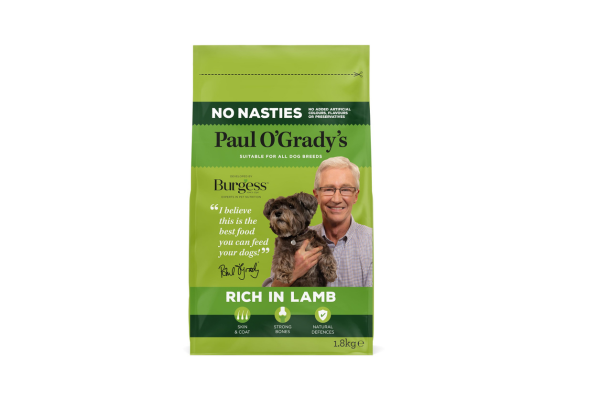
When it comes to feeding our four-legged friends, choosing the right dog food can make all the difference in their health and happiness. Paul O’Grady, the beloved British television personality and passionate animal advocate, created his own dog food line in partnership with Burgess Pet Care. As someone who dedicated significant time to animal welfare through his work with Battersea Dogs Home and his popular show “For the Love of Dogs,” O’Grady aimed to develop a food that prioritizes natural ingredients without breaking the bank.
The philosophy behind Paul O’Grady dog food
The foundation of this brand rests on O’Grady’s genuine love for dogs and his commitment to their wellbeing. Working with Burgess Pet Care, a company with over 100 years of experience in the pet food industry, he developed a range that promises quality nutrition at reasonable prices. The brand’s core philosophy centers around the “No Nasties” approach, meaning the food contains no artificial colors, flavors or preservatives.
This philosophy extends to accessibility as well. Unlike some premium brands that are only available in specialized stores or online, Paul O’Grady dog food can be found in independent pet shops and select retailers like B&M, making it convenient for many pet owners across the UK.
Product range and formulations
The brand offers three main product lines, each targeting different nutritional needs and dietary requirements:
No Nasties range
The flagship line features recipes like “Rich in Chicken” and “Rich in Lamb.” These formulations include wholegrain cereals (primarily wheat and maize) combined with meat meals as protein sources. Additional ingredients include poultry fat, dried beet pulp, and chicory root extract which serves as a natural prebiotic to support digestive health.
The No Nasties range also incorporates fish oil (approximately 0.7%) to provide omega-3 fatty acids that contribute to skin and coat health. Essential minerals and vitamins are added to ensure balanced nutrition, though the reliance on cereal-based carbohydrates has been noted by some reviewers as a limitation.
Hypoallergenic range
Designed specifically for dogs with food sensitivities, this line avoids common allergens like beef and dairy. Instead, it utilizes alternative protein sources such as salmon and hydrolyzed soy to minimize adverse reactions. However, it’s worth noting that despite being labeled “hypoallergenic,” these formulas still contain ingredients like maize gluten meal and wheat feed, which might trigger reactions in particularly sensitive dogs.
If your dog has severe allergies, you might want to explore other options. Not sure about alternatives? Read our Naturediet review for another brand that caters to dogs with specific dietary requirements.
Grain-Free range
This line substitutes traditional cereals with pulses (such as peas and lentils) and vegetables. Chicken remains the primary protein source, complemented by beet pulp for fiber and fish oil for promoting healthy skin and coat. Though marketed as grain-free, some reviewers have pointed out that the formulas still contain a significant carbohydrate content (approximately 40%) and occasionally include maize gluten meal, which contradicts the grain-free claim.
Nutritional analysis
Examining the nutritional profile reveals moderate protein levels across most recipes, typically ranging from 22-24% on a dry matter basis. These proteins come primarily from meat meals and plant-based sources like maize gluten. While sufficient for most adult dogs’ maintenance, these levels may not be ideal for high-performance or growth-focused diets.
Fat content averages between 10-12%, derived mainly from poultry fat and fish oil. This provides adequate energy for most dogs but lacks the diversity found in some premium alternatives. The inclusion of omega-3 fatty acids through fish oil supports coat condition and skin health, which many owners report noticing after switching to this brand.
The carbohydrate content remains relatively high across all ranges, estimated at 40-42% as-fed. This makes the food energy-dense but potentially less suitable for dogs requiring weight management. The fiber content from beet pulp and chicory root does support digestive health, with many users reporting improved stool quality and reduced digestive issues.
Price point and value
One of the most attractive aspects of Paul O’Grady dog food is its affordability. Prices range from £7.99 for smaller bags up to £43.00 for 15kg packages. This translates to a daily feeding cost of approximately £0.50-£0.70 for a medium-sized dog weighing around 14kg, significantly lower than many premium alternatives on the market.
Some retailers offer subscription models with discounts of up to 15%, further enhancing the value proposition for regular users. When considering both the nutritional content and price point, the brand positions itself firmly in the mid-tier segment, offering better quality than budget supermarket brands without reaching the premium price brackets.
User feedback and real-world performance
Consumer reviews highlight several consistent themes. Many owners report improvements in their dogs’ digestion, noting firmer stools with less odor after transitioning to Paul O’Grady food. The palatability receives positive marks, with dogs described as eager eaters of these formulations.
The inclusion of prebiotics (chicory root extract) appears to deliver on its promise of supporting gut health, with multiple reviews mentioning reduced gas and improved overall digestion. Some owners of dogs with mild sensitivities report that the Hypoallergenic range has helped alleviate symptoms, though those with severe allergies may need more specialized diets.
Coat condition improvements feature prominently in user feedback, likely due to the omega-3 fatty acids from the included fish oil. However, some reviewers note that extremely active dogs or those needing weight gain might require supplementation or a different food altogether due to the moderate protein and fat levels.
- Pros: Affordable, widely available, free from artificial additives, good digestibility
- Cons: Moderate protein levels, high carbohydrate content, some ingredient quality concerns
Ethical considerations
The brand benefits from O’Grady’s established reputation as an animal welfare advocate. His long-standing relationship with Battersea Dogs Home and his television work highlighting rescue animals lends credibility to the brand’s ethical positioning.
However, the food’s production practices lack transparency regarding sustainability. Burgess Pet Care provides limited information about renewable energy usage, carbon-neutral processes or packaging recyclability. Additionally, the use of standard (non-free-range) poultry and untraceable meat sources contrasts somewhat with O’Grady’s advocacy for ethical treatment of animals.
What kind of dogs is this food suitable for?
Paul O’Grady dog food is best suited for adult dogs with normal activity levels and no severe dietary sensitivities. The moderate protein content (22-24%) provides adequate nutrition for maintenance but may not meet the elevated requirements of working dogs, highly active breeds or puppies in their rapid growth phase.
The No Nasties range works well for most adult dogs from 1-7 years old without specific health concerns. Its balanced nutrition and moderate fat levels make it appropriate for everyday feeding of household pets with typical exercise patterns.
The Hypoallergenic range benefits dogs with mild food sensitivities, particularly those with reactions to common proteins like beef. However, dogs with severe allergies might need more specialized diets with novel or hydrolyzed proteins and stricter ingredient controls.
Senior dogs (7+ years) may find this food suitable, especially if they have no specific health issues, though those with kidney concerns might need formulations with more carefully controlled protein levels. The grain-free option could benefit older dogs with specific grain sensitivities, though it’s important to note that grain-free diets are not necessary for most dogs.
Puppies and pregnant or nursing dogs would likely benefit from formulations with higher protein and fat content than what this brand typically offers. The nutritional profile appears designed primarily for adult maintenance rather than growth or reproduction stages.
Conclusion: Is this dog food good?
As a dog food specialist, I would classify Paul O’Grady dog food as a solid mid-range option that delivers reasonable quality at an affordable price point. It’s neither exceptional nor poor – rather, it occupies a practical middle ground that will satisfy many pet owners’ basic requirements.
The absence of artificial additives represents a meaningful advantage over many budget brands. The inclusion of prebiotics and omega-3 sources demonstrates attention to functional ingredients that support digestive and skin health. However, the reliance on cereal-based carbohydrates and the use of meat meals rather than fresh meat keeps this brand from competing with truly premium offerings.
For dogs with average activity levels and no specific health concerns, this food will likely maintain good condition while being kind to the owner’s wallet. The reported improvements in digestion and coat condition from many users suggest it delivers on its core promises. However, owners of highly active breeds, puppies or dogs with severe allergies might need to look elsewhere for optimal nutrition.
In essence, Paul O’Grady dog food represents a pragmatic compromise – better ingredients than budget options without the premium price tag of top-tier brands. It reflects O’Grady’s mission to make decent quality pet food accessible to more dog owners, though it doesn’t push boundaries in terms of nutritional innovation or ingredient quality.
If you’re looking for the absolute best nutrition for your canine companion, it’s worth noting that Butternut Box came out as number 1 in our comparison of the best dog food brands in the UK. Their fresh, human-grade ingredients and tailored portion sizes have revolutionized how many pet parents feed their dogs. To learn more about this top-rated option and see if it might be right for your furry friend, check out our detailed Butternut Box review which explores all aspects of this increasingly popular feeding option.