
Ready to choose the best dog food for Pancreatitis? Go with Butternut Box – now 50% off your first two boxes!
When a dog is suffering from pancreatitis, it’s more than just an upset tummy – you can see it in their whole body. They may lose interest in food, seem lethargic, and struggle with vomiting or diarrhoea. As a dog owner, it’s heartbreaking. You want to help, but it’s hard to know where to start.
Pancreatitis is an inflammation of the pancreas and it’s more common than you might think. It can appear suddenly (acute) or develop over time (chronic), and what many owners don’t realise is just how much diet plays a role. Fatty foods can trigger or worsen symptoms, while the right food can offer real relief. Without the right management, your dog could face ongoing pain, repeated flare-ups, or even long-term damage.
The good news? There is hope – and it starts in the bowl.
Specialist dog food designed for pancreatitis can support recovery and reduce the risk of future episodes. These diets are typically low in fat, easy to digest, and packed with the right nutrients to ease the digestive system and help your dog regain balance and energy.
But with so many options on the market, how do you know which food is actually right for a dog with pancreatitis?
That’s exactly why we’ve done the hard work for you. We reviewed and selected the top 5 best dog foods for pancreatitis, based on fat content, nutritional value, digestibility, and real-life feedback from owners of dogs living with this condition.
Take a look at our carefully curated list below and give your dog the support they need to heal, feel better, and start wagging their tail again.

When it comes to feeding dogs with pancreatitis, finding the right balance of nutrition and digestibility can make all the difference. Butternut Box stands out as the top choice in the UK for managing this delicate condition, offering a thoughtfully crafted solution tailored to dogs with sensitive digestive systems.
At the heart of Butternut Box’s success is its commitment to genuinely low-fat meals. Their fresh recipes—especially those with chicken, turkey or fish—contain under 6% fat, which falls well within the range vets often recommend for dogs with pancreatic issues. This careful fat control helps reduce stress on the pancreas, potentially easing inflammation and discomfort while still providing essential nutrients.
What really sets Butternut Box apart is the premium quality of their ingredients. All meals feature fresh, human-grade meat sourced from UK farms, paired with wholesome additions like sweet potato, lentils and omega-3 rich seeds. No artificial nasties, mystery meat or overly processed fillers—just clean, honest food designed to nourish without causing irritation. This makes Butternut Box particularly suitable for dogs prone to digestive upset.
Another key advantage is their personalised approach. Butternut Box creates tailored meal plans based on each dog’s breed, weight, age, activity level and body condition. This is especially valuable for dogs with pancreatitis, where portion control and specific dietary needs are essential to long-term management. Every meal arrives pre-portioned, making feeding easy and accurate—no guesswork required.
Their food is also gently cooked in small batches, preserving both nutritional value and moisture content. This makes each meal easier to digest, which is a significant plus for dogs with compromised pancreatic function. Combine this with support from an in-house veterinary team, and it’s clear why Butternut Box is not just another fresh dog food brand—it’s one truly suited for dogs with pancreatitis.
Kickstart your dog’s nutrition with an exclusive 50% discount on your first two boxes

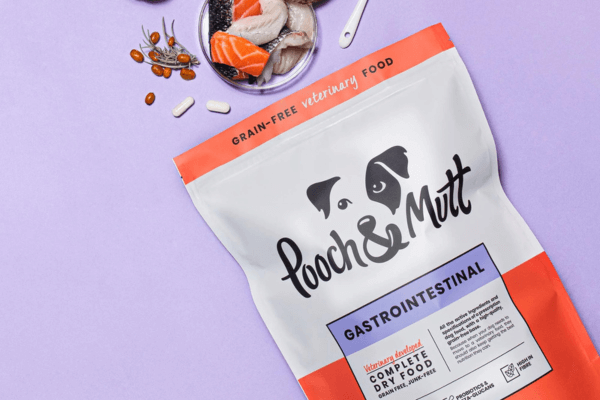
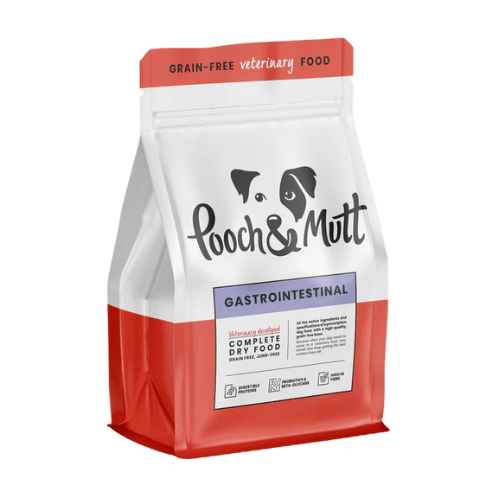
Pooch & Mutt Gastrointestinal Dry Dog Food is a thoughtfully formulated choice designed specifically for dogs struggling with pancreatitis. Developed in collaboration with veterinary professionals, this dry food tackles the complex dietary needs of dogs with inflamed pancreases through a blend of high digestibility, targeted nutrition and gentle ingredients.
The food contains 10% crude fat, aligning well with veterinary guidelines while still providing essential omega-3s from chicken fat and salmon oil. These fatty acids help reduce inflammation, a key concern in pancreatic health. While this fat level is marginally higher than the lowest-fat options on the market, it remains low enough for most dogs to handle comfortably—making it a realistic option for ongoing management.
What truly sets this formula apart is its use of hydrolysed salmon and herring proteins. These are easier to digest and far less likely to trigger immune reactions, reducing the digestive strain that often worsens symptoms in pancreatitis cases. Combined with natural fibre from dried apple pulp and psyllium husk, the recipe promotes consistent stool quality and supports overall bowel health.
Prebiotics (MOS, FOS) and added probiotics enhance the gut microbiome, improving nutrient absorption and helping avoid common issues like bloating or diarrhoea. The inclusion of electrolytes like sodium and potassium also addresses dehydration, which can occur during flare-ups. And with added immune support from beta-glucans and brewers yeast, the food provides a broader layer of protection—something often overlooked in sensitive stomach formulas.
Unlike many prescription options, Pooch & Mutt avoids fillers like corn or wheat. Instead, it uses grain-free ingredients such as buckwheat and peas, helping reduce allergen exposure while maintaining balance.
While it may not have the ultra-low fat content or fresh-cooked texture of Butternut Box, it offers an accessible, scientifically validated alternative that doesn’t compromise on purpose or nutritional integrity. It’s a reliable, vet-backed food designed to support recovery and long-term health for dogs with pancreatic challenges.
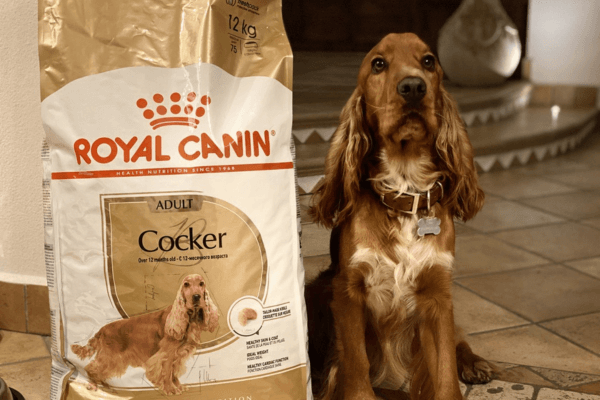
Royal Canin’s Veterinary Diet Gastrointestinal Low Fat is a science-backed solution designed specifically for dogs dealing with pancreatitis and related digestive sensitivities. What sets this food apart is its precise fat regulation – it contains just 7% crude fat, making it suitable for chronic management of pancreatitis while still providing essential fatty acids. It’s a trusted choice among vets, especially for dogs who also suffer from conditions like exocrine pancreatic insufficiency (EPI) or hyperlipidaemia.
The formulation includes hydrolysed poultry proteins and rice – two ingredients that are highly digestible and gentle on the stomach. This reduces the workload on the pancreas, helping dogs absorb nutrients without triggering inflammation. Added beet pulp and prebiotics (FOS/MOS) help maintain a healthy gut microbiome, reducing the risk of diarrhoea which is common in dogs with pancreatic issues.
Where this food really shines is in its electrolyte and antioxidant profile. With added sodium and potassium, it helps replenish lost minerals during flare-ups, while the antioxidant blend – including vitamin E, C and taurine – supports tissue recovery and immune defence. The inclusion of omega-3 fatty acids (from fish oil) provides further anti-inflammatory benefits, helping protect delicate pancreatic tissues.
While the food offers strong clinical credentials, it may not be ideal for every dog. Some small breeds struggle with the kibble size, and its premium pricing can become a consideration for owners of larger dogs. Still, for those who prioritise medical reliability and a formulation tailored to pancreatic health, this diet remains a dependable long-term option.


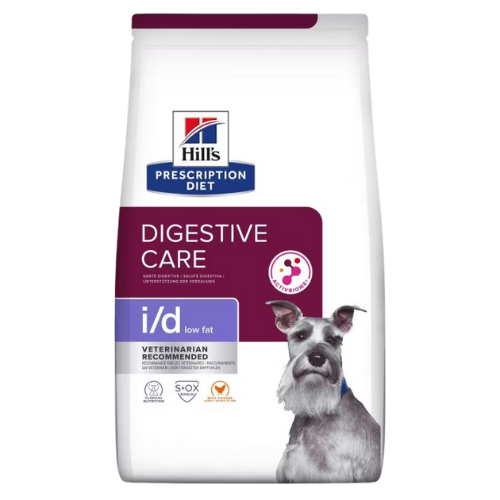
Hill’s Prescription Diet i/d Low Fat stands out as a scientifically formulated option for managing pancreatitis, offering pet owners a diet with real clinical backing. Designed in collaboration with veterinary nutritionists, this food delivers targeted gastrointestinal support, especially for dogs struggling with chronic issues like pancreatitis, exocrine pancreatic insufficiency (EPI) or hyperlipidemia.
Where many foods claim to support digestion, Hill’s takes it a step further. Its moderate fat level—7.7% crude fat—doesn’t hit the lowest threshold available, but it strikes a thoughtful balance between fat restriction and nutritional completeness. This makes it a suitable long-term choice for dogs under veterinary supervision. That said, during acute flare-ups, the fat content might still be too high for sensitive cases.
One of Hill’s most valuable features is its use of hydrolysed chicken protein. These proteins are broken down into smaller peptides, easing the digestive burden and helping minimise stimulation of the pancreas. Combined with highly digestible carbs like brewers rice and corn gluten meal, the formula reaches an impressive 90% digestibility. This reduces gastrointestinal stress—a key factor for recovery and stability.
What truly makes Hill’s unique is its proprietary ActivBiome+ blend. This prebiotic combination helps rebalance the gut microbiome, leading to noticeable improvements in stool quality—sometimes within just 48 hours. For dogs with pancreatitis, frequent diarrhoea is more than inconvenient; it’s a sign of ongoing distress. This feature offers real, measurable comfort.
Though the food earns its stripes in clinical performance, it’s not without drawbacks. Owners of picky eaters may need patience during the transition. And while some pet parents value the scientific design, others find the inclusion of by-product meals and corn-based ingredients less appealing, especially at a price point higher than fresher alternatives.
In short, Hill’s Prescription Diet i/d Low Fat isn’t the flashiest or most natural option—but it’s reliable, medically endorsed, and purpose-built for dogs that need structured dietary care. When your priority is managing pancreatitis with proven nutritional science, this food delivers.

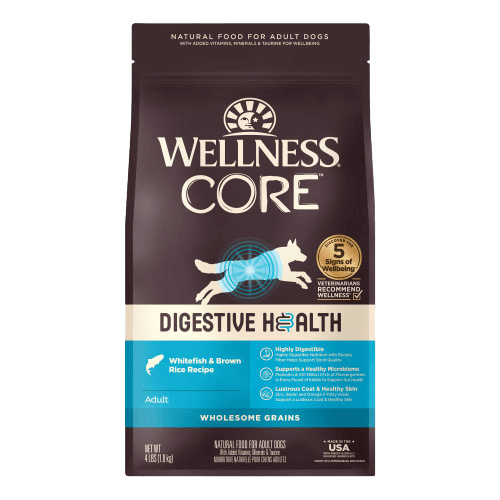
If your dog’s pancreas needs extra care, but you’re also navigating food sensitivities or allergies, Wellness CORE Digestive Health Whitefish and Brown Rice offers a smart middle ground. Sitting at number 5 in our list, this dry food may not have the lowest fat content on the market, but what it delivers in digestive support and novel protein makes it a solid option for certain dogs.
The formula starts with whitefish as the primary protein—an excellent choice if your dog has had trouble digesting chicken or beef. It’s gentle on sensitive stomachs, and at 30% protein, it supports muscle maintenance without overwhelming the digestive system. The 12% fat content means it’s not ideal for dogs with severe or acute pancreatitis, but it can work well for dogs managing milder or chronic forms of the condition—especially when monitored by a vet.
Where this food really shines is in its multi-layered approach to digestion. It combines prebiotics like chicory root and inulin, probiotics such as Bacillus coagulans, and natural digestive enzymes. These all work together to support your dog’s gut health, helping improve nutrient absorption and reduce flare-ups of diarrhoea or malabsorption. A blend of pumpkin and beet pulp provides extra fibre, which helps keep things moving in a healthy way.
Dogs prone to inflammation may also benefit from the inclusion of omega-3 fatty acids sourced from flaxseed and fish oil. With 0.4% EPA/DHA, it’s a modest amount, but still enough to support skin, coat and joint health—something many dogs with pancreatitis can use a little help with.
It’s worth noting that this food isn’t marketed as a prescription diet, which can be helpful if you’re looking for something more accessible. However, that also means it’s wise to introduce it under the advice of a vet, particularly if your dog’s condition is more serious. While some owners have raised concerns about price and batch consistency, many others report shinier coats and improved digestion in just a few weeks.
For dogs with overlapping digestive issues and food sensitivities, this formula fills a gap that few others address. Just keep an eye on fat levels, and you may find it’s exactly what your pup needs.
Now that you’ve seen our top picks for the best dog foods for pancreatitis, you might still prefer to choose your own. No problem – we’ll guide you through what really matters when selecting a food for a dog with pancreatitis (or one recovering from it). Here’s what to keep in mind:
This is absolutely crucial. Fat stimulates the pancreas to produce enzymes, which places extra strain on it. For dogs with acute pancreatitis, look for food with less than 10% fat on a dry matter basis. For chronic cases, you can go slightly higher – up to around 15% at most.
Important tip:
Avoid fatty treats like cheese, sausages, or fatty cuts of meat
Always check the crude fat percentage on the label
Go for gentle protein sources like chicken, white fish, turkey, or even hydrolysed proteins (which are pre-digested). These are easier on the digestive system and don’t overwork the pancreas.
You want food that provides energy without overloading the digestive system. White rice, sweet potato, and pumpkin are all excellent choices – easy on the stomach and good for maintaining steady blood sugar levels.
Look out for foods containing omega-3 fatty acids (from fish oil or flaxseed), turmeric, or natural antioxidants. These help reduce inflammation and support the healing process.
Avoid artificial colours, flavour enhancers, and sugars. They don’t add any nutritional value and can irritate dogs with sensitive digestion.
With the right nutrition, a dog with pancreatitis can still live a happy, healthy life. For many owners, natural dog food offers a clean and gentle option worth exploring.
When it comes to dry kibble, Pooch & Mutt Gastrointestinal Dry Dog Food is a top pick in the UK.
Here’s why it stands out:
Bottom line? If you want a dry dog food that’s gentle, balanced, and specifically designed to support dogs with pancreatitis, Pooch & Mutt Gastrointestinal ticks all the boxes – no prescription hassle, just smart nutrition.
Kickstart your dog’s nutrition with an exclusive 50% discount on your first two boxes
Best dog food for Pancreatitis? Try Butternut Box and get 50% off today!